#Industry News
What Is TPE Material? Properties, Types, And Common Uses
What Is TPE Material?
1. Definition and Structure
Thermoplastic elastomers (TPE), also known as thermoplastic rubbers, are hybrid polymers that combine the elasticity of rubber with the processing advantages of plastics. Unlike traditional elastomers that require vulcanization, TPEs are physically cross-linked and can be repeatedly melted, molded, and remolded. Their dual-phase structure, hard thermoplastic segments and soft elastomeric segments, gives them flexibility, resilience, and recyclability.
2. Manufacturing and Properties
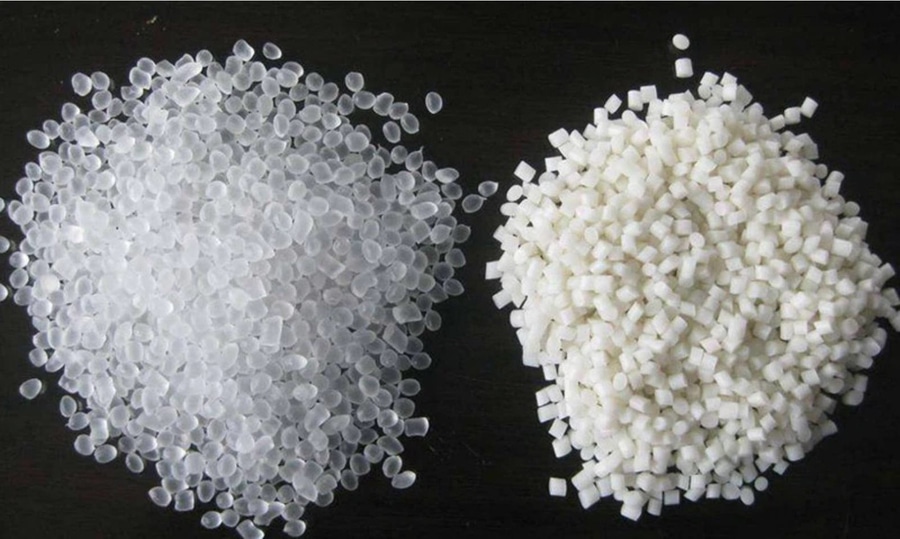
TPEs are made through block or graft polymerization, creating a phase-separated structure that provides both strength and elasticity. They are usually produced as pellets for easy processing. TPEs offer good tensile strength, elasticity, colorability, and surface softness, with service temperatures ranging from –50°C to 120°C. They resist water and weak chemicals but have varying resistance to oils, fuels, and UV exposure depending on type.
3. Advantages and Limitations
Key advantages of TPE include ease of processing, fast cycle times, recyclability, lightweight nature, wide hardness range, and excellent surface finishes. They also allow complex product designs and multi-material overmolding. However, limitations include weaker performance at high temperatures, potential deformation under long-term stress, higher raw material cost compared to standard plastics, and limited resistance to harsh chemicals and UV.
4. Types and Processing Methods
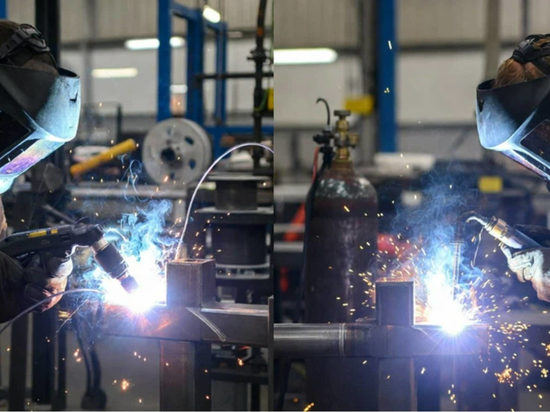
There are six main classes of TPE: styrenic block copolymers (TPE-S), thermoplastic polyolefins (TPE-O), thermoplastic polyurethanes (TPE-U), thermoplastic copolyesters (TPE-E), thermoplastic polyamides (TPE-A), and thermoplastic vulcanizates (TPE-V). Each offers a balance of elasticity, strength, and resistance properties. Processing methods include injection molding, extrusion, blow molding, and even 3D printing for flexible prototypes. Secondary operations such as overmolding and welding further expand their applications.
5. Applications, Comparisons, and Sustainability
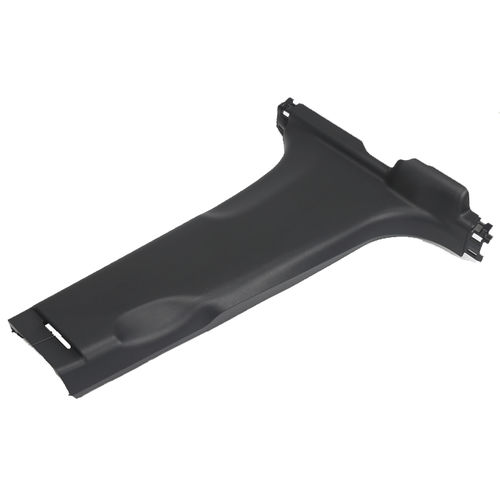
TPEs are widely used in grips, seals, tubing, wearables, cable insulation, and shock-absorbing parts. Compared with TPU, TPE is softer and easier to process, while silicone excels in high-temperature stability and rubber offers superior endurance. Many TPEs comply with FDA, RoHS, and medical biocompatibility standards, making them safe for skin and food contact. With increasing demand for sustainability, recyclable, bio-based, and recycled-content TPEs are being developed, ensuring their role as a versatile and eco-friendly material for modern manufacturing.