#Industry News
Polycarbonate Vs. Acrylic: Everything You Need To Know
Polycarbonate Vs. Acrylic
1. Overview & Definitions
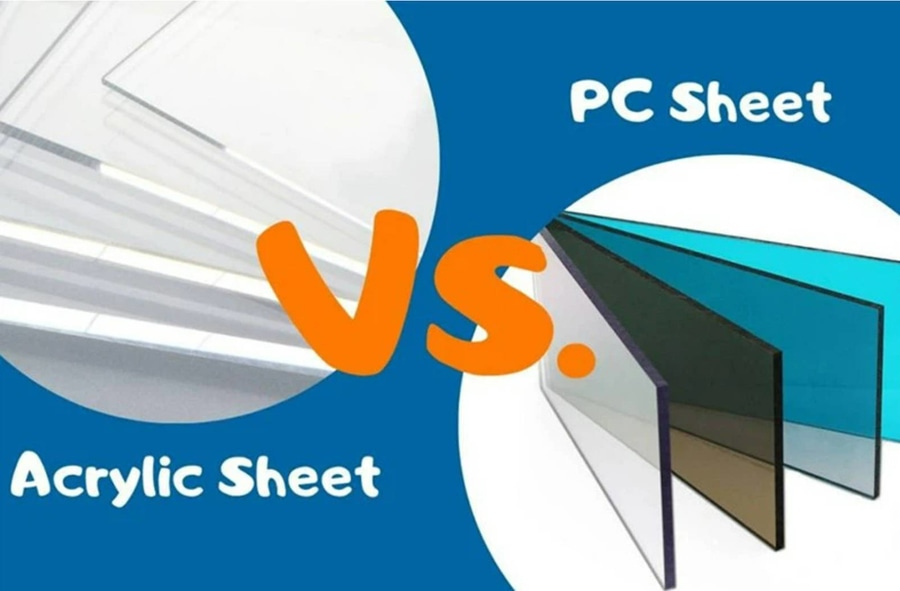
The article begins by introducing polycarbonate (PC) and acrylic (PMMA) as two common transparent thermoplastics. Though both serve as alternatives to glass, they differ significantly in properties, cost, and ideal use-cases. Acrylic (polymethyl methacrylate) is praised for its clarity, weather resistance, and affordability; polycarbonate is noted for superior toughness, higher impact resistance, and better performance in demanding/environmental or safety-critical settings.
2. Types and Variations
Both materials come in multiple sheet types and variants to fit different requirements:
Acrylic sheets: clear, colored/tinted, frosted/matte, impact-modified, UV-resistant, mirrored, and specialty versions (anti-static, abrasion-resistant, etc.).
Polycarbonate sheets: clear solid, tinted/colored, UV-protected, multiwall, corrugated, abrasion- or hard-coated, even bullet-resistant grades.
3. Pros and Cons Compared
The article compares the strengths and weaknesses of each:
Acrylic: Excellent optical clarity (≈ 92% light transmission), good UV stability, scratch resistance, ease of cutting, drilling, polishing; relatively inexpensive. Weaknesses include brittleness, lower impact resistance, limited heat resistance (continuous use ~80 °C), sensitivity to certain solvents.
Polycarbonate: Much tougher, highly impact resistant (far more than acrylic or glass), higher heat resistance (up to ~115 °C continuous use), better dimensional stability under stress. On downside: softer surface (scratches more easily unless coated), slightly less clear, higher cost, can yellow under UV unless additives or coatings are applied.
4. Machining, Finishing, Durability & Applications
The article digs into how the two materials behave under processing:
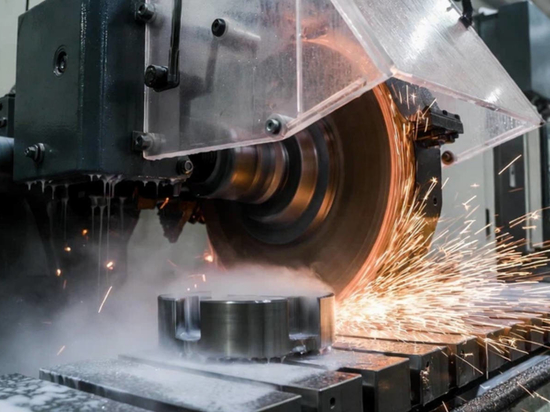
Machining & Finishing: Acrylic is easier to cut, drill, polish and get a glass-like edge; polycarbonate is more ductile (less likely to crack) but needs more careful tooling, cooling, and finishing due to its softness and tendency to show marks.
Durability & Applications: Polycarbonate is preferred for demanding and safety-related uses (e.g. machine guards, protective shields, roofing, bus shelters) because of its high impact strength. Acrylic is chosen where appearance, optical clarity, UV stability, and low cost matter more — for signage, display cases, decorative panels, windows, etc.
5. Cost & Decision Factors
Finally, cost and how to choose between them are addressed:
Acrylic is generally 30-50% cheaper than comparable polycarbonate sheets. For projects where aesthetic clarity and low cost are the main priorities, acrylic is often sufficient.
Polycarbonate, while costlier, often pays off in applications where durability, impact resistance, and safety are required, reducing maintenance or replacement costs over time.
When picking between them, the article recommends weighing factors like impact resistance, weight/handling, transparency & appearance, scratch resistance, UV/weather durability, ease of fabrication, and overall cost.