#Industry News
Investment Casting: Process, Materials, And Applications
Investment Casting
1. Overview and Definition
Investment casting, also known as lost-wax casting, is a precision metal casting process that produces intricate components with exceptional accuracy and surface finish. The process involves creating a wax model (pattern) of the part, coating it in a ceramic shell, and then melting the wax out to form a cavity. Molten metal is poured into this ceramic mold to produce detailed, near-net-shape components with minimal machining requirements.
2. Process Steps
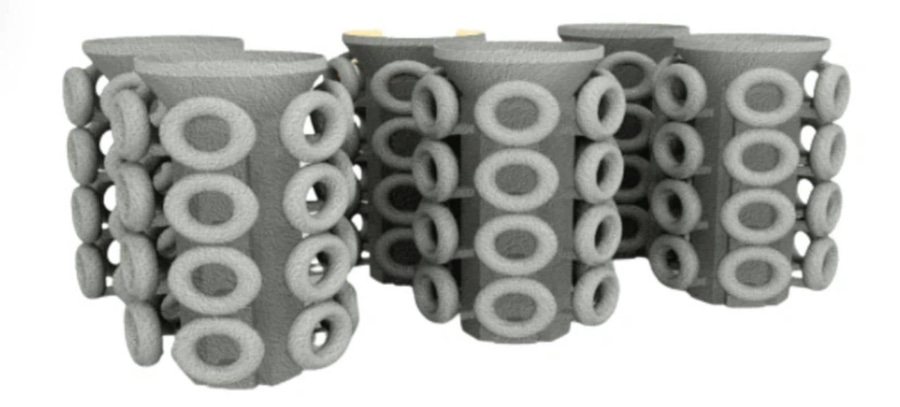
The investment casting process includes several key stages: wax pattern creation, pattern assembly on a sprue tree, ceramic shell building through multiple dips and sand coatings, dewaxing, mold preheating, metal pouring, cooling, and shell removal. Afterward, parts are cut from the sprue, cleaned, and often machined or heat-treated for final precision. This multi-step process enables excellent dimensional control and allows for the production of thin-walled, complex geometries.
3. Materials Used
Investment casting supports a wide variety of metals and alloys, including carbon steel, stainless steel, aluminum, brass, bronze, nickel alloys, cobalt alloys, and titanium. Each alloy offers unique properties—stainless steel for corrosion resistance, nickel alloys for high-temperature strength, and aluminum for lightweight structures. Material selection depends on mechanical requirements, surface finish expectations, and the specific end-use industry.
4. Advantages and Limitations
The primary benefits of investment casting include high dimensional accuracy, superior surface quality, the ability to produce intricate designs, and reduced material waste. It also allows consolidation of multiple parts into one casting, simplifying assembly. However, it has drawbacks such as higher cost compared to sand casting, longer lead times, and size limitations due to the fragility of the ceramic shell. The process is most economical for small to medium-sized precision parts.
5. Applications and Industrial Importance
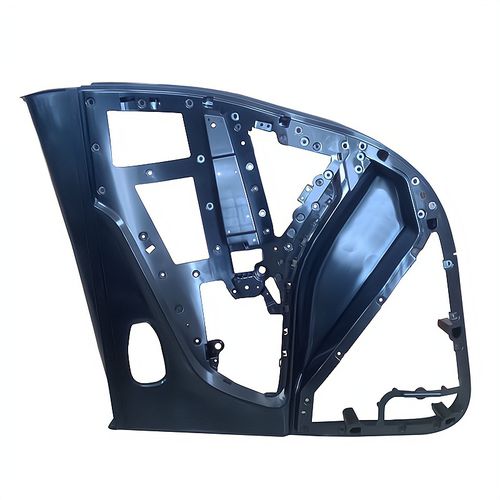
Investment casting is widely applied in aerospace, automotive, medical, energy, and industrial machinery sectors. It’s commonly used to make turbine blades, impellers, gears, valves, surgical instruments, and decorative metal parts. The process is ideal when fine details, close tolerances, and superior strength-to-weight ratios are required. HLC Metal Parts highlights its capability to provide customized investment casting services, offering precise engineering, tooling design, and post-processing to meet diverse industry standards.