#Industry News
What Is Shell Molding? Process, Materials, And Applications
What Is Shell Molding?
1. Definition and Overview
Shell molding, also called the Croning process, is a precision casting technique that uses a thin, hardened shell made of resin-coated sand as the mold. It differs from traditional sand casting by using a fine sand bonded with thermosetting resin to achieve smoother surfaces and tighter tolerances. The method is well-suited for small to medium-sized parts that require high dimensional accuracy, complex geometries, and clean surface finishes.
2. The Shell Molding Process
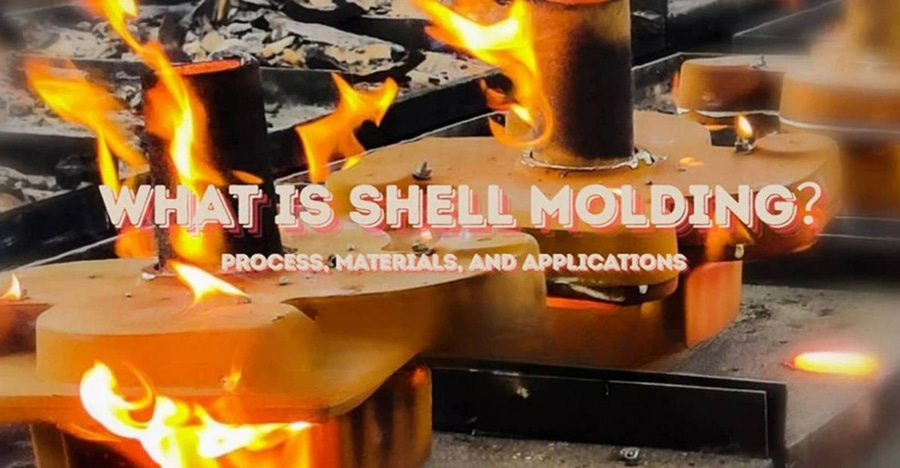
The process begins by heating a metal pattern, typically made of steel or iron, to a high temperature. Resin-coated sand is poured or blown over the heated pattern, forming a thin shell as the resin cures. After cooling, the shell is removed and reinforced by assembling two halves to create a complete mold. Molten metal is poured into the mold, allowed to solidify, and then the shell is broken away to release the finished casting. This method enables consistent wall thickness and fine surface detail.
3. Materials and Compatibility
Shell molding can be used with both ferrous and nonferrous metals. Common materials include carbon steel, stainless steel, alloy steel, aluminum, copper, brass, and bronze. The choice of material depends on the desired strength, corrosion resistance, and thermal properties of the final part. The fine-grain sand and resin mixture in shell molding allows for smooth surfaces and improved dimensional control compared to conventional sand molds.
4. Advantages and Limitations
The key advantages of shell molding include excellent dimensional accuracy, smooth surface finish, and reduced machining needs. It is highly repeatable and compatible with automation, making it ideal for medium- to high-volume production. However, it has some limitations—tooling and equipment costs are higher than traditional sand casting, it is less economical for large parts, and the process requires careful control of temperature and timing.
5. Applications and Comparisons
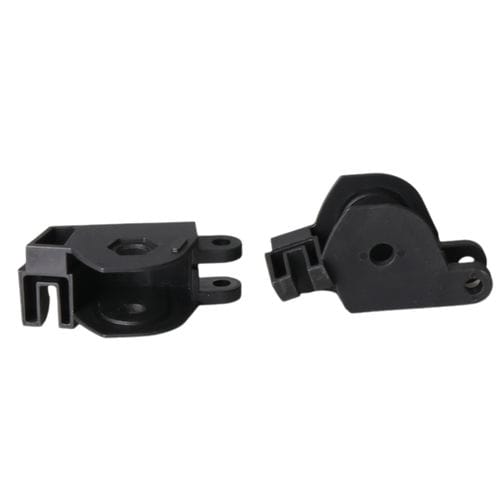
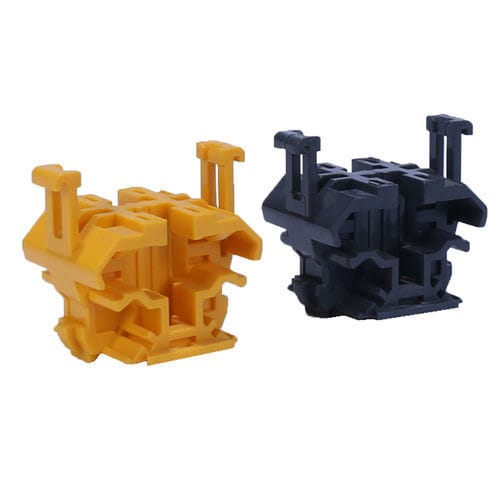
Shell molding is widely used in the automotive, aerospace, machinery, and valve industries. Typical parts include camshafts, gearbox housings, connecting rods, pump bodies, and turbine components. Compared to sand casting, shell molding offers better precision and surface quality. While investment casting allows for more intricate shapes and thinner walls, shell molding provides faster production and lower costs for medium-complexity parts. Overall, it is valued for balancing quality, efficiency, and repeatability in metal casting.