#Industry News
Side Milling: What It Is & How It Works
Side Milling
1. Definition and Core Concept
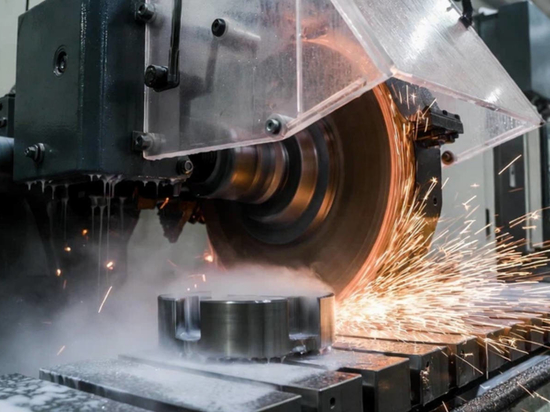
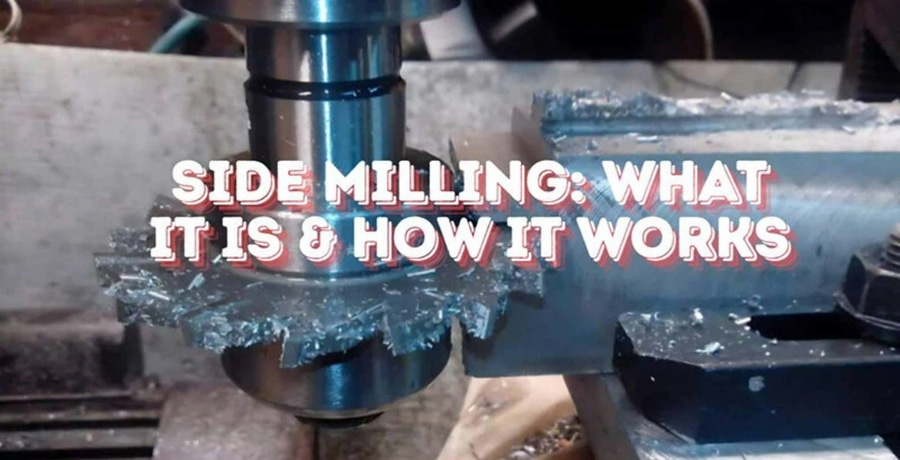
Side milling is a machining operation in which the cutting tool’s sides engage the workpiece, rather than primarily the face of the cutter. The tool’s axis is parallel (or nearly parallel) to the surface being machined, so material is removed along the side of the cutter. This method is especially suitable for creating slots, grooves, shoulders, and other features along the side or edge of a workpiece.
2. How the Process Works & Key Elements
The process uses an arbor-mounted cutter or side-milling tool whose teeth on the circumference and sometimes on the side face cut into the material. The workpiece is clamped securely, and the cutter traverses along or into the side surface, removing material in steps. Important process parameters include spindle speed (RPM), feed rate, depth of cut, tool diameter, number of teeth, and engagement angle—each affecting surface finish, tool life, and dimensional accuracy.
3. Suitable Tools, Materials & Cutter Types
Side-milling cutters are available in different designs: plain or straight-tooth cutters for general slotting, and staggered-tooth cutters for heavier cuts and better chip evacuation. Material choice for the cutter (e.g., carbide, coated carbide) depends on the workpiece material (steel, aluminum, plastics) and the desired finish. The method works across metals, plastics and composites, but rigidity, chip evacuation, and support are especially important for heavy side cuts.
4. Advantages and Limitations
Advantages of side milling include the ability to machine features on the side of a part in one pass, good material removal rates for the feature type, and versatility for slotting and grooving along edges. However, limitations include that side milling is less suited for internal pockets, very thin workpieces (which may deflect), and high-precision contouring deep within cavities. Also, chip removal and tool vibration must be managed to avoid surface defects or tool wear.
5. Applications & Best-Practice Considerations
Side milling is commonly used for making slots, keyways, grooves, shoulders, contouring of side faces, and peripheral machining of parts where features run along an edge or face. When selecting side-milling in a production context, engineers should consider part geometry (side features accessible), workpiece support/stiffness, tool selection (tooth design, cutter diameter, coating), machine rigidity and fixturing, chip management and coolant, and correct process parameters to maintain tool life and surface quality.