#Industry News
A Comprehensive Guide To 4140 Steel: Properties, Uses, And Comparisons
A Comprehensive Guide To 4140 Steel
1. Overview and Definition of 4140 Steel
4140 steel is a chromium-molybdenum (chromoly) low-alloy steel defined by AISI/ASTM standards. It is known for offering a well-balanced combination of strength, toughness, and wear resistance. With carefully controlled carbon, chromium, and molybdenum content, 4140 steel provides excellent hardenability and consistent mechanical performance, making it one of the most widely used alloy steels in industrial manufacturing.
2. Chemical Composition and Mechanical Performance
The performance of 4140 steel comes from its optimized alloy composition. Carbon increases strength and hardness, chromium enhances wear resistance and hardenability, and molybdenum improves temper stability and high-temperature strength. In the quenched and tempered condition, 4140 steel delivers high tensile and yield strength, good elongation, and reliable impact toughness. These properties allow it to perform well under heavy loads, cyclic stress, and demanding service conditions.
3. Heat Treatment and Material Classification
4140 steel can be supplied in multiple heat treatment states, including annealed, normalized, quenched and tempered, and pre-hardened conditions. Each condition is suited to different manufacturing and performance needs. Heat treatment allows engineers to tailor hardness and toughness precisely, ranging from softer states for machining to high-hardness conditions for wear-resistant components. The steel is available in various product forms such as bars, plates, tubes, and forgings, supporting a wide range of applications.
4. Advantages, Limitations, and Machining Considerations
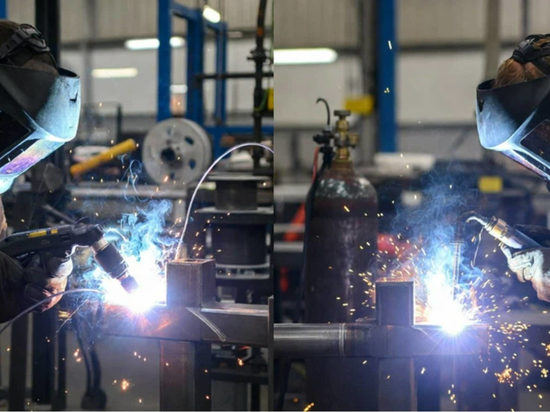
The main advantages of 4140 steel include its balanced mechanical properties, heat-treatment flexibility, good fatigue resistance, and cost effectiveness compared to higher-alloy steels. However, it also has limitations. Weldability requires careful preheating and post-weld heat treatment to avoid cracking, and machining hardened 4140 demands carbide or advanced tooling. Its corrosion resistance is only moderate, meaning it is not suitable for highly corrosive environments without additional protection.
5. Applications and Material Comparisons
4140 steel is widely used in automotive, aerospace, oil and gas, heavy machinery, and tooling industries for components such as shafts, gears, crankshafts, drill collars, and mold bases. Compared with plain carbon steels like A36 or 1045, 4140 offers significantly higher strength, better fatigue life, and superior hardenability. While it does not match stainless steels in corrosion resistance, its strength-to-cost ratio and versatility make it a preferred material for high-stress, load-bearing components.