#Industry News
How Is The Mold Designed And Manufactured ?
How Is The Mold Designed And Manufactured ?
1. What Molds Are and Their Historical Context
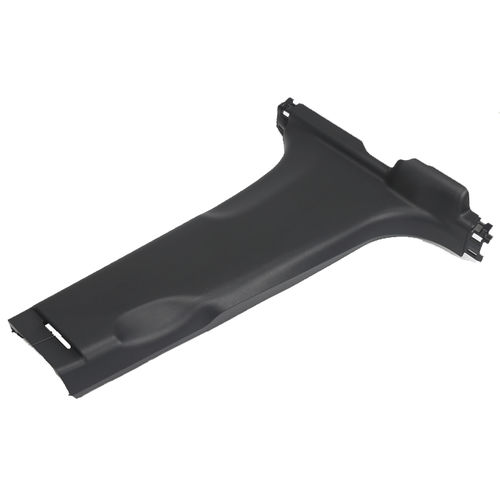
Molds are specially designed tools used in manufacturing to shape or form materials into desired geometries. Their use dates back thousands of years, with early civilizations employing wax and other simple materials to create reusable shapes. Today in industry, molds are essential for producing consistent, high-quality products across processes such as injection molding, die casting, stamping, and more.
2. Key Components of a Mold
A typical mold consists of several core elements that work together to form finished parts. The cavity defines the external shape of the product, while a core creates internal features or undercuts. Additional mold components include the runner system (channels for material flow), ejector pins that push parts out after forming, cooling channels that regulate temperature, and venting systems that allow trapped air to escape. More complex molds may also incorporate slides, lifters, inserts, alignment pins, and a robust mold base for structural support and precision.
3. The Mold Design Process
Designing a mold begins with detailed product drawings created by designers using 3D CAD models. Mold engineers then determine the appropriate mold type (e.g., injection, die casting, stamping) and establish key design parameters such as cavity layout, number of cavities, gating systems, cooling and ejection mechanisms, and material selection. Design must account for how the mold will perform under production conditions while ensuring dimensional accuracy and part quality.
4. Selecting Mold Materials and Machining Techniques
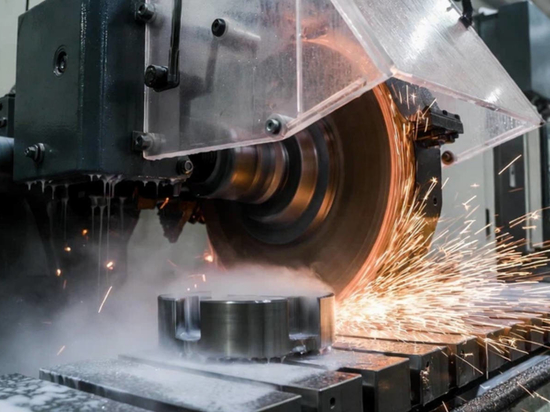
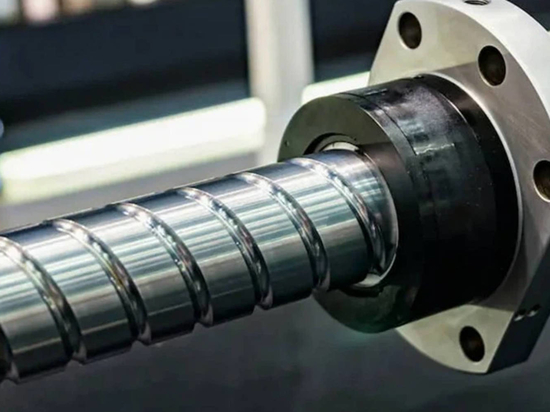
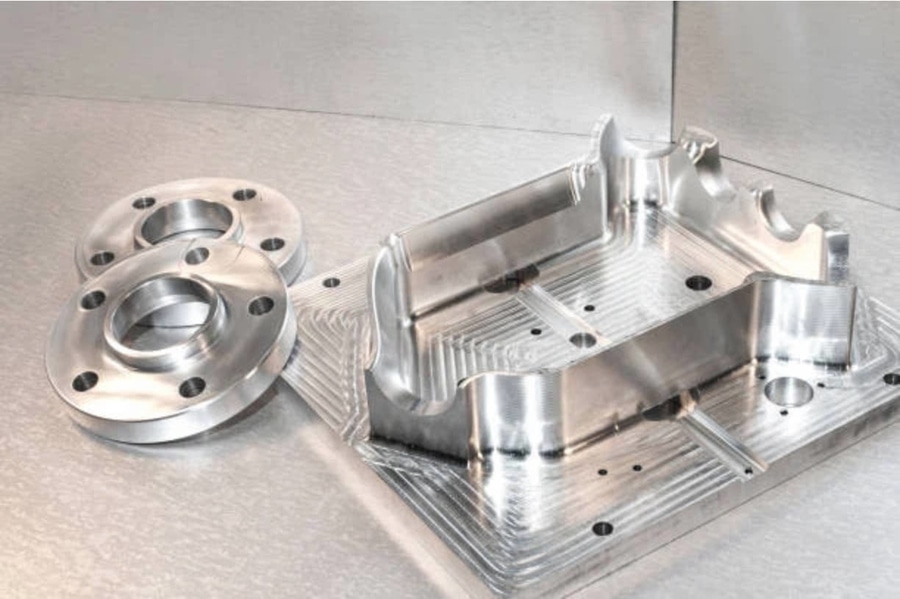
The choice of materials for mold production depends on expected production volume, wear resistance, and the type of material being molded. Common mold materials include tool steels, aluminum, and alloy steels. Once materials are selected, machining techniques such as milling, turning, grinding, and electrical discharge machining (EDM) are used to create molds’ cavities, cores, and channels to precise tolerances. Proper machining ensures that molds are durable and produce parts that meet specifications.
5. Assembly, Testing, and Final Preparation
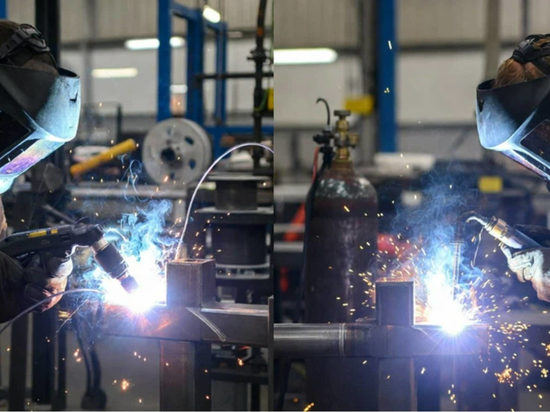
After machining, all mold components are assembled into a complete tool. This includes aligning and fitting the cavity, core inserts, ejector systems, and cooling components securely. Surface treatments (such as polishing or coating) improve mold durability and part release properties. Finally, molds undergo testing and quality control where initial trial runs are performed, adjustments are made based on performance results, and the mold is validated before full-scale production begins.