#Industry News
Compressive Strength vs Tensile Strength vs Shear Strength
Compressive Strength vs Tensile Strength vs Shear Strength
1. Definition of Compressive, Tensile, and Shear Strength
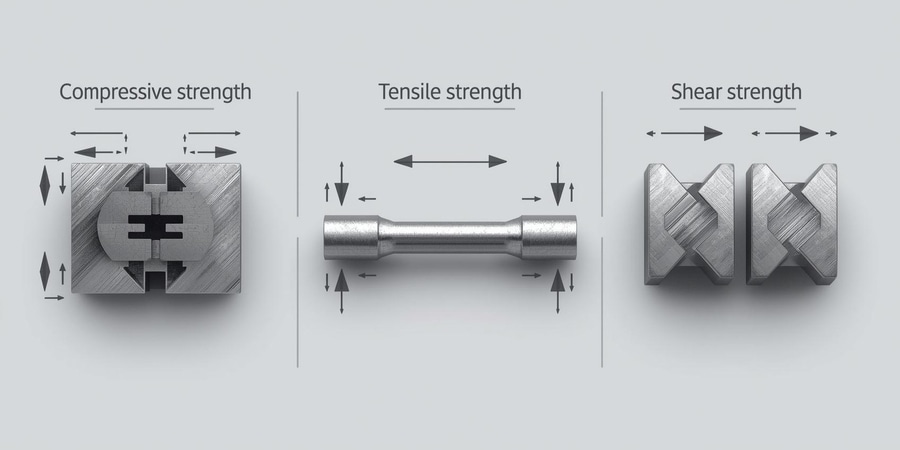
Compressive strength, tensile strength, and shear strength are three fundamental mechanical properties used to describe how materials behave under different types of loading. Each strength type reflects a distinct force direction and failure mechanism, making them essential parameters in engineering design, material selection, and structural evaluation.
While these properties are often discussed together, they address different mechanical challenges and cannot be used interchangeably.
2. Tensile Strength: Resistance to Pulling Forces
Tensile strength defines a material’s ability to withstand forces that attempt to pull it apart. Under tensile loading, a material experiences elongation and eventually fractures once its maximum tensile capacity is exceeded.
This property is particularly important for components such as fasteners, rods, cables, and structural elements that operate under axial tension. Tensile strength is typically determined through standardized tensile testing, where stress–strain behavior provides insight into both strength and ductility.
3. Compressive Strength: Resistance to Compression and Crushing
Compressive strength measures a material’s ability to resist forces that push or compress it. Unlike tensile loading, compressive failure may occur through crushing, deformation, or structural instability such as buckling, depending on the material and component geometry.
Materials with high compressive strength are commonly used in load-bearing applications, spacers, supports, and contact surfaces where compressive stresses dominate. Evaluating compressive behavior is especially important for components subjected to sustained or repetitive loading.
4. Shear Strength: Resistance to Sliding Forces
Shear strength refers to a material’s capacity to resist forces that cause one part of the material to slide relative to another along a plane. Shear loading is frequently encountered in joints, fasteners, rivets, pins, and welded or bonded interfaces.
Failure in shear often occurs without significant visible deformation, which makes accurate strength evaluation critical for ensuring joint reliability and overall structural integrity.
5. Why Understanding These Strengths Matters in Engineering
In real-world applications, components are rarely subjected to a single type of load. Instead, tensile, compressive, and shear stresses often act simultaneously. Misjudging the dominant stress mode can result in premature failure or unnecessary over-engineering.
Understanding the differences between these strength types helps engineers:
Identify critical failure modes
Select appropriate materials and manufacturing processes
Design safer and more reliable mechanical components
6. Practical Considerations in Manufacturing Applications
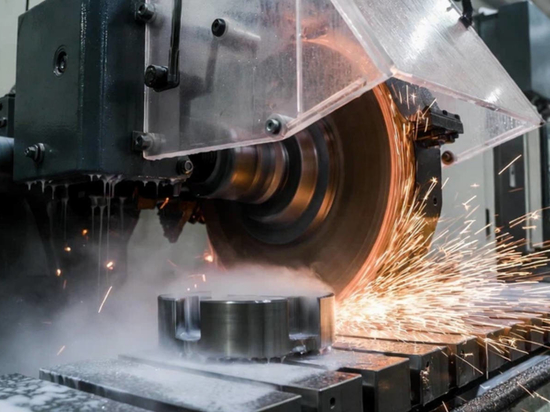
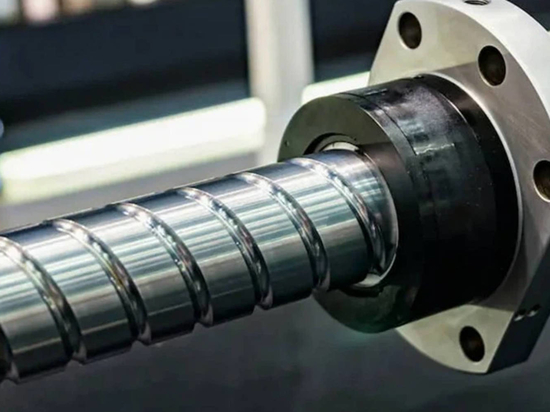
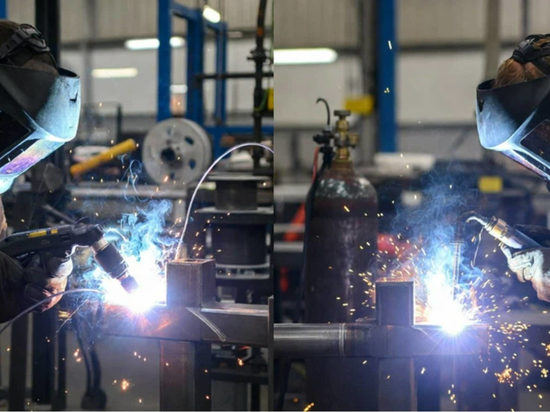
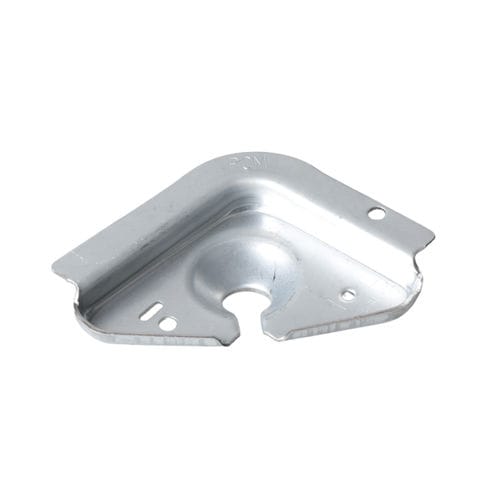
In custom part manufacturing, mechanical strength requirements must be evaluated alongside material properties, part geometry, and production methods. Whether components are produced through CNC machining, metal stamping, forming, or assembly processes, matching strength characteristics to actual service conditions is essential for long-term performance.