#Industry News
All About Polyether Ether Ketone(PEEK) Plastic
All About Polyether Ether Ketone(PEEK) Plastic
1. What PEEK Plastic Is
PEEK (Polyether Ether Ketone) is a high-performance thermoplastic in the polyaryletherketone (PAEK) family, designed for use in demanding industrial environments where traditional engineering plastics fall short. It combines exceptional mechanical strength, stiffness, and dimensional stability, even at high temperatures, making it suitable for applications where reliability and performance are critical.
2. Material Structure and Manufacturing
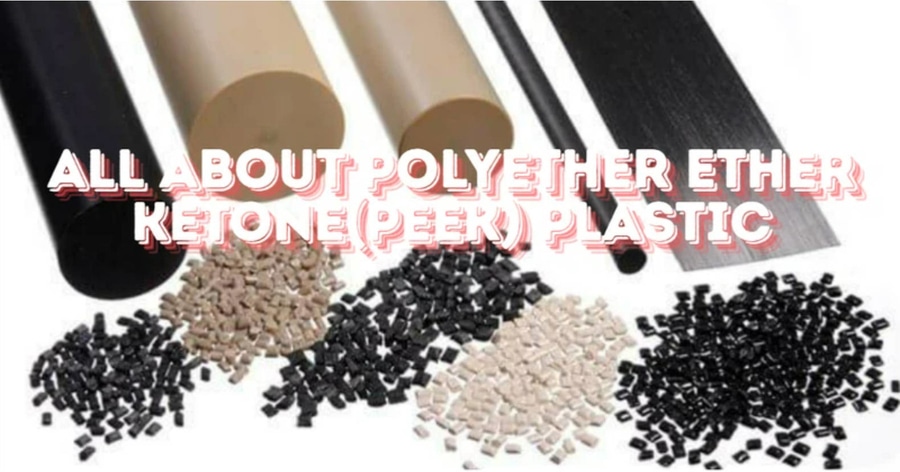
The PEEK polymer is produced through a controlled chemical polymerization process that forms long, stable molecular chains with semi-crystalline structure. After synthesis, the material is cooled, purified, and formed into pellets, sheets, rods, or powders. These semi-finished forms are then processed into finished parts using methods such as injection molding, extrusion, compression molding, or CNC machining.
3. Key Performance Properties
PEEK stands out for its balance of performance attributes. It maintains high mechanical strength and stiffness over a wide temperature range, has excellent resistance to chemicals, and resists abrasion and wear. It also exhibits low moisture absorption, which helps maintain dimensional stability, and good electrical insulation properties, making it versatile for both structural and functional components.
4. Processing Characteristics and Challenges
Although PEEK offers superior properties, it is more challenging to process than typical engineering plastics. It requires higher processing temperatures and specialized equipment for molding or extrusion. Its high raw material cost and narrow processing window mean that manufacturing PEEK parts demands careful process control and can be more expensive than standard plastics.
5. Typical Applications and Advantages
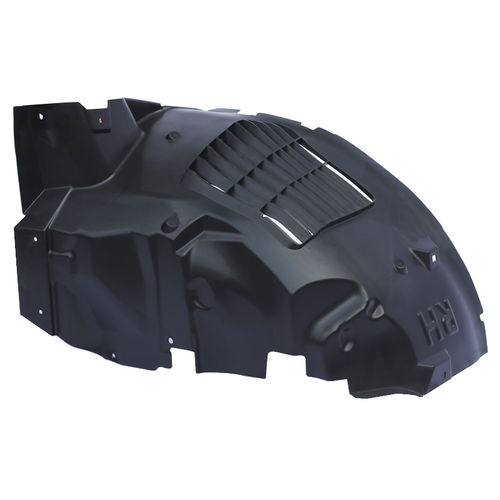
Because of its blend of strength, thermal stability, and chemical resistance, PEEK is widely used in high-demand sectors such as aerospace, automotive, medical, electronics, oil and gas, and industrial machinery. Typical parts include structural components, bearings, seals, connectors, and devices that must operate reliably in harsh environments. PEEK is also chosen as a metal replacement in weight-sensitive applications due to its high performance-to-weight ratio.