#Industry News
4340 Steel: Everything You Need To Know
4340 Steel
1. Overview and Classification
4340 steel is a high-strength, medium-carbon low-alloy steel alloyed with nickel, chromium, and molybdenum. It belongs to the AISI/SAE classification and is engineered to handle high stress, dynamic loads, and demanding service conditions that ordinary carbon steels cannot. It is typically supplied in annealed, normalized, or quenched and tempered conditions depending on application and required mechanical properties.
2. Chemical Composition and Mechanical Traits
The alloy’s composition includes carbon (≈0.38–0.43 %), manganese, silicon, nickel (≈1.65–2.00 %), chromium (≈0.70–0.90 %), and molybdenum (≈0.20–0.30 %). Nickel improves toughness and fatigue resistance, chromium increases hardenability and wear resistance, and molybdenum supports strength at elevated temperatures. The balanced chemistry allows 4340 steel to develop high strength, excellent toughness, good ductility, and fatigue resistance once properly heat-treated.
3. Heat Treatment, Machinability and Weldability
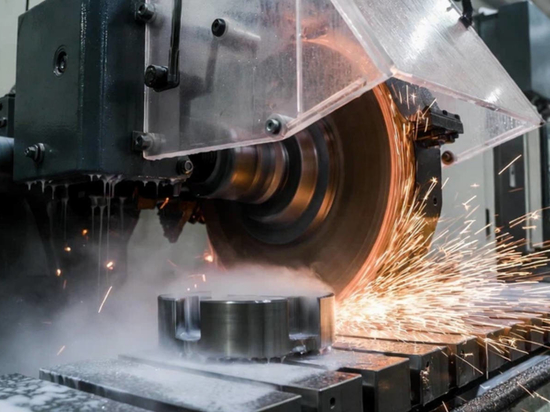
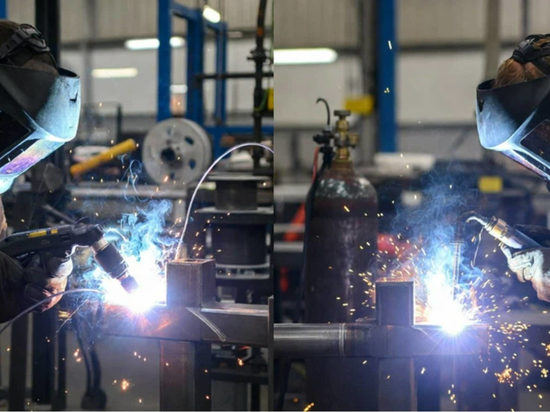
4340 steel responds very well to heat treatment, especially quenching and tempering, which produces a desirable mix of hardness, strength, and toughness. In the annealed condition, it is easier to machine using conventional tools, but after hardening its machinability decreases significantly, requiring slower cutting speeds and robust tooling. Welding 4340 steel is possible but requires careful control, typically preheating and post-weld heat treatment, to avoid cracking in the heat-affected zone.
4. Common Forms and Applications
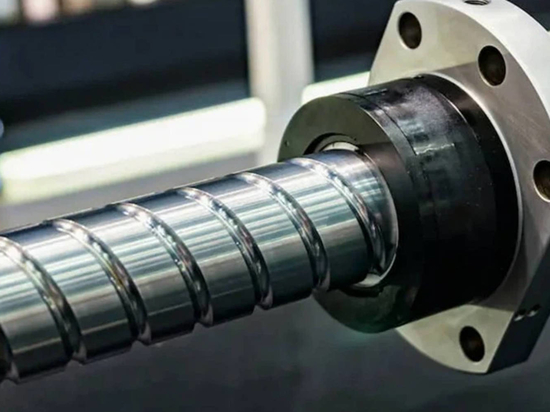
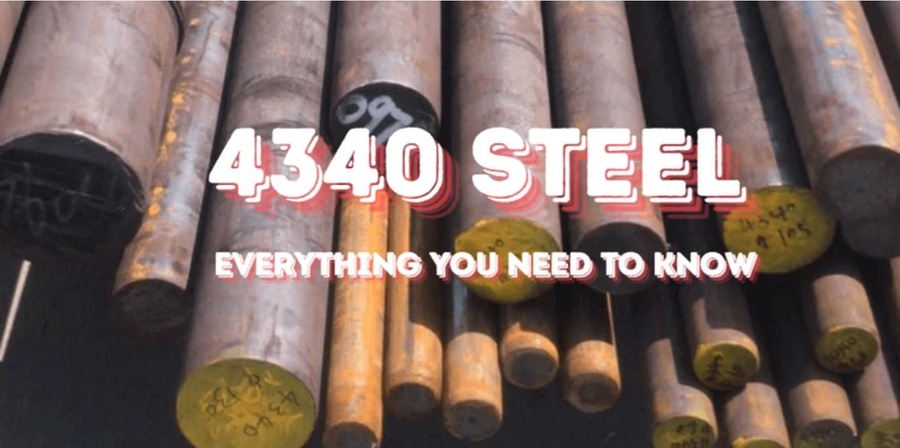
4340 steel is produced in many forms, including bars, rods, plates, forgings, and tubes, and used in many high-stress structural and mechanical components. It is commonly found in landing gear, crankshafts, connecting rods, shafts in automotive and aerospace applications, and heavy-load machinery parts because of its strength, toughness, and fatigue resistance. Forged versions further improve grain flow and durability for dynamic load conditions.
5. Advantages, Disadvantages, and Comparisons
Key advantages of 4340 steel include high strength after heat treatment, deep hardenability for thick sections, excellent fatigue resistance, and versatile heat-treatment response. However, it has some drawbacks, such as higher cost than plain carbon steels, reduced machinability when hardened, and limited weldability without specialized procedures. Compared with steels like 4140, 4340 generally offers higher strength and impact resistance, especially for demanding applications, but at increased expense and process complexity.