#Industry News
What Exactly Is Anodizing? And How It Works?
What Exactly Is Anodizing?
1. What Anodizing Is
Anodizing is an electrochemical surface treatment that converts the surface of a metal—most commonly aluminum—into a hard, durable anodic oxide layer. Unlike paint or plating, this oxide layer isn’t a separate coating applied on top of the material; rather, it becomes part of the metal surface itself, making it highly resistant to peeling, chipping, and wear. The process increases corrosion resistance, enhances surface hardness, and improves aesthetics.
2. How the Anodizing Process Works
At its core, anodizing uses electric current and an acidic electrolyte to grow an oxide layer on a metal part. The workpiece is connected as the anode in an electrolytic cell, while an inert cathode sits in the electrolyte bath. When current flows, the metal atoms at the surface lose electrons and combine with oxygen ions from the electrolyte to form a thick, controlled oxide layer. Hydrogen gas forms at the cathode as a byproduct. This electrochemical reaction is essentially a controlled and beneficial oxidation of the metal surface.
3. Key Stages in the Anodizing Process
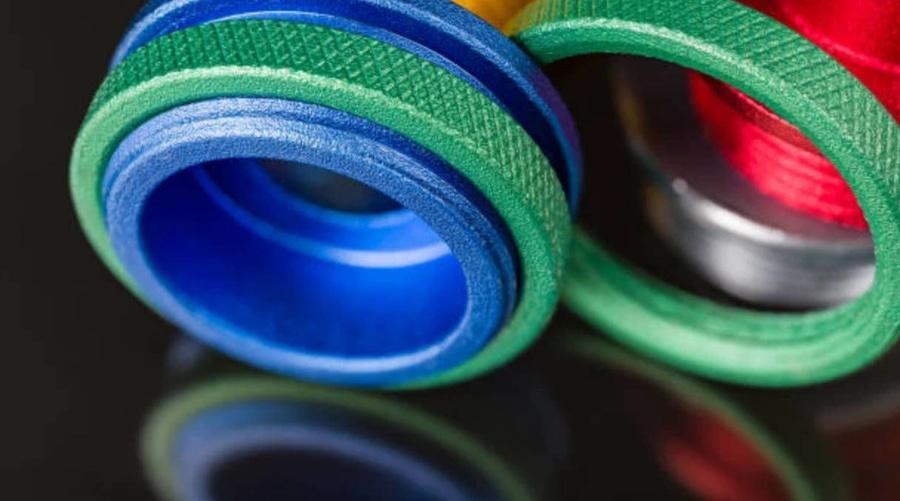
Before anodizing, parts are typically cleaned and pretreated to remove oils, dirt, or existing oxides, ensuring uniform oxide growth. During anodizing, voltage, current, time, and electrolyte composition are carefully controlled to determine the final oxide thickness and surface characteristics. After the oxide layer forms, the porous surface can be sealed or dyed—the pores help absorb color before being closed, to enhance corrosion protection and decorative appearance.
4. Types and Variations of Anodizing
There are different anodizing methods tailored to performance and finish needs. Chromic acid anodizing makes a thinner oxide layer suitable for corrosion resistance with minimal dimensional change, while sulfuric acid anodizing (the most common) creates a thicker, harder layer that also accepts dyes effectively. Specialized variants such as hard anodizing produce very thick, wear-resistant coatings for heavy-duty applications. These process choices influence corrosion resistance, surface hardness, aesthetic options, and cost.
5. Benefits and Applications
Anodized surfaces provide improved corrosion resistance, enhanced wear resistance, electrical insulation properties, and aesthetic appeal due to the hard oxide layer and dyeing options. The finish is widely used in industries including consumer electronics, automotive, aerospace, architectural components, and sporting goods. Because the anodized layer is integral to the metal, it lasts longer under harsh environments and maintains appearance and performance over time.