#Industry News
23 Types Of Milling Operations
23 Types Of Milling Operations
1. Overview of Milling Operations
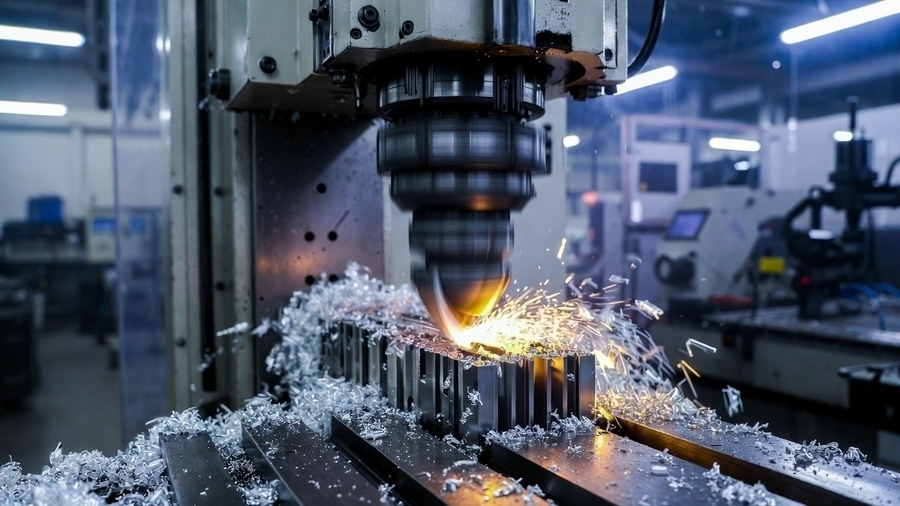
Milling is one of the most widely used machining processes in modern manufacturing. By rotating a multi-point cutting tool against a stationary workpiece, milling enables precise material removal to create complex shapes, slots, contours, and surfaces.
Understanding the different types of milling operations helps engineers and procurement professionals select the right machining strategy for part geometry, surface finish, tolerance requirements, and production efficiency.
2. Classification of Milling Operations
Milling operations can be categorized based on cutting direction, tool orientation, and machined features. The most common classifications include:
Face milling
End milling
Slot milling
Side milling
Shoulder milling
Profile milling
Thread milling
Gear milling
Helical milling
Chamfer milling
Straddle milling
Gang milling
T-slot milling
Dovetail milling
Form milling
Slab milling
Angular milling
Peripheral milling
Climb milling
Conventional milling
High-speed milling
High-efficiency milling
Micro milling
3. Functional Differences and Machining Characteristics
Different milling operations serve different manufacturing purposes:
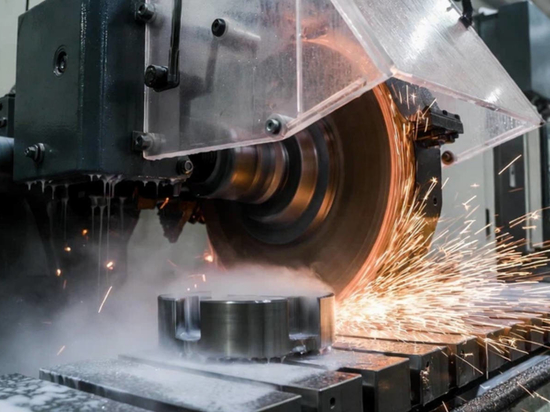
Face milling is primarily used to create flat surfaces with good surface finish.
End milling is suitable for slots, pockets, and complex contours.
Slot milling and side milling generate narrow channels and side features.
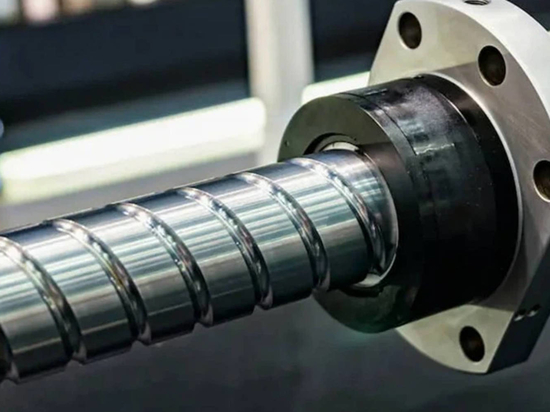
Thread milling and gear milling produce functional mechanical components.
Climb milling and conventional milling differ in chip formation and tool engagement strategy.
High-speed and high-efficiency milling focus on productivity and reduced cycle time.
4. Applications Across Industries
Milling operations are widely applied in industries such as automotive, aerospace, electronics, medical devices, and industrial equipment manufacturing.
Common components produced through milling include:
Machine bases and structural frames
Gear housings and mechanical transmission parts
Mold cavities and dies
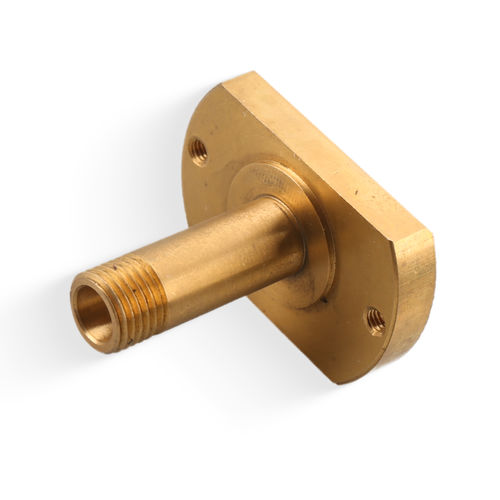
Precision brackets and mounting components
Complex aluminum and stainless steel parts
5. Choosing the Right Milling Strategy
Selecting the appropriate milling operation requires evaluating several factors:
Part geometry and feature complexity
Required surface finish and tolerance
Material type and machinability
Production volume
Tool life and cost efficiency