#Industry News
How Is The Mold Designed And Manufactured ?
How Is The Mold Designed And Manufactured ?
1. Definition and Importance of Molds
Molds are precision tools used in manufacturing to shape raw material into specified parts. They are essential for mass production in processes such as injection molding, die casting, and stamping. A well-designed mold determines the quality, consistency, and production efficiency of the final product.
2. Key Components of a Mold
A typical mold includes several parts: the cavity that defines the outer shape of the product, the core for internal features, the runner system that channels molten material, ejector pins to push the finished part out, cooling channels to control temperature, and various alignment and support elements. Each component must be precisely engineered to work together and ensure stable production.
3. The Mold Design Process
Mold design starts with detailed product engineering drawings or 3D CAD models. Designers choose the mold type and layout, determine cavity count, and plan gating, cooling, and ejection systems. They must also consider part shrinkage, material flow, thermal behavior, and machining feasibility to ensure the mold will produce accurate, defect-free parts.
4. Mold Material Selection and Manufacturing Techniques
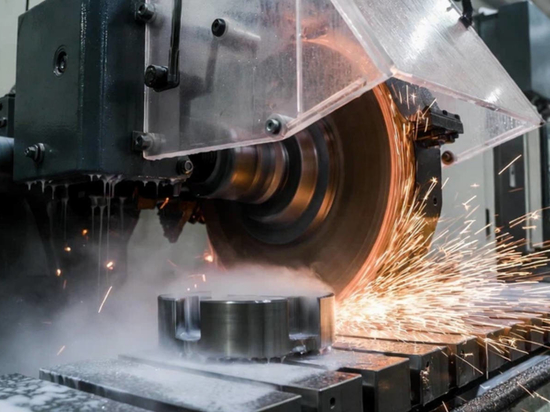
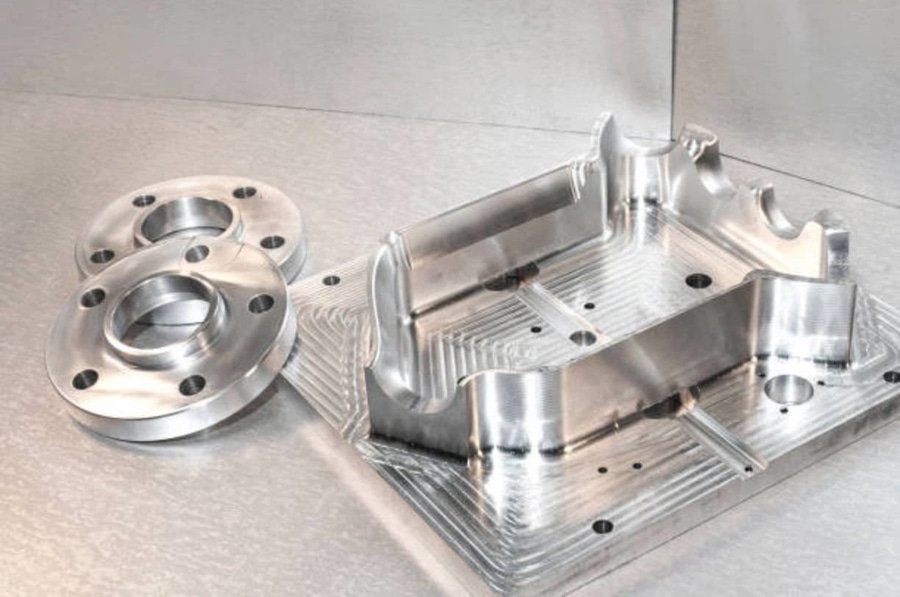
Materials for mold construction are chosen based on expected production volume and wear resistance; common choices include hardened tool steel, alloy steel, and sometimes aluminum for prototype or low-volume molds. Once a design is complete, machining techniques such as CNC milling, EDM (electrical discharge machining), drilling, and grinding are used to shape mold components with high precision.
5. Assembly, Testing and Optimization
After machining, mold components are assembled, aligned, and fitted with cooling lines, ejector systems, and inserts. Surface finishing such as polishing or texturing is applied where needed for part quality. The mold then undergoes trial runs and adjustments, testing for flow, cycle time, cooling performance, and part accuracy, before being approved for full production.