#Industry News
Turning Operations: Complete Guide To CNC Turning Processes And Types
Turning Operations
1. Definition of Turning Operations
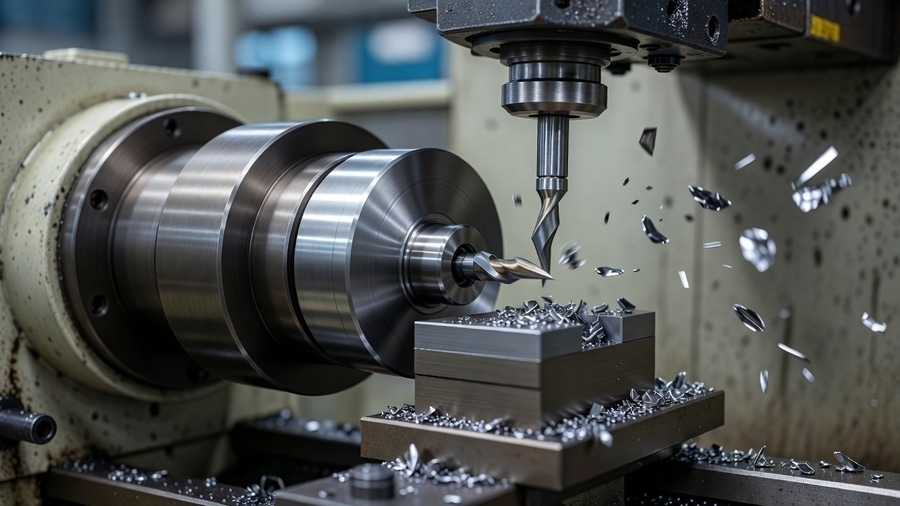
Turning operations are machining processes in which a rotating workpiece is shaped by a stationary cutting tool to create cylindrical or rotational features. In CNC environments, turning is used to control outer diameters, inner diameters, faces, grooves, and threaded profiles with high dimensional accuracy. It is a core subtractive manufacturing method widely applied in precision component production.
2. Importance in Engineering and Manufacturing
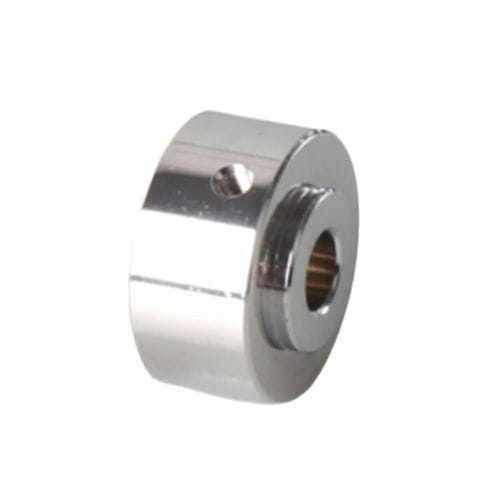
Turning plays a critical role in industries that require rotational symmetry and tight dimensional control. Components such as shafts, bushings, threaded fittings, and cylindrical housings rely on turning for functional performance and structural integrity. CNC turning enhances repeatability, reduces human error, and supports medium to high-volume production with consistent quality.
3. Types of Turning Operations
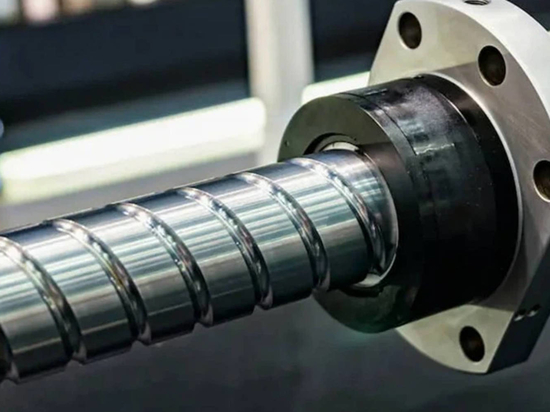
Turning includes several process variations depending on feature requirements. Common types include straight turning for diameter reduction, facing for flat surfaces, grooving for narrow recesses, boring for internal diameter control, threading for helical profiles, and parting for component separation. Each operation is selected based on geometry, tolerance requirements, and production objectives.
4. High Precision and Process Control
Modern CNC turning centers provide stable machining conditions through controlled cutting parameters, rigid workholding systems, and advanced tooling. Depending on material properties and machine capability, typical industrial tolerances can range between ±0.01 mm and ±0.05 mm. Surface finish is influenced by feed rate, tool geometry, and vibration control, making process stability essential for achieving consistent results.
5. Measurement, Optimization and Manufacturing Efficiency
Turning performance is evaluated through dimensional inspection, surface roughness measurement, and process repeatability analysis. Effective process planning considers material behavior, thermal effects, tool wear, and machine configuration. By selecting the appropriate turning method and equipment, manufacturers can reduce cycle time, minimize secondary operations, and improve overall production efficiency.