
#Industry News
Ceramic Blasting vs. Traditional Media: Which Offers Better Value and Performance?
A Practical Comparison of Efficiency, Durability, and Cost in Modern Surface Treatment
In the field of industrial surface treatment, abrasive blasting is a crucial process. Whether it’s rust removal, oxide layer cleaning, or precision mold finishing, the choice of blasting media directly impacts product quality, cost, and overall efficiency.
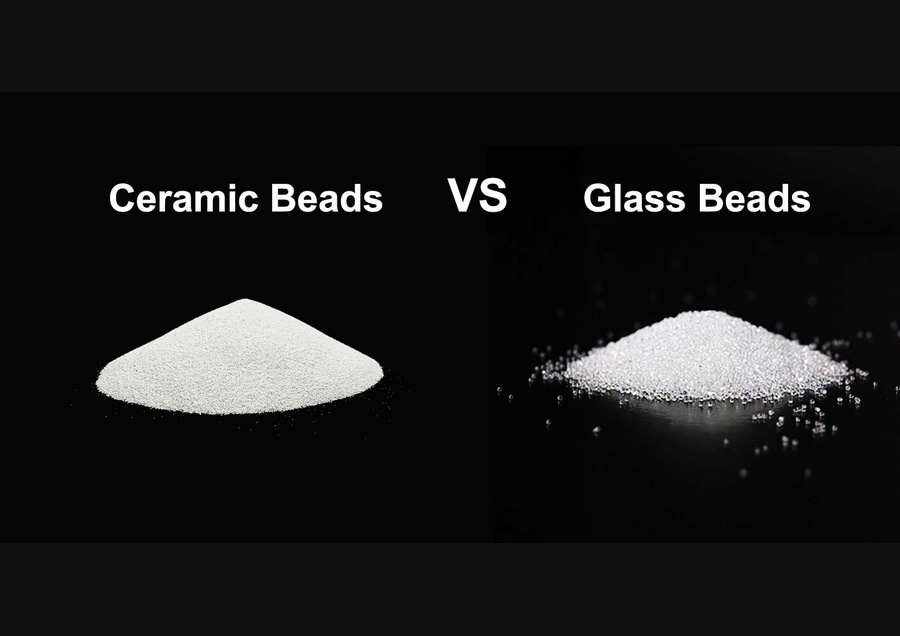
This article compares ceramic blasting media with traditional media such as glass beads, quartz sand, and steel grit, focusing on four key aspects: performance, durability, versatility, and cost-efficiency.
1. Performance Comparison: Precision vs. Inconsistency
Hardness:
Ceramic media has a high hardness level (Mohs 7.0 and above), which allows it to maintain cutting power and resist wear over time. Traditional media such as glass beads are moderately hard (around Mohs 6.0), and steel grit is harder but breaks down more quickly with repeated use.
Surface Finish:
Ceramic media provides a more uniform and controllable surface finish, making it suitable for high-precision requirements. In contrast, traditional media often produce inconsistent results due to irregular particle breakdown during use.
Particle Size Consistency:
Ceramic media maintains consistent particle size across multiple uses, which is critical for repeatable results in precision industries. Traditional media tends to vary in size over time, leading to reduced accuracy.
Reusability:
Ceramic media can typically be reused 20 to 30 times with minimal performance loss. Traditional media like glass beads may only be used 5 to 10 times, often even fewer depending on the application and equipment.
Conclusion:
Ceramic media clearly outperforms traditional options in terms of stability, precision, and repeatability, making it ideal for industries like aerospace, medical devices, and high-end mold manufacturing.
2. Durability: Which One Lasts Longer?
Ceramic media is highly durable and resistant to breakage, allowing for significantly more reuse compared to traditional options. Glass beads and quartz sand are brittle and tend to fracture quickly during use, resulting in frequent replacement. While steel grit has high hardness, it can damage softer or precision components, making it unsuitable for sensitive applications.
In terms of overall durability, ceramic media leads to fewer replacements, reduced downtime, lower labor costs, and less machine maintenance.
3. Versatility: A Wider Range of Applications
Aerospace Industry:
Ceramic media is suitable due to its high precision and low contamination risk. Traditional media may leave residues and do not meet aerospace-grade cleanliness standards.
Medical Equipment Manufacturing:
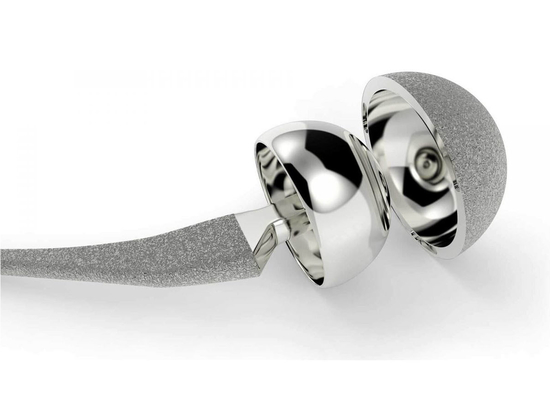
Ceramic media is non-toxic and contains no heavy metals, meeting medical-grade surface treatment requirements. Traditional media often fail to meet hygiene and safety standards.
Mold Finishing:
Ceramic media creates a smoother, more refined finish and can extend mold life. While traditional media can be used here, their performance is typically less consistent.
General Rust Removal:
Both ceramic and traditional media can be used effectively. For large-scale or low-spec applications, traditional media may be more cost-effective.
Conclusion:
Ceramic blasting media is more versatile and adaptable to both high-end and general-use cases, while traditional media is limited mainly to basic or large-volume jobs where surface quality is not critical.
4. Cost Efficiency: Upfront Cost vs. Total Investment
Although ceramic media costs 2 to 3 times more per kilogram compared to glass beads or sand, it offers substantial savings over time:
It lasts significantly longer
Requires fewer media replacements
Reduces equipment maintenance
Improves consistency and product quality
Example Scenario:
For processing 1,000 precision components:
Using glass beads, the total cost is approximately $170 USD considering frequent media replacement and inconsistent performance.
Using ceramic media, the total cost is approximately $100 USD, thanks to extended reusability, stable results, and lower operational risk.
Conclusion:
Ceramic media delivers better value in the long term, especially for industries that demand quality, consistency, and efficiency.
5. Final Thoughts: Choose Based on Your Application
If your operation prioritizes precision, durability, and long-term cost control, ceramic blasting media is the best choice. For basic or short-term operations where surface accuracy is not a concern, traditional media may still offer value due to its lower initial cost.
Recommendation:
Assess your process requirements, production scale, and desired quality level before selecting a blasting media. In most precision applications, ceramic media offers a superior return on investment.