#Industry News
A Comprehensive Guide to Hydraulic Hose Sleeves
Hydraulic Hose Sleeves
Hydraulic systems rely heavily on hoses to transmit fluids under high pressure. Over time, these hoses can be exposed to extreme temperatures, abrasions, and chemicals, making them vulnerable to damage and failure. Hydraulic hose sleeves are protective coverings designed to safeguard these vital components. In this guide, we’ll explore the benefits, types, and best practices for using hydraulic hose sleeves to extend the life and performance of your hydraulic systems.
What Are Hydraulic Hose Sleeves?
Hydraulic hose sleeves are durable, high-performance covers designed to protect hydraulic hoses from a range of environmental hazards, including abrasion, heat, and chemical exposure. These sleeves serve as a first line of defense, preventing wear and tear that could lead to hose failure, leaks, and downtime.
Why Are Hydraulic Hose Sleeves Important?
Protection Against Abrasion: Hydraulic hoses are often routed through tight spaces and subjected to repeated motion, friction, and contact with rough surfaces. Hose sleeves act as a barrier, preventing abrasions that can cause cracks or leaks in the hose’s outer layer.
Heat Resistance: In high-temperature environments, hydraulic hoses are prone to heat degradation, which can compromise their integrity and cause premature failure. Many hydraulic hose sleeves are made from heat-resistant materials, such as fiberglass or silicone, to shield hoses from extreme temperatures.
Chemical Resistance: Hydraulic hoses may be exposed to various chemicals, oils, and solvents that can degrade the hose material over time. Hose sleeves made from chemically resistant fabrics protect the hose from these hazardous substances, ensuring the system's longevity.
Pressure Containment: In the event of a burst or leak, hose sleeves help contain the fluid and prevent it from spraying onto the surrounding environment. This containment is crucial for both safety and efficiency in high-pressure hydraulic systems.
Improved Aesthetics and Organization: Sleeves can help bundle multiple hoses together, keeping them neat and organized. This can make maintenance and inspections easier while improving the overall appearance of the system.
Types of Hydraulic Hose Sleeves
Fiberglass Sleeves: Fiberglass hydraulic hose sleeves are widely used for high-temperature applications. They provide excellent protection against heat and can withstand temperatures up to 1000°F (538°C). They are ideal for use in industries such as automotive, aerospace, and heavy machinery, where temperature extremes are common.
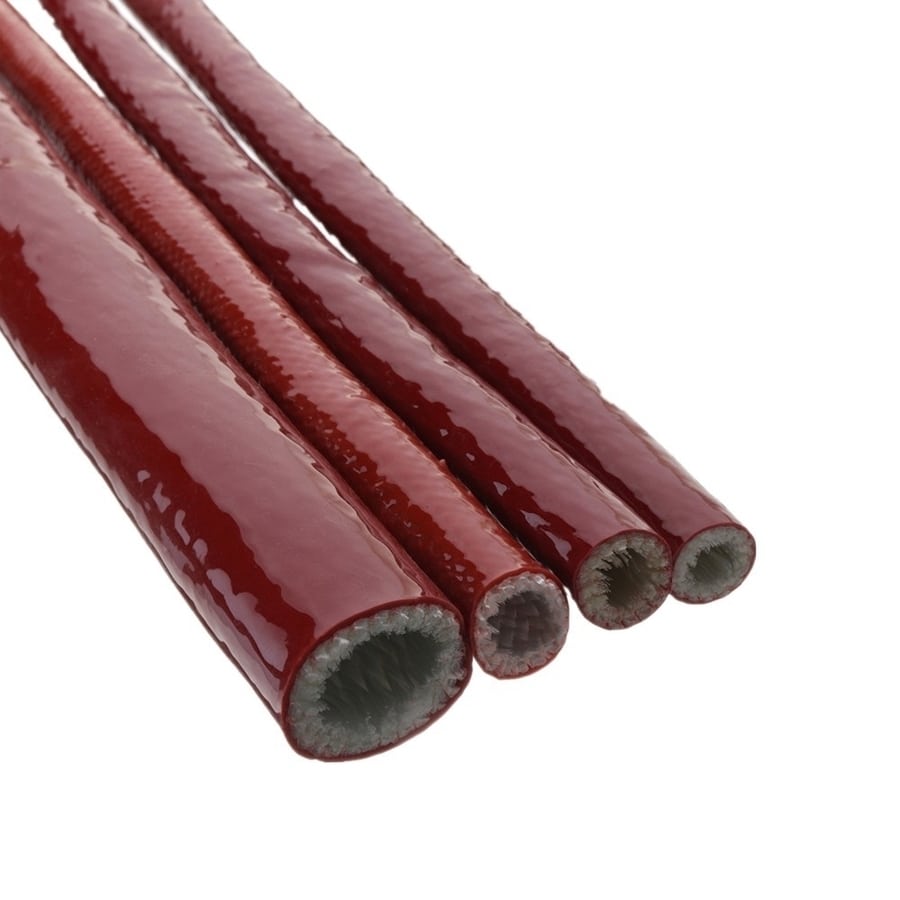
Silicone Coated Sleeves: Silicone-coated hose sleeves offer superior flexibility and heat resistance, often used in extreme temperature conditions. These sleeves can handle temperatures up to 500°F (260°C) and are especially effective in environments where hoses are exposed to continuous high temperatures.
Polyester and Nylon Sleeves: These synthetic fabric sleeves are designed for abrasion resistance and can be used in both low- and high-pressure hydraulic systems. Polyester and nylon sleeves are lightweight, flexible, and resistant to chemicals, making them ideal for use in industrial applications where wear and tear are prevalent.
Kevlar Sleeves: Kevlar, known for its strength and cut resistance, is used in hydraulic hose sleeves where protection from extreme abrasion or impact is needed. These sleeves are perfect for high-pressure, heavy-duty applications, such as construction or mining equipment.
Thermoplastic Sleeves: Thermoplastic hydraulic hose sleeves are designed for environments where chemical and abrasion resistance are a priority. They are lightweight, flexible, and can be used in a wide range of industries, including manufacturing, agriculture, and food processing.
Aluminized Sleeves: Aluminized hydraulic hose sleeves are made with an aluminized layer that reflects heat and provides exceptional protection against radiant heat. These sleeves are commonly used in exhaust systems and other high-heat environments.
Selecting the Right Hydraulic Hose Sleeve
When selecting a hydraulic hose sleeve, it’s crucial to consider the following factors:
Temperature Resistance: Ensure the sleeve material is rated for the maximum temperature your hydraulic system will experience. Different materials offer different temperature tolerances, so choose accordingly.
Abrasion Resistance: Consider the amount of abrasion the hose will be subjected to. If the hose is routed through rough terrain or confined spaces, choose a sleeve material that offers the highest abrasion resistance.
Chemical Exposure: If the hose will come into contact with oils, solvents, or other chemicals, select a sleeve made from chemically resistant materials.
Pressure Containment: In high-pressure applications, a burst-resistant sleeve can help prevent damage and leaks. Some sleeves are designed specifically to contain leaks and bursts, which adds an extra layer of safety.
Ease of Installation: Look for sleeves that are easy to install and remove, especially in maintenance-intensive applications. Velcro, zippers, or split-sleeve designs can facilitate quick and hassle-free installation.
Flexibility and Weight: Depending on the environment and the hose's movement, you may need a sleeve that is flexible enough to allow for the necessary range of motion without adding too much weight to the system.
How to Install Hydraulic Hose Sleeves
Installing hydraulic hose sleeves is a relatively simple process, but it requires careful attention to ensure full protection:
Clean the Hose: Before installing the sleeve, clean the hydraulic hose to remove any dirt, oil, or debris. This ensures that the sleeve will fit securely and prevent any contaminants from damaging the hose.
Select the Correct Sleeve: Choose the appropriate sleeve for your application based on the factors discussed earlier (temperature, abrasion, chemical exposure, etc.).
Slip the Sleeve Over the Hose: For most sleeve types, you can slip the sleeve over the hose and secure it with the provided closure mechanism (Velcro, zippers, or clips).
Trim the Sleeve: If necessary, trim the sleeve to the correct length, ensuring that it covers the entire hose length that needs protection.
Secure the Ends: Fasten the ends of the sleeve to prevent it from sliding off or shifting during operation. Ensure the sleeve is properly aligned and covers the most vulnerable areas of the hose.
Maintaining Hydraulic Hose Sleeves
While hydraulic hose sleeves provide significant protection, it’s important to inspect and maintain them regularly to ensure their effectiveness:
Inspect for Damage: Check the sleeves for signs of wear, such as cuts, abrasions, or heat damage. Replace any sleeves that are compromised.
Clean the Sleeves: Regularly clean the sleeves to remove dirt, grease, or chemicals. This can help prolong the life of both the sleeve and the hose.
Replace When Necessary: If a sleeve becomes damaged or no longer provides adequate protection, replace it promptly to avoid compromising the hydraulic system’s integrity.
Conclusion
Hydraulic hose sleeves are a simple yet highly effective solution for extending the life and reliability of hydraulic systems. By protecting hoses from abrasion, heat, chemical exposure, and pressure surges, these sleeves play a critical role in minimizing downtime and preventing costly repairs. When selecting the right sleeve for your application, consider the specific needs of your hydraulic system, including temperature resistance, abrasion protection, and ease of installation. With proper maintenance, hydraulic hose sleeves can ensure long-term durability and optimal performance for your machinery and equipment.