#Product Trends
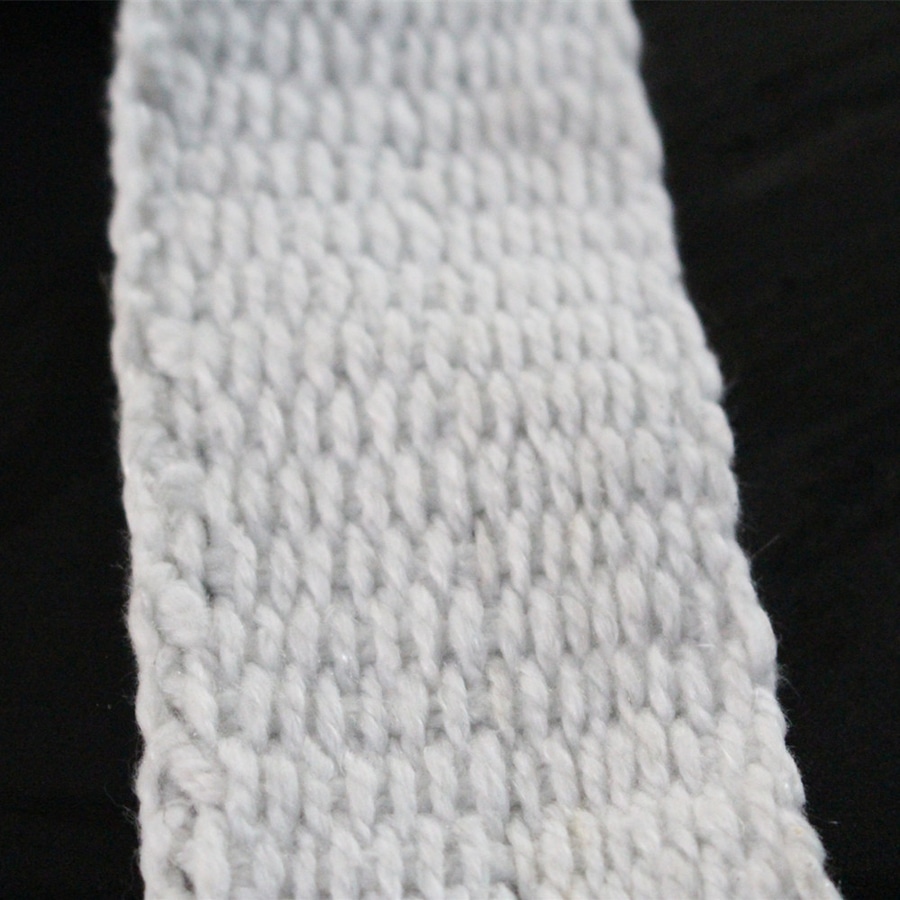
ceramic fiber tape is also named ceramic woven tape
ceramic fiber tape
Ceramic Fiber Tape (Ceramic Woven Tape): Overview and Applications
Composition and Structure:
Ceramic fiber tape, also known as ceramic woven tape, is crafted from inorganic, non-metallic ceramic fibers woven into a flexible fabric. The weaving process enhances strength and adaptability, allowing it to conform to various shapes while maintaining integrity under stress.
Key Properties:
High-Temperature Resistance: Withstands extreme temperatures up to approximately 1260°C (2300°F), ideal for environments prone to thermal shock.
Low Thermal Conductivity: Provides effective insulation, reducing heat transfer.
Chemical and Abrasion Resistance: Maintains performance in corrosive or mechanically stressful settings.
Flexibility and Tensile Strength: Combines pliability for easy installation with durability to resist tearing.
Applications:
Industrial: Used in furnaces, kilns, and power plants for insulation and sealing.
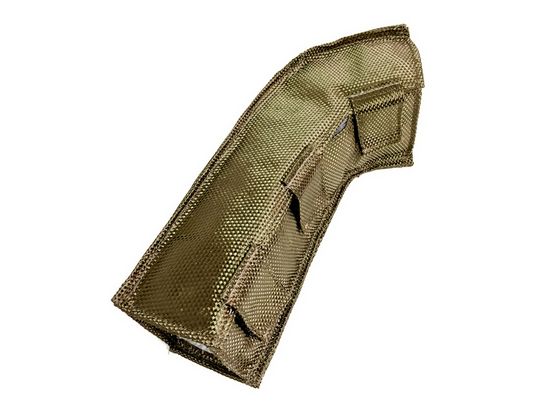
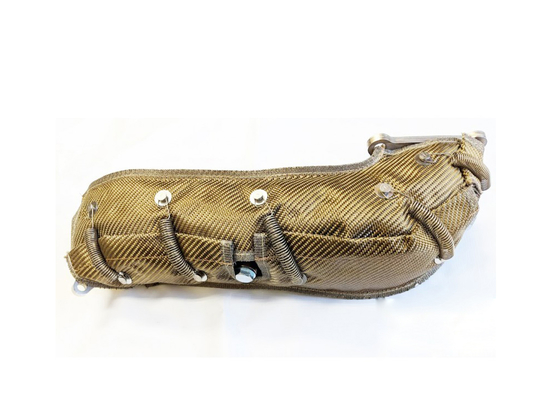
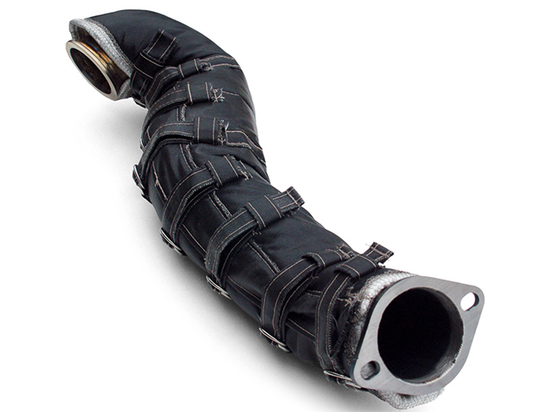
Automotive/Aerospace: Wraps exhaust systems and protects components from heat.
Metalworking/Foundries: Insulates pipes, valves, and equipment in high-temperature processes.
Safety Considerations:
Handling Precautions: Fibers may pose inhalation risks; use PPE (masks, gloves) during installation.
Installation Stability: Once secured, fibers are typically bound, minimizing airborne risks.
Variants and Features:
Available in adhesive or non-adhesive forms, with varying widths/thicknesses.
Binders may be used during manufacturing but often degrade at high temps, leaving pure ceramic structure.
Limitations:
Higher cost compared to some insulating materials.
Potential for fiber degradation over time, requiring periodic inspection.
Conclusion:
Ceramic woven tape is a versatile, high-performance solution for thermal management in demanding industrial and engineering contexts, balancing flexibility with robust heat resistance. Proper handling ensures safety and maximizes its longevity in applications.