#Product Trends
ceramic fiber cloth widly used for heat protection
ceramic fiber cloth
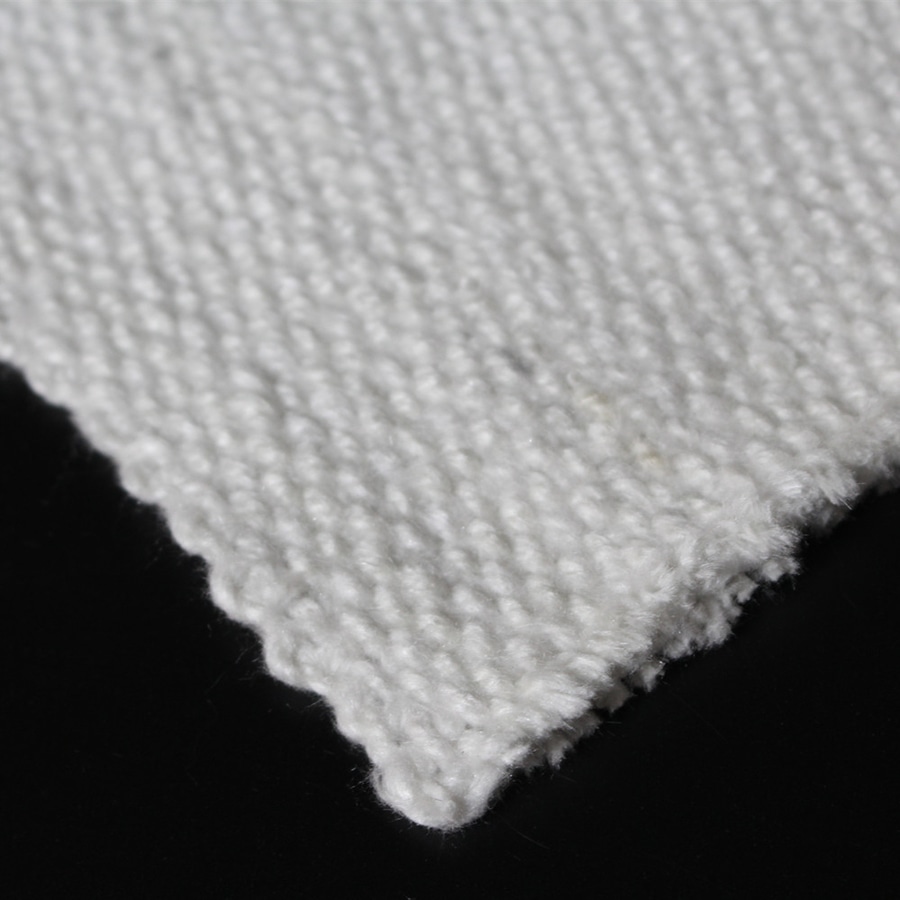
Ceramic fiber cloth is a versatile material widely used for heat protection due to its unique properties and adaptability in high-temperature environments. Here's a structured overview of its characteristics, applications, and considerations:
Key Properties:
High-Temperature Resistance: Composed primarily of alumina-silica, it withstands temperatures up to 1260°C (2300°F), making it suitable for extreme heat conditions.
Low Thermal Conductivity: Provides excellent insulation by minimizing heat transfer.
Lightweight and Flexible: Easier to handle and install compared to rigid ceramics, allowing use in complex shapes and dynamic applications.
Chemical Stability: Resists corrosion from oils, acids, and alkalis, ideal for harsh industrial environments.
Thermal Shock Resistance: Maintains integrity under rapid temperature changes.
Common Applications:
Industrial Insulation: Used in furnaces, kilns, boilers, and pipelines to conserve energy and protect equipment.
Welding and Foundries: Protective blankets, curtains, and shields to contain sparks and molten metal splatter.
Fire Protection: Fire blankets, emergency exits, and fire-resistant barriers in buildings.
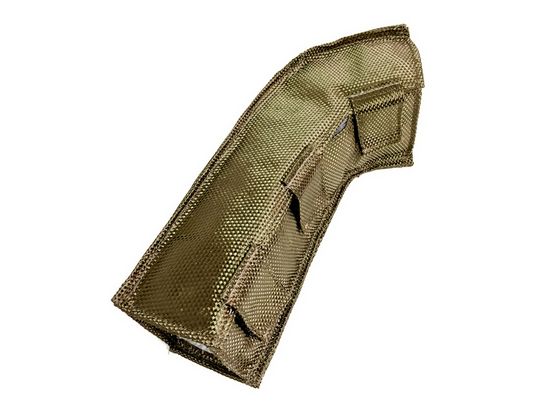
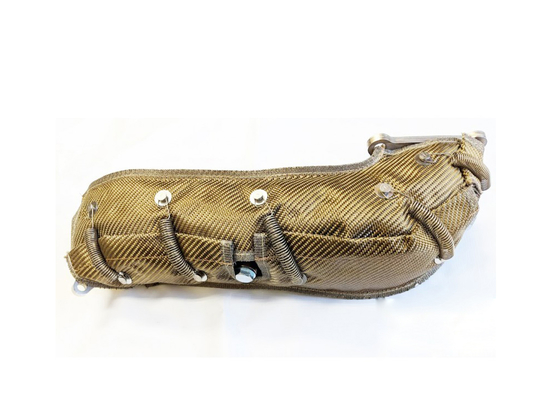
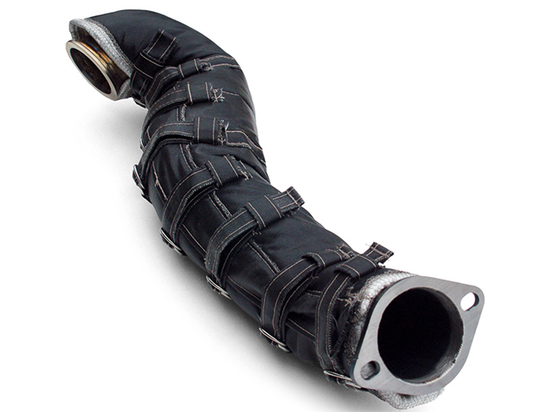
Aerospace and Automotive: Insulation for engines, exhaust systems, and turbochargers.
Personal Protective Equipment (PPE): Heat-resistant clothing, gloves, and aprons for workers in high-risk environments.
Advantages Over Alternatives:
Superior Heat Tolerance: Outperforms fiberglass (500°C limit) and serves as a safer replacement for asbestos.
Durability: Retains strength and flexibility even after prolonged exposure to heat.
Customizability: Available in various thicknesses and densities for tailored solutions.
Health and Safety Considerations:
Inhalation Risks: Airborne fibers can pose respiratory hazards; proper PPE (masks, gloves) and ventilation are essential during handling.
Handling Precautions: Follow OSHA/NIOSH guidelines to minimize exposure. Some products may include binders that degrade at high temps, requiring pre-use heat treatment.
Limitations:
Brittleness Over Time: Prolonged thermal cycling may reduce flexibility.
Cost: Generally more expensive than fiberglass but justified by performance in extreme conditions.
Conclusion:
Ceramic fiber cloth is a critical material in industries requiring reliable heat protection. Its blend of flexibility, insulation, and resilience makes it indispensable despite needing careful handling. Innovations in fiber technology continue to enhance its safety and efficacy, solidifying its role in high-temperature applications.