#Product Trends
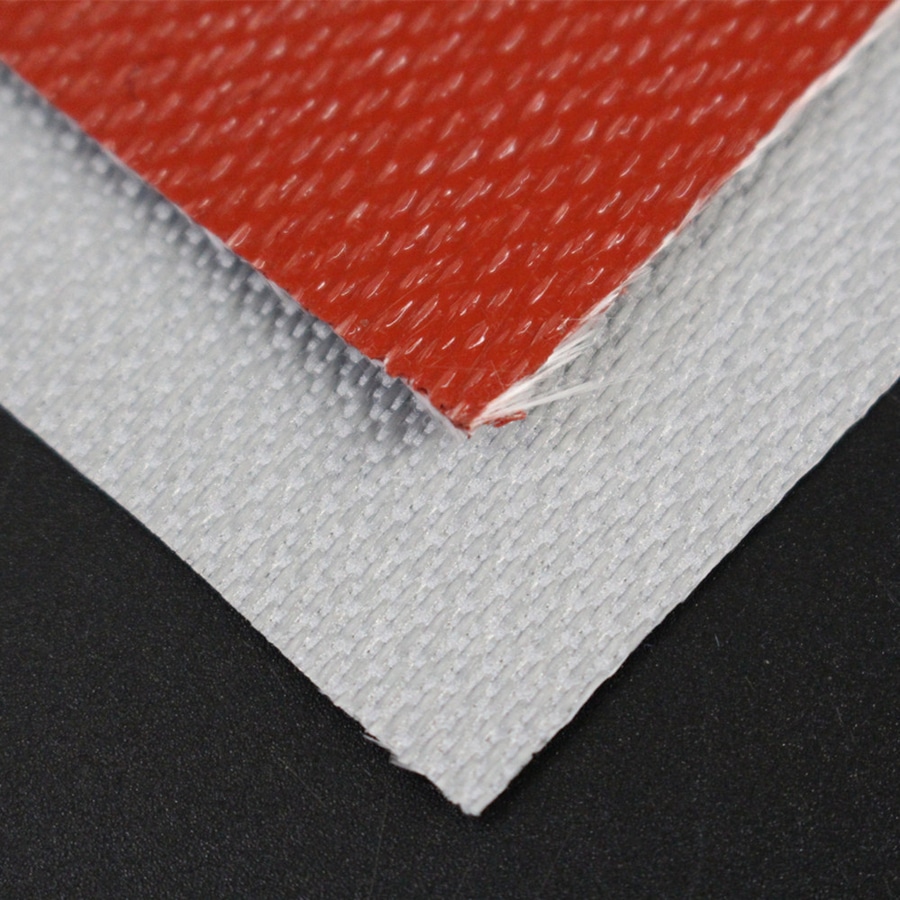
Silicone coated glass cloth
Silicone coated glass fibre cloth
Silicone-Coated Glass Cloth: An Overview
1. Composition & Manufacturing:
Base Material: Woven fiberglass (glass fibers) provides strength and high-temperature resistance.
Coating: Silicone polymer applied via dipping, spraying, or calendaring, then cured to form a flexible, protective layer.
2. Key Properties:
Temperature Resistance: Withstands up to 300°C (silicone) and higher (fiberglass substrate).
Chemical & UV Resistance: Resists moisture, oils, acids, and UV degradation.
Flexibility & Durability: Maintains integrity under stress; abrasion-resistant.
Electrical Insulation: Non-conductive, suitable for electrical applications.
3. Common Applications:
Industrial: Welding blankets, fire curtains, expansion joints, machinery covers.
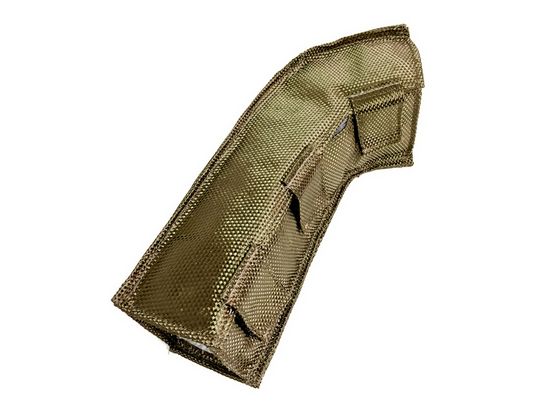
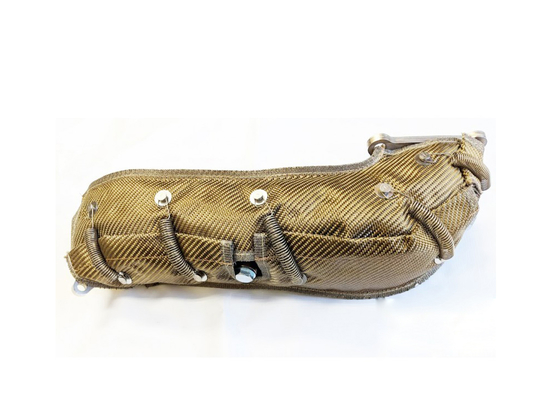
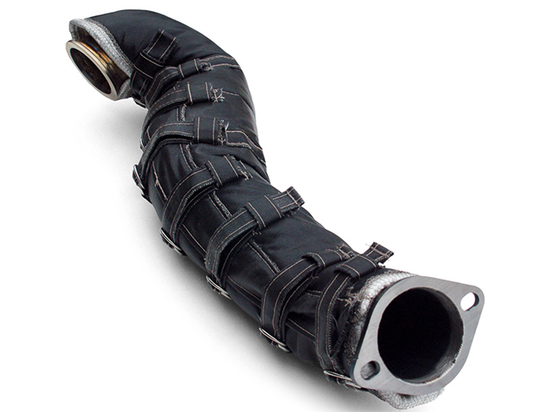
Aerospace/Automotive: Heat shields, gaskets.
Construction: High-temperature insulation, architectural membranes.
Specialized Uses: Solar panel components, release liners.
4. Advantages Over Alternatives:
vs. PTFE/PVC: Superior flexibility and higher temperature tolerance.
vs. Uncoated Fiberglass: Enhanced durability, waterproofing, and reduced skin irritation.
5. Considerations:
Cost: Generally higher than uncoated or PVC-coated fabrics.
Handling: Potential fiber shedding if damaged; use gloves during installation.
Environmental Impact: Limited recyclability due to composite nature.
6. Standards & Safety:
Certifications: UL recognition, ASTM E84 (fire resistance), MIL specs for military uses.
Safety: Generally inert silicone; avoid extreme heat fumes and handle damaged materials cautiously.
7. Example Products:
Welding Blankets: Protect surroundings from sparks.
High-Temperature Hoses: Flexible, heat-resistant tubing.
Fire Curtains: Used in buildings for compartmentalizing fire.
Conclusion: Silicone-coated glass cloth is a versatile composite material ideal for demanding environments requiring heat resistance, flexibility, and durability. Its applications span multiple industries, leveraging the synergistic properties of silicone and fiberglass. When selecting, consider specific operational needs and safety protocols.