#Product Trends
Ceramic Fibre Cloth 2mm 1000°C
CERAMIC FIBRE TEXTILES
Ceramic Fibre Cloth 2mm 1000°C: Overview and Key Considerations
1. Composition and Structure
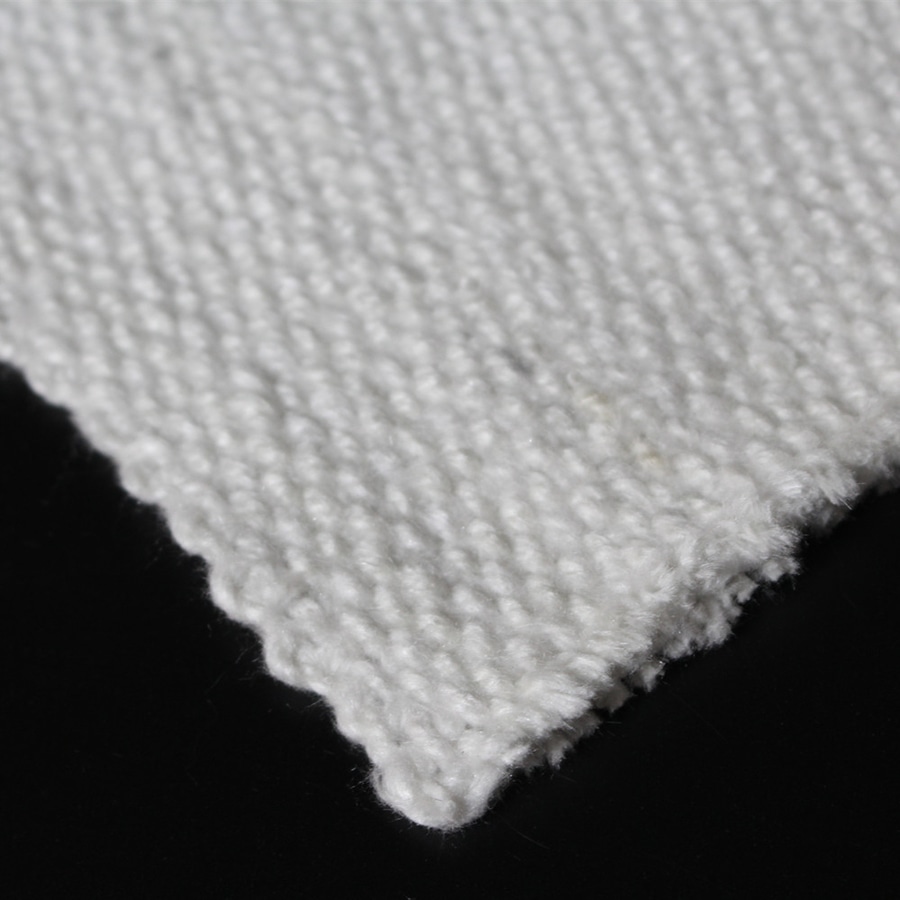
Material: Made from alumina-silicate ceramic fibers, known for high-temperature resistance.
Form: Flexible, woven textile with a thickness of 2mm, balancing thinness and durability.
2. Thermal Properties
Temperature Resistance: Withstands up to 1000°C, suitable for extreme heat applications.
Insulation: Low thermal conductivity ensures effective heat insulation, reducing energy transfer.
3. Applications
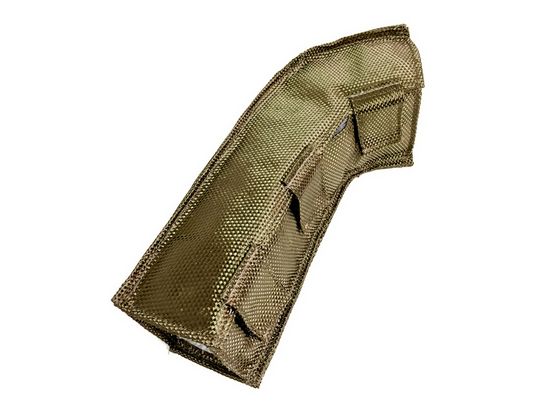
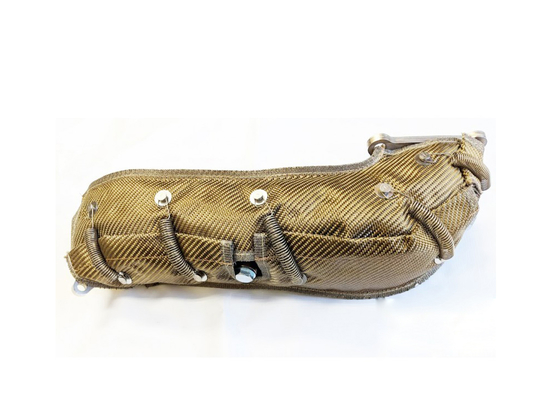
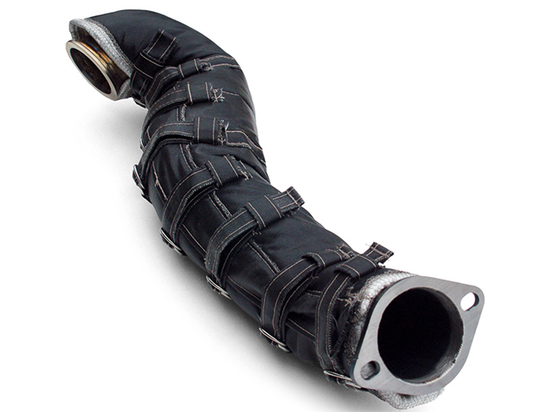
Industrial Uses: Furnace linings, gaskets, welding blankets, pipe insulation, and expansion joint covers.
Protective Gear: Fire-resistant curtains, protective clothing, and aerospace/automotive heat shields.
Flexibility: Ideal for wrapping irregular shapes or components undergoing thermal expansion.
4. Safety and Handling
Health Precautions: Potential airborne fibers during cutting; use masks/ventilation to avoid inhalation risks.
Material Safety: Some ceramic fibers may be carcinogenic; check safety data sheets for compliance.
5. Comparative Advantages
Vs. Fiberglass/Silica: Higher temperature tolerance (1000°C vs. 500–600°C for fiberglass).
Chemical Resistance: Inert nature resists corrosion in harsh industrial environments.
6. Mechanical and Functional Properties
Durability: Moderate tear resistance; may require reinforcement for high-stress applications.
Installation: Can be cut, sewn, or clamped, offering versatility in use.
7. Environmental and Cost Factors
Cost: Higher than fiberglass but justified for extreme heat needs.
Disposal: Requires careful handling due to potential hazardous fiber content; recycling challenges.
8. Maintenance
Inspection: Regular checks for wear, especially under mechanical stress or cyclic heating.
Conclusion
Ceramic Fibre Cloth 2mm 1000°C is a critical material in high-temperature industries, offering unmatched thermal insulation and flexibility. While its cost and safety considerations require attention, its performance in extreme conditions makes it indispensable for specialized applications. Proper handling and application ensure both efficacy and safety.