#Product Trends
What is silica welding blanket and what is it used for?
silica welding blanket
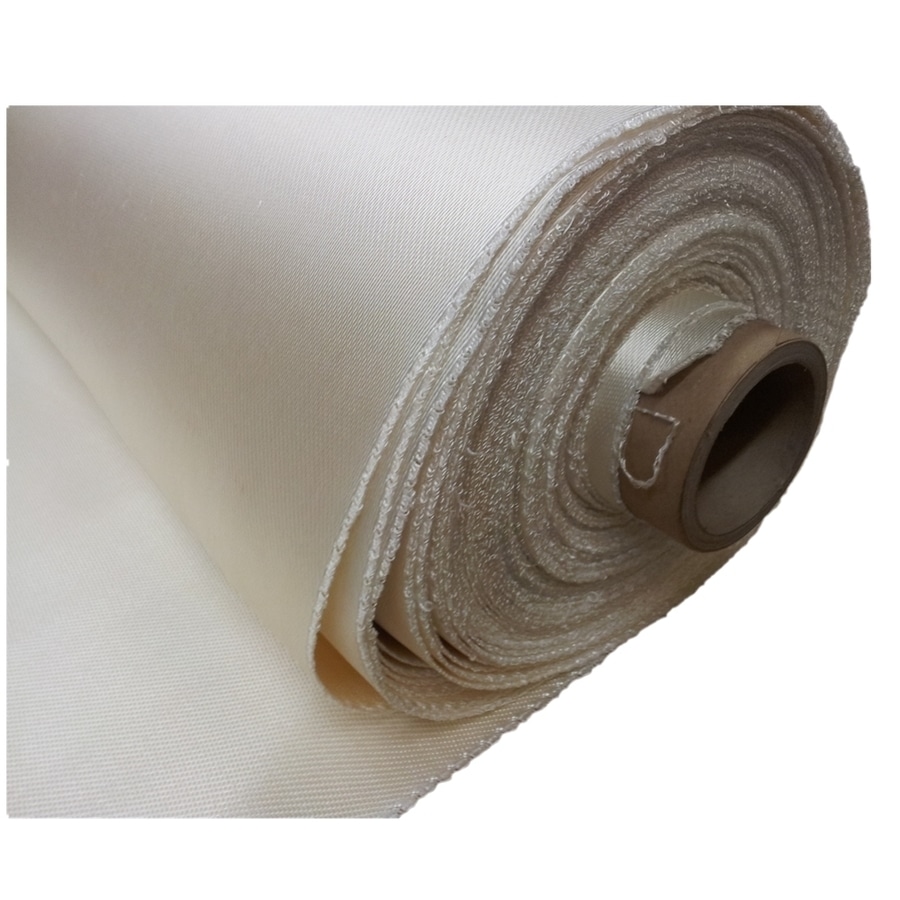
A silica welding blanket is a specialized protective device crafted from silica fibers (silicon dioxide, SiO₂), known for their exceptional heat resistance and durability. Here's a detailed breakdown:
Key Features:
Material Composition:
Made from high-purity silica fibers, often woven into a flexible fabric.
Can withstand extreme temperatures (typically up to 1800°F–2300°F / 1000°C–1260°C), outperforming standard fiberglass or leather blankets.
Thermal Properties:
High Heat Resistance: Retains structural integrity even at prolonged exposure to intense heat.
Low Thermal Conductivity: Minimizes heat transfer, protecting underlying surfaces.
Physical Traits:
Lightweight, flexible, and easy to drape over equipment or surfaces.
Resistant to molten metal splatter, sparks, abrasion, and many chemicals.
Reusable and durable for long-term use.
Primary Uses:
Welding/Metalworking: Shields workers, floors, and machinery from sparks, slag, and UV radiation during welding, cutting, or grinding.
Foundries/Forges: Protects areas from molten metal spills or extreme heat in industrial furnaces.
Fire Prevention: Acts as a barrier to prevent ignition of flammable materials nearby.
Emergency Situations: Used to smother fires or contain heat in hazardous environments.
Industries:
Common in shipbuilding, automotive repair, construction, aerospace, and heavy manufacturing where high-temperature processes are routine.
Safety Considerations:
Silica fibers in these blankets are typically amorphous (non-crystalline), posing minimal health risk if intact. However, damaged blankets should be handled carefully to avoid airborne fibers.
Complies with industrial safety standards for heat/flame resistance (e.g., OSHA, NFPA).
Advantages Over Alternatives:
Superior temperature tolerance compared to fiberglass or carbon-based blankets.
Flexibility and reusability make it cost-effective for demanding environments.
In essence, a silica welding blanket is a critical safety tool in high-heat applications, combining resilience and protection to mitigate fire risks and equipment damage.