#Product Trends
Why Choose a Braided Aramid Sleeve for High-Temperature and High-Wear Environments
Braided Aramid Sleeve for High-Temperature and High-Wear Environments | BSTFLEX
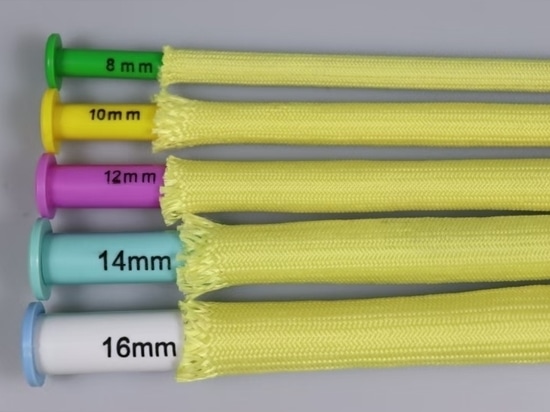
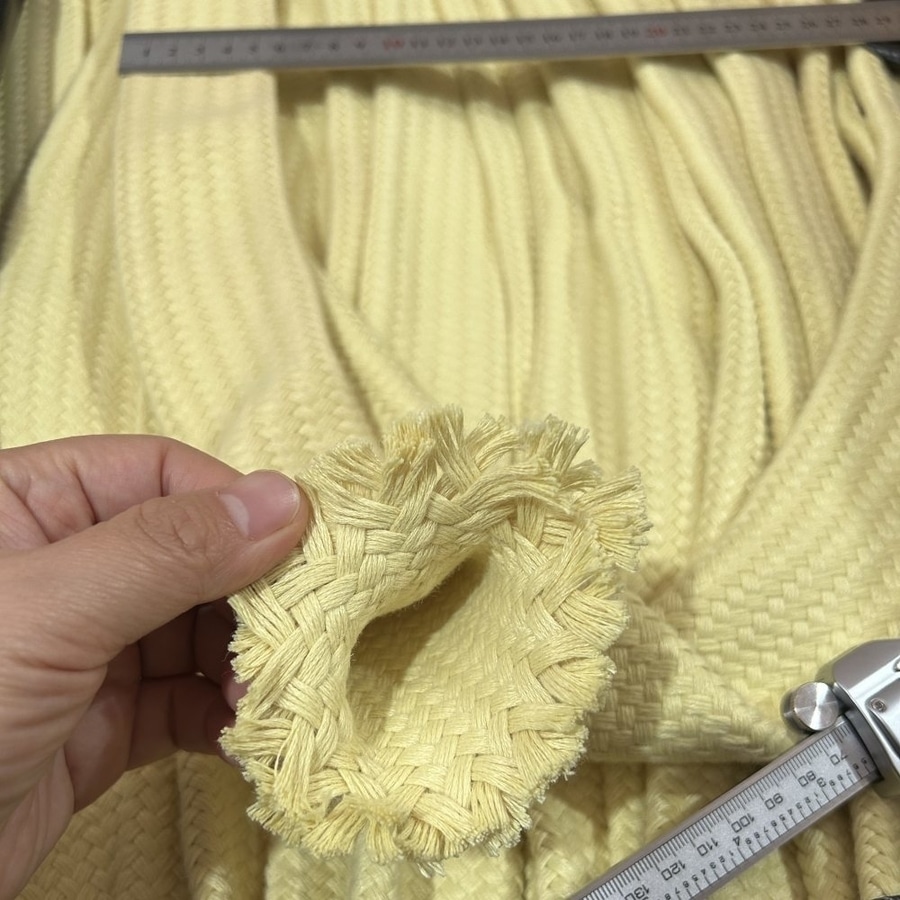
In many industrial and automotive applications, hoses, cables, and tubing are exposed to extreme heat, friction, and mechanical wear. Failure of these components can result in costly downtime, safety hazards, and equipment damage. A braided aramid sleeve offers a reliable solution, providing superior protection against heat and abrasion while maintaining flexibility and long-term performance. Choosing the right protective sleeve is essential for systems operating under harsh conditions.
Understanding the Challenges
High-temperature and high-wear environments pose multiple risks for hydraulic hoses, fuel lines, electrical cables, and fluid transfer systems:
Thermal Degradation: Continuous exposure to heat can weaken materials, causing cracks, leaks, or melting.
Abrasion and Mechanical Wear: Friction from vibration, contact with machinery, or rubbing against surfaces can quickly damage unprotected hoses and cables.
Chemical Exposure: Oils, fuels, and industrial fluids can deteriorate conventional protective materials.
Safety Risks: Damaged hoses and cables can cause system failures, fires, or operational hazards.
How Braided Aramid Sleeves Address These Challenges
A braided aramid sleeve is specifically designed to withstand these extreme conditions. Its unique properties make it an ideal choice for high-demand environments:
1. Exceptional Heat Resistance
Aramid fibers maintain structural integrity at continuous temperatures up to 260°C, withstanding short-term spikes to even higher levels. This ensures that hoses and cables remain protected, even when installed near engines, exhaust systems, or industrial furnaces.
2. Superior Abrasion Protection
The tightly woven braided structure forms a durable barrier that shields components from friction and mechanical wear. This reduces the risk of insulation damage, leaks, and premature hose or cable failure.
3. Chemical and Flame Resistance
Braided aramid sleeves resist oils, fuels, hydraulic fluids, and most industrial chemicals. Their flame-retardant nature further enhances safety, making them suitable for applications where fire or heat exposure is a concern.
4. Lightweight and Flexible Design
Despite its toughness, the sleeve is lightweight and flexible. It can be routed easily around complex assemblies and hoses without adding significant bulk or restricting movement, making installation simple and efficient.
5. Long-Term Cost Savings
By protecting hoses and cables from wear and heat, braided aramid sleeves reduce maintenance frequency, minimize downtime, and extend the operational lifespan of critical components. This translates into long-term cost efficiency and improved system reliability.
Typical Applications
BSTFLEX braided aramid sleeves are widely used in environments that require high-temperature and high-wear protection, including:
Automotive and Motorsport: Protecting fuel lines, hydraulic hoses, and wiring harnesses near engines and exhaust systems.
Aerospace: Shielding critical cables and hydraulic lines in aircraft systems where vibration and heat are prevalent.
Industrial Machinery: Guarding hydraulic and pneumatic hoses, control cables, and electrical lines in manufacturing plants, robotics, and heavy equipment.
Energy and Power Systems: Protecting cables and hoses near turbines, generators, and industrial furnaces.
Why BSTFLEX Braided Aramid Sleeves Stand Out
BSTFLEX produces high-quality braided aramid sleeves that meet rigorous industrial standards. Our sleeves are manufactured from premium aramid fibers using precise braiding technology, ensuring consistent density, strength, and durability. Custom sizes, braid patterns, and coatings are available to meet specific application needs, providing optimized protection in every environment.