#Product Trends
Case Study: Improving Safety and Efficiency with Aluminized Fiberglass Fabric
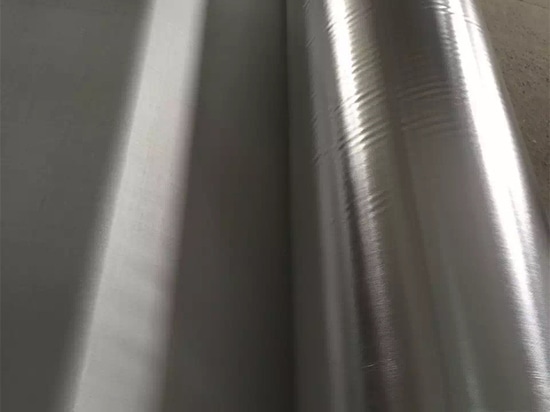
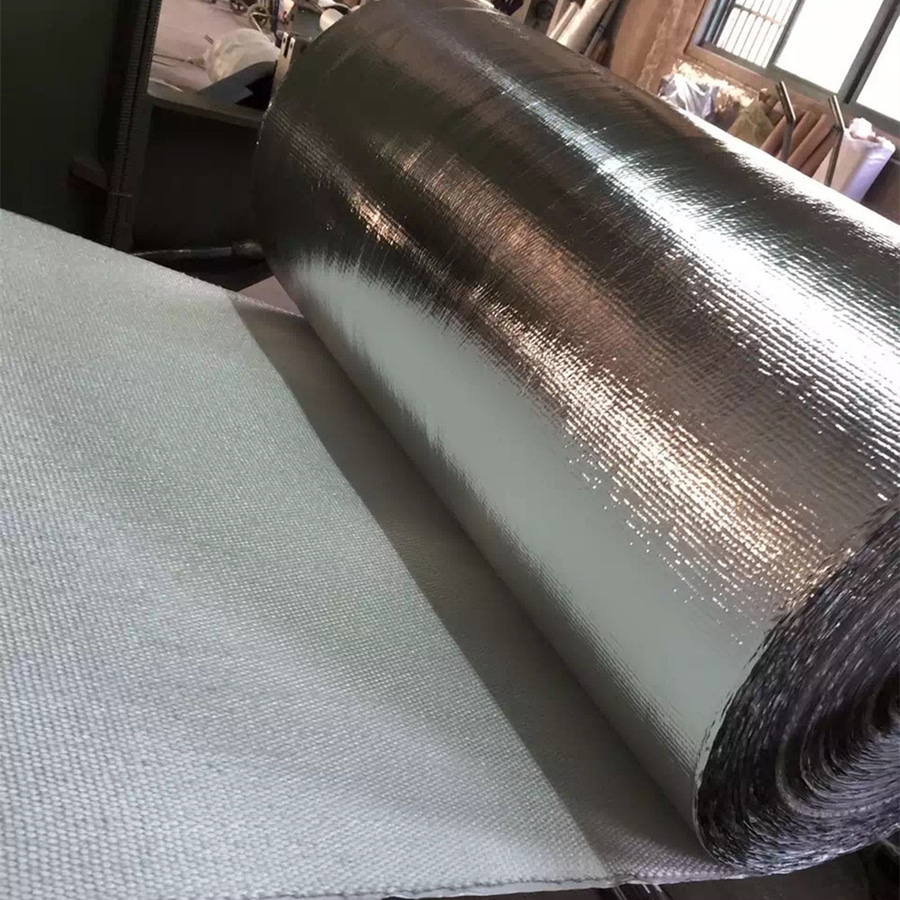
Aluminized Fiberglass Fabric
In industrial operations, safety and efficiency are critical. High temperatures, fire hazards, and corrosive environments pose significant risks to both equipment and personnel. Aluminized fiberglass fabric has emerged as a reliable solution, providing exceptional protection in demanding conditions. This case study explores real-world applications, demonstrating how this advanced material enhances operational safety and efficiency.
The Challenge
A leading industrial manufacturer faced recurring issues with overheating machinery and heat-sensitive components. Frequent exposure to high-temperature exhaust and chemical environments caused premature wear and increased maintenance costs. Additionally, traditional insulation methods failed to adequately protect workers from heat-related hazards. The company needed a solution that combined durability, heat resistance, and fire safety.
The Solution
The manufacturer implemented aluminized fiberglass fabric as a protective solution across their high-temperature systems. The material’s reflective aluminum coating deflects radiant heat, while the fiberglass base provides structural strength and thermal resistance. Its inherent fire-retardant and corrosion-resistant properties made it suitable for both equipment insulation and protective covers for personnel-accessible areas.
Key implementation areas included:
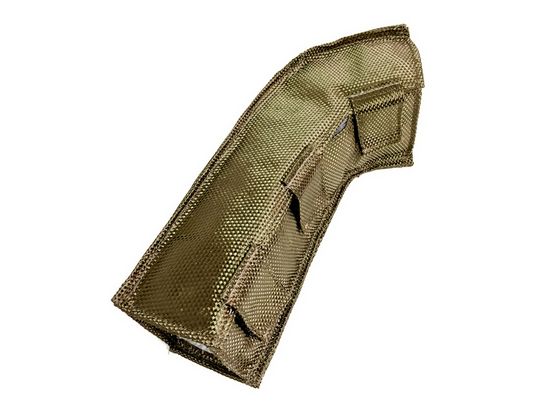
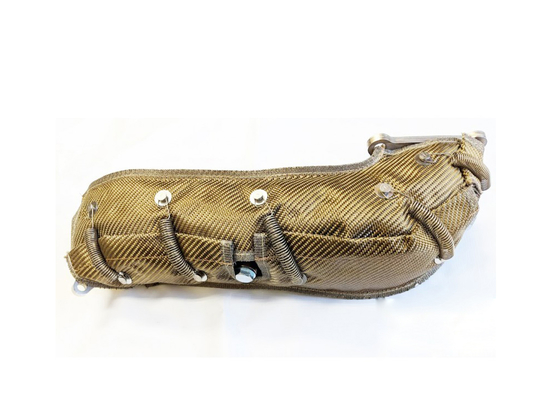
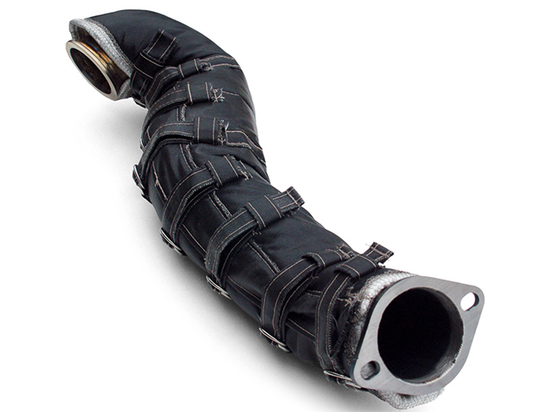
Exhaust Systems: Wrapping exhaust pipes and components to reduce surface temperatures and minimize heat transfer.
Industrial Ducting: Lining ducts carrying high-temperature air or gases to protect surrounding equipment and structures.
Protective Barriers: Installing fabric shields in areas with potential fire hazards to enhance worker safety.
Results
After deploying aluminized fiberglass fabric, the manufacturer observed significant improvements:
Temperature Reduction: Surface temperatures of critical machinery decreased, reducing the risk of heat-related damage.
Enhanced Fire Safety: No fire incidents occurred in the protected zones, demonstrating the material’s fire-retardant capabilities.
Corrosion Resistance: Equipment exposed to chemical vapors and moisture remained intact, lowering maintenance needs and extending operational lifespan.
Operational Efficiency: Reduced downtime due to thermal or fire-related damage increased overall productivity and minimized repair costs.
Customer Feedback
Plant engineers reported that aluminized fiberglass fabric was easy to handle and install, even around complex machinery. Its flexibility allowed precise fitting, and the durability of the material provided long-term protection, reinforcing confidence in both safety and performance.