#Product Trends
Top Tips to Maximize the Lifespan of Aluminized Fiberglass Fabric in Industrial Settings
Aluminized Fiberglass Fabric
Aluminized fiberglass fabric is widely used in industrial environments for its superior heat resistance, fire retardancy, and corrosion protection. To ensure long-lasting performance and reliability, proper storage, handling, and maintenance are essential. This guide provides actionable tips to help industrial professionals extend the lifespan of aluminized fiberglass fabric while maintaining safety and efficiency.
1. Proper Storage Techniques
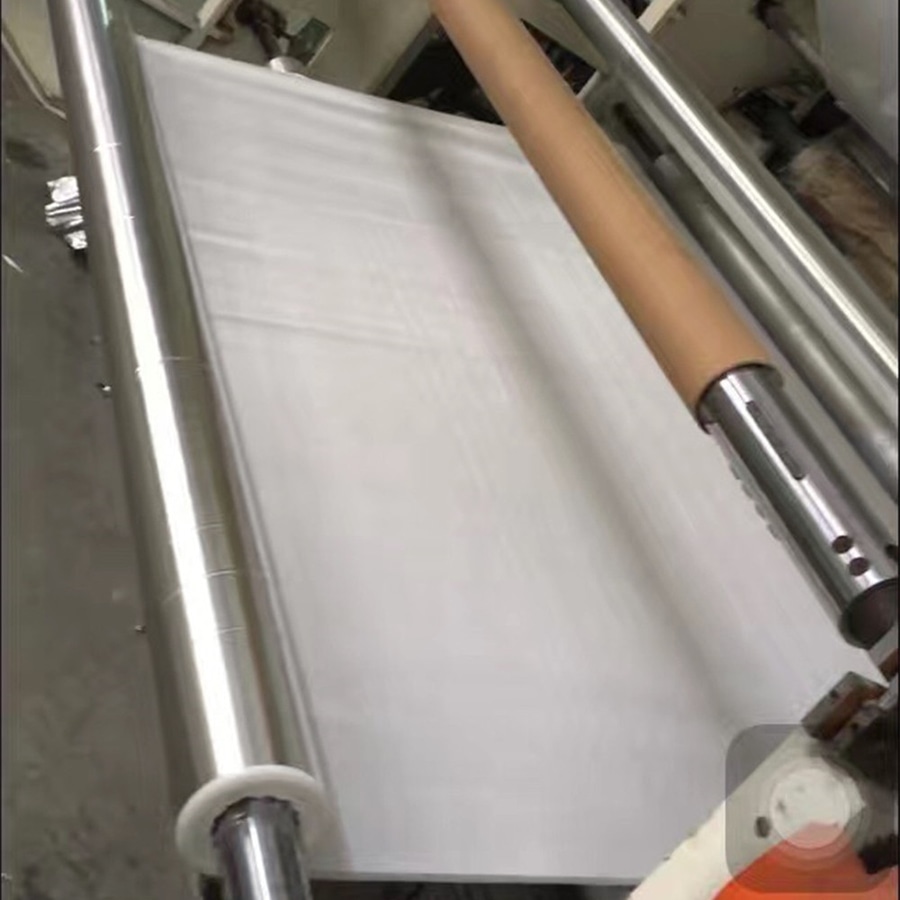
Correct storage is the first step in preserving the integrity of aluminized fiberglass fabric. Keep the material in a clean, dry area away from direct sunlight and moisture. Avoid stacking heavy objects on top of rolls or sheets, as this can cause deformation or damage to the aluminum coating. Using protective covers or packaging can prevent dust and chemical contamination during storage.
2. Careful Handling Practices
During installation or movement, handle the fabric with care to prevent tears, scratches, or punctures. Wear protective gloves to avoid oils or contaminants from transferring to the surface. Always lift rather than drag rolls or panels across rough surfaces to maintain the aluminum coating and fiberglass base.
3. Routine Cleaning
Industrial environments can expose aluminized fiberglass fabric to dust, oil, and chemical residues. Regular cleaning ensures optimal performance. Use a soft brush or low-pressure air to remove loose debris. For more thorough cleaning, gently wipe the surface with a damp cloth and mild detergent, avoiding harsh chemicals or abrasive tools that could damage the reflective coating.
4. Inspect and Repair
Regular inspections help identify early signs of wear, corrosion, or damage. Look for fraying edges, scratches, or areas where the aluminum coating may be compromised. Minor damages can often be repaired using compatible adhesives or patch materials designed for high-temperature fiberglass fabric. Prompt repairs prevent small issues from becoming major failures.
5. Minimize Exposure to Extreme Conditions
Although aluminized fiberglass fabric is designed for high-temperature and harsh environments, unnecessary exposure to extreme conditions can shorten its lifespan. Where possible, reduce direct contact with chemicals, moisture, or prolonged mechanical stress. Consider adding protective barriers or secondary insulation layers in the most challenging areas.
6. Proper Installation and Usage
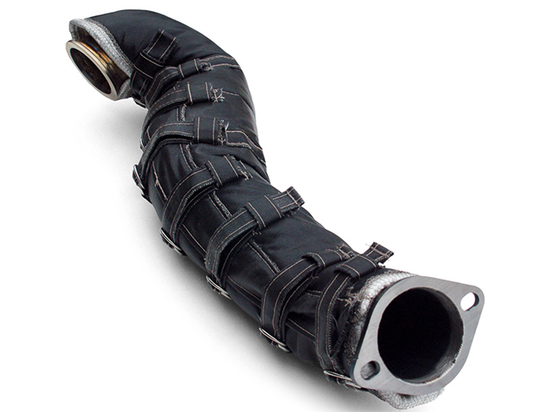
Correct installation is key to maximizing durability. Ensure the fabric is wrapped, fastened, or mounted according to manufacturer guidelines. Avoid sharp folds or excessive tension, which can weaken the material. Proper alignment around pipes, ducts, and machinery not only improves performance but also extends longevity.