#Product Trends
Where Are Braided Aramid Sleeves Used in Automotive and Industrial Wiring Systems?
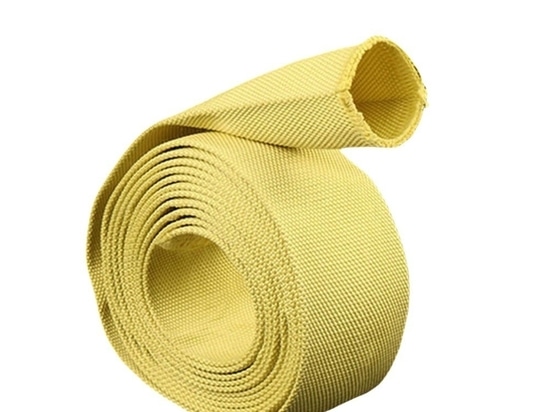
aramid sleeve
Modern equipment is becoming more compact, more powerful, and more electrically complex. As a result, wiring systems are exposed to increasingly challenging conditions, including high temperatures, continuous vibration, mechanical friction, chemical exposure, and limited installation space.
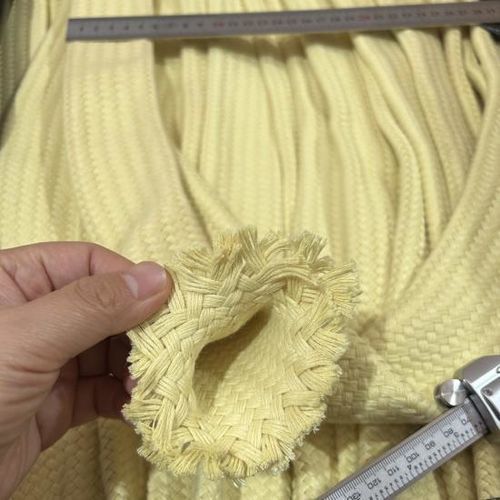
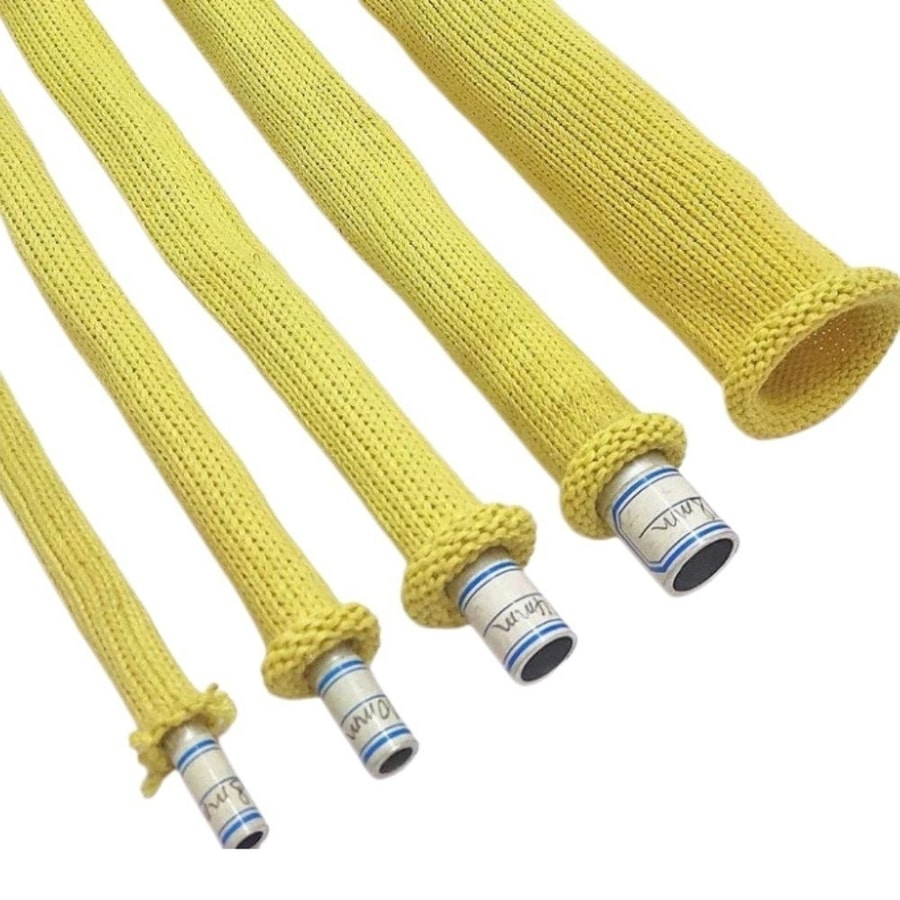
A braided aramid sleeve provides a high-performance protection solution for cables, wire harnesses, hoses, and sensitive components by combining thermal resistance, abrasion protection, flexibility, and lightweight construction.
Unlike conventional cable sleeves designed only for organization, aramid sleeves are selected for applications where wiring reliability directly affects equipment performance and service life.
1. Automotive Engine Harness Protection
The automotive engine compartment is one of the most demanding environments for electrical wiring.
Engine harnesses are exposed to:
High temperatures from exhaust systems and engines
Continuous vibration during vehicle operation
Contact with metal brackets and moving components
Oil, fuel, and chemical contamination
Limited installation space
Traditional nylon or polyester sleeves may experience softening, deformation, or accelerated wear in extreme engine zones.
Braided aramid sleeves are used to protect:
Engine wiring harnesses
Sensor cables
Ignition wiring
Fuel system electrical lines
Turbocharger-related wiring
The flexible braided structure allows the sleeve to follow complex routing paths while maintaining strong protection against heat and abrasion.
Typical Automotive Applications
Passenger vehicles
Commercial trucks
Racing and performance vehicles
Construction vehicles
Agricultural machinery
For automotive OEM suppliers, aramid sleeves help improve harness durability and reduce warranty risks caused by cable damage.
2. EV Battery and High-Voltage Cable Protection
The growth of electric vehicles has created new requirements for cable protection.
EV battery systems contain high-voltage cables that must operate safely under:
High current loads
Thermal cycling
Vehicle vibration
Mechanical impact risks
Tight packaging conditions
Braided aramid sleeves are increasingly used in:
Battery pack wiring systems
High-voltage cable assemblies
Motor inverter cable protection
Charging system wiring
Power distribution units
The lightweight construction of aramid helps engineers achieve protection without significantly increasing vehicle weight.
For EV manufacturers and battery system suppliers, aramid sleeving provides an additional protection layer for critical electrical systems.
3. Robotics Arm and Automation Cable Protection
Industrial robots operate with continuous movement, making cable protection a major engineering challenge.
Robot cable systems experience:
Repeated bending cycles
Twisting movement
Constant friction
Fast acceleration and deceleration
Contact with machine structures
Braided aramid sleeves are commonly installed on:
Robot arm cables
Flexible cable bundles
Servo motor wiring
Sensor cables
Automated production equipment
The braided construction provides flexibility while protecting cables from repeated mechanical stress.
This makes aramid sleeves suitable for:
Automotive manufacturing robots
Welding robots
CNC equipment
Semiconductor production equipment
Industrial automation systems
4. Aerospace Cable Routing Systems
Aerospace applications require materials that combine:
Low weight
High strength
Flame resistance
Long service reliability
Cable routing systems in aircraft and aerospace equipment are exposed to:
Temperature variation
Vibration
Limited maintenance access
Strict safety requirements
Braided aramid sleeves are used for:
Aircraft wiring harnesses
Avionics cable protection
Control system wiring
UAV electrical systems
Aerospace equipment assemblies
The excellent strength-to-weight ratio of aramid makes it suitable for applications where every gram matters.
5. Heavy Machinery and Industrial Equipment Wiring
Heavy industrial equipment operates in environments where cables are constantly exposed to mechanical hazards.
Common risks include:
Abrasion against metal surfaces
Hydraulic system heat
Dust and contamination
Strong vibration
Repeated machine movement
Braided aramid sleeves protect:
Hydraulic control wiring
Sensor cables
Power cables
Machine control harnesses
Mobile equipment wiring
Typical industries include:
Mining equipment
Construction machinery
Agricultural equipment
Industrial manufacturing systems
Energy equipment
By extending cable service life, aramid protection helps reduce unexpected downtime and maintenance costs.
Why OEM Engineers Choose Braided Aramid Sleeves
When selecting cable protection materials, engineers usually evaluate five key factors:
Requirement Aramid Sleeve Advantage
Heat protection Maintains performance in high-temperature environments
Abrasion resistance Protects against friction and mechanical wear
Flexibility Fits complex cable routing and tight spaces
Lightweight design Provides high protection without excessive weight
Long service life Reduces replacement frequency and maintenance requirements