#Product Trends
Ceramic Fiber Tape: Ultimate Guide to High-Temperature Insulation Solutions
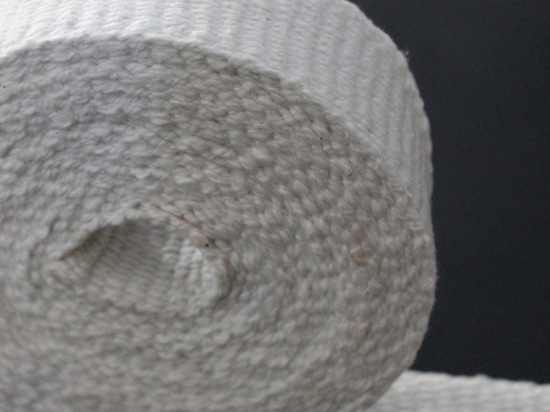
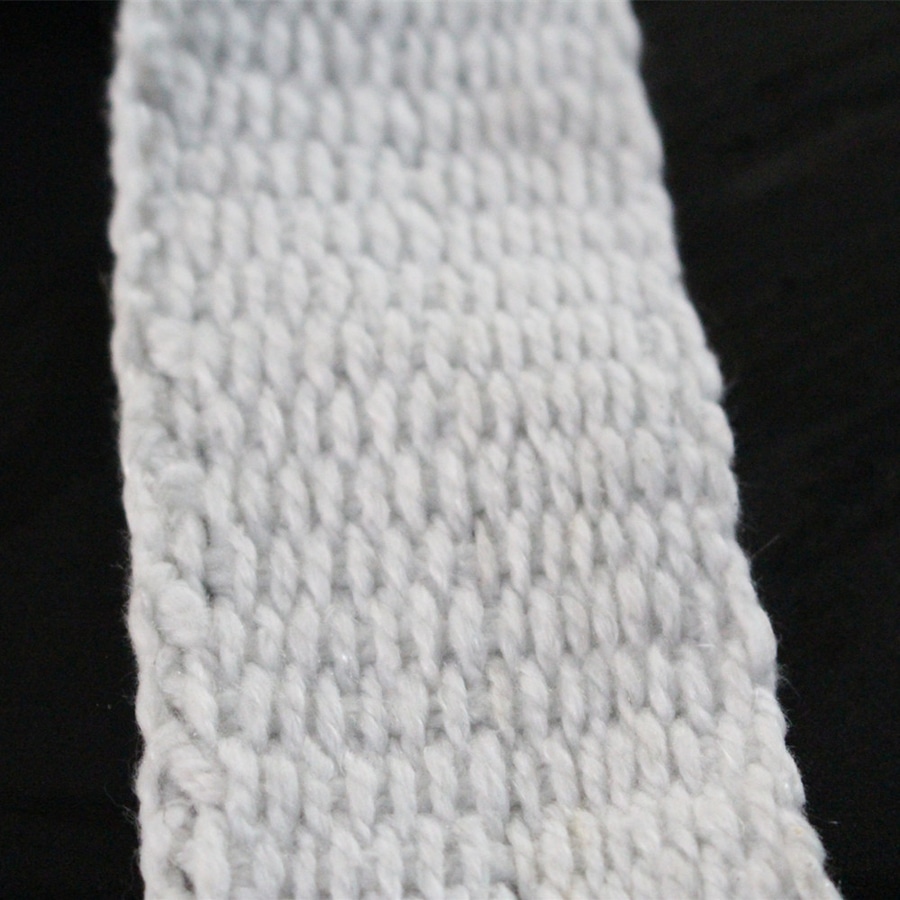
Ceramic Fiber Tape
In industries where heat management is critical, the right insulation material can make all the difference. Ceramic fiber tape has emerged as a leading solution for high-temperature applications, providing exceptional thermal protection, durability, and ease of installation. This comprehensive guide explores the performance, applications, and selection criteria for ceramic fiber tape, helping engineers and procurement specialists make informed decisions.
What Is Ceramic Fiber Tape?
Ceramic fiber tape is a flexible, lightweight insulation material made from high-purity alumina and silica fibers. It is specifically designed to withstand extreme temperatures while maintaining structural integrity. Unlike conventional insulation materials, ceramic fiber tape can endure direct contact with heat sources exceeding 1000°C (1832°F), making it ideal for industrial furnaces, exhaust systems, and thermal sealing applications.
Key Features and Benefits
High-Temperature Resistance: Ceramic fiber tape maintains stability and insulation performance under continuous exposure to high heat. It can withstand rapid temperature fluctuations without cracking or degradation.
Thermal Insulation Efficiency: Its low thermal conductivity reduces heat loss, improving energy efficiency and protecting surrounding equipment and personnel.
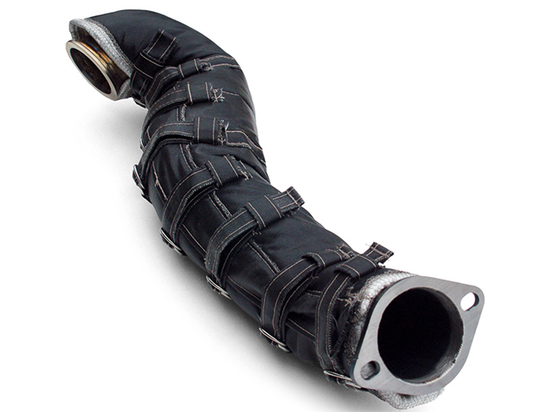
Flexibility and Ease of Use: The tape can be easily wrapped around pipes, flanges, and exhaust components, conforming to irregular shapes without special tools.
Durability and Longevity: Resistant to thermal shock, vibration, and mechanical wear, ceramic fiber tape offers a long service life with minimal maintenance.
Chemical and Corrosion Resistance: Its composition ensures excellent resistance to most industrial chemicals, making it suitable for harsh operational environments.
Common Industrial Applications
Ceramic fiber tape is widely used across various industries where high-temperature insulation is essential:
Industrial Furnaces: Wrapping furnace components to reduce heat loss and improve energy efficiency.
Exhaust Systems: Protecting pipes, ducts, and mufflers in automotive, marine, and power generation equipment.
Pipe Insulation: Insulating high-temperature steam and hot fluid pipes in chemical plants, refineries, and food processing facilities.
Sealing and Gasket Solutions: Forming thermal seals for furnace doors, expansion joints, and equipment enclosures.
How to Choose the Right Ceramic Fiber Tape
Selecting the appropriate ceramic fiber tape depends on several factors:
Temperature Rating: Determine the maximum operating temperature of your application and choose a tape that exceeds this threshold.
Tape Thickness and Width: Thicker tapes offer better insulation but may require more space for installation. Width should match the diameter of the surface being wrapped.
Density and Compressive Strength: Higher-density tapes provide improved structural integrity and resistance to mechanical wear.
Adhesive or Non-Adhesive Options: Some tapes include heat-resistant adhesives for easy installation, while others require mechanical fastening or wire wrapping.
Installation Tips
For optimal performance, follow these installation practices:
Ensure the surface is clean and free of oil, dust, or moisture.
Wrap the tape tightly and overlap edges for maximum thermal protection.
Secure with stainless steel wire or high-temperature fasteners if needed.
Avoid excessive stretching, which can reduce insulation efficiency.