#Product Trends
Fiberglass Insulation Blanket: Key to Energy Efficiency and Safety in High-Temperature Environments
Fiberglass Insulation Blanket
In today’s industries, thermal insulation and fire protection are more than just a matter of convenience—they are essential for improving energy efficiency, safeguarding equipment, and protecting workers. Fiberglass insulation blankets have become an indispensable solution for many sectors, offering high-performance insulation for machinery, pipes, boilers, and more. These blankets not only help maintain ideal temperature conditions but also reduce the risk of fire hazards in high-temperature environments.
In this article, we explore the numerous benefits of fiberglass insulation blanket, their wide range of applications, and how they can help industries optimize both safety and operational efficiency.
Why Fiberglass Insulation Blanket?
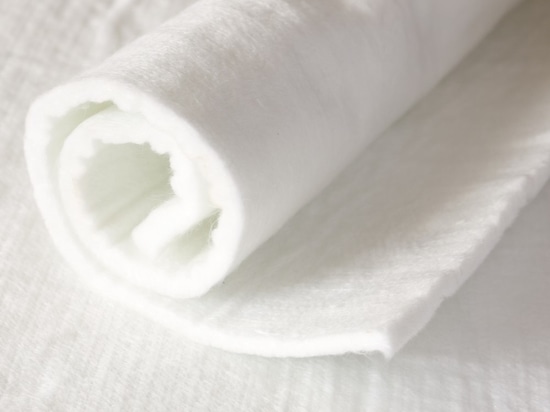
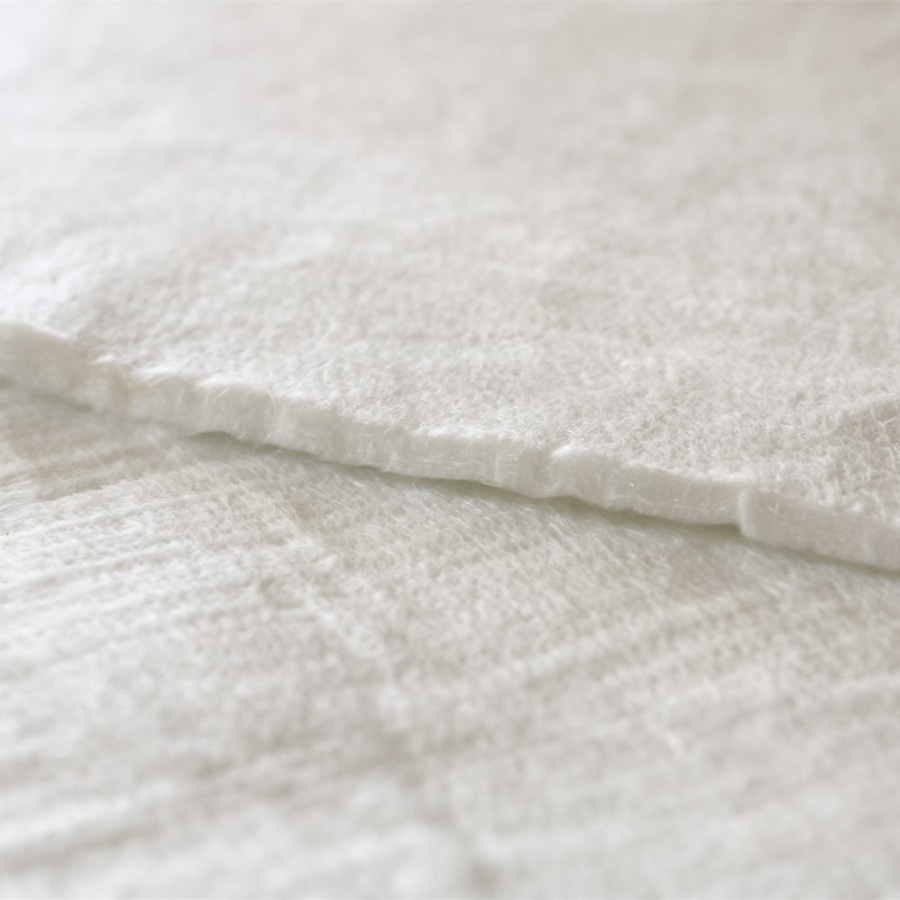
Fiberglass insulation blankets are made of woven fiberglass strands that are bound together into a flexible, nonwoven mat. This mat is then covered with a protective coating for enhanced durability and heat resistance. Thanks to their exceptional properties, fiberglass insulation blankets are widely used in applications where other materials may fail to withstand extreme heat, chemicals, and physical wear.
Let’s take a closer look at the key benefits these blankets provide:
1. Superior Heat Resistance
The ability to resist extreme temperatures is one of the standout features of fiberglass insulation blankets. These blankets can handle temperatures ranging from -40°F to 1000°F (-40°C to 537°C), making them suitable for industries that operate at high heat levels, such as metalworking, welding, and furnace operations.
By maintaining temperature stability, these blankets help to keep equipment running efficiently and reduce energy consumption by limiting heat loss. They also help control the temperature of machinery, preventing overheating and extending equipment lifespan.
2. Effective Fireproofing
Safety is always a top priority in industrial settings. Fiberglass insulation blankets offer excellent fireproofing capabilities, acting as a fire barrier in environments where fire hazards are present. The inherent fire-resistant properties of fiberglass ensure that the material won’t burn, preventing the spread of flames and minimizing the risk of fire-related damage.
In industries like aerospace, automotive, and oil and gas, where high temperatures and fire risks are prevalent, these blankets are a must-have for fire safety and compliance with safety regulations.
3. Energy Efficiency and Cost Savings
In industries with high heat requirements, energy bills can be a significant portion of operational costs. Fiberglass insulation blankets reduce heat loss in systems like boilers, heating pipes, and furnaces, leading to substantial energy savings. By preventing heat from escaping, these blankets help maintain optimal temperatures within equipment, reducing the need for additional energy input and improving overall energy efficiency.
By cutting down on energy use, businesses can lower utility costs and improve cost-effectiveness in the long run.
4. Durability and Longevity
Fiberglass insulation blankets are engineered for durability. These blankets are resistant to moisture, chemicals, and UV rays, ensuring that they hold up even in harsh environments. They can withstand physical wear and tear, abrasion, and vibrations, making them ideal for industries where equipment is exposed to constant movement or physical stress.
This long-lasting performance helps reduce maintenance costs and extends the service life of both the insulation material and the equipment it protects.
Key Applications of Fiberglass Insulation Blankets
Fiberglass insulation blankets are used across a variety of industries. Below are some of the key sectors that benefit from these versatile blankets:
Automotive Industry
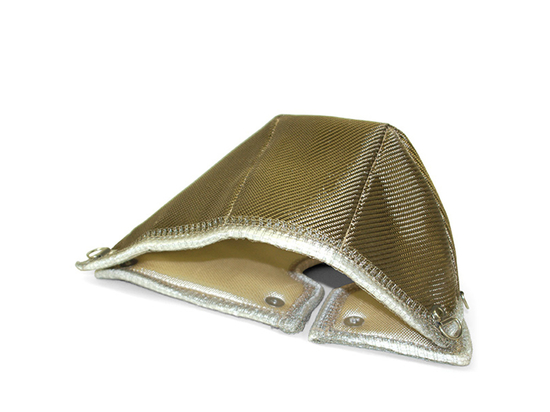
In automotive manufacturing, fiberglass insulation blankets are used to protect engine compartments, exhaust systems, and fuel lines from excessive heat. They help maintain optimal engine temperatures, prevent heat-related damage to components, and improve the thermal management of vehicles.
Aerospace
Fiberglass insulation blankets play a vital role in aerospace applications, where high-performance materials are needed to insulate engines, fuel lines, and exhaust systems. Their heat resistance and fireproofing properties ensure the safety of critical components in aircraft that are exposed to extreme conditions during flight.
Oil and Gas
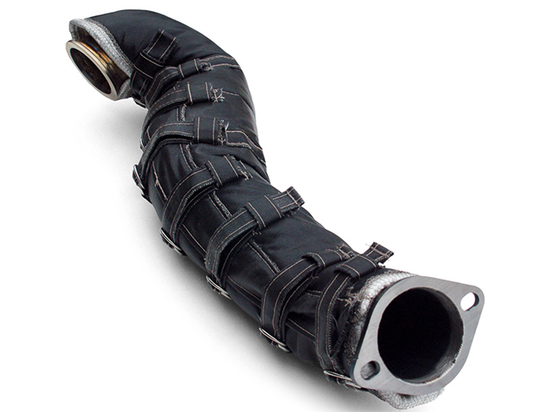
The oil and gas industry relies on fiberglass insulation blankets to protect equipment from heat and fire hazards. These blankets are commonly used to insulate pipes, valves, compressors, and processing equipment, helping to reduce heat loss and improve the safety of operations in harsh environments.
Manufacturing
In manufacturing environments where high temperatures are a constant, such as in furnaces and kilns, fiberglass insulation blankets help maintain heat efficiency and protect sensitive equipment from overheating. They are also used in metalworking, foundries, and other high-heat processes to improve safety and productivity.
Fiberglass Insulation Blankets: The Future of Industrial Protection
As industries continue to evolve, the need for reliable and high-performance materials is increasing. Fiberglass insulation blanket provide cost-effective, safe, and energy-efficient solutions for a wide range of applications. Their ability to withstand extreme temperatures, provide fire protection, and improve energy efficiency makes them a valuable addition to any industrial system.