#Product Trends
Fiberglass Insulation Blanket: The Reliable Choice for Thermal and Fire Protection in High-Temperature Environments
Fiberglass Insulation Blanket
In industries that deal with extreme temperatures, ensuring the safety of both personnel and equipment is of utmost importance. One of the most effective solutions for thermal insulation and fire protection is the fiberglass insulation blanket. These blankets provide unparalleled performance, offering reliable protection against high heat, fire hazards, and energy loss.
Used across a variety of industries, including automotive, aerospace, manufacturing, and construction, fiberglass insulation blankets are essential for maintaining safe and energy-efficient operations. In this article, we will explore the key features and benefits of fiberglass insulation blankets, and why they are becoming an indispensable component in modern industrial processes.
What Are Fiberglass Insulation Blankets?
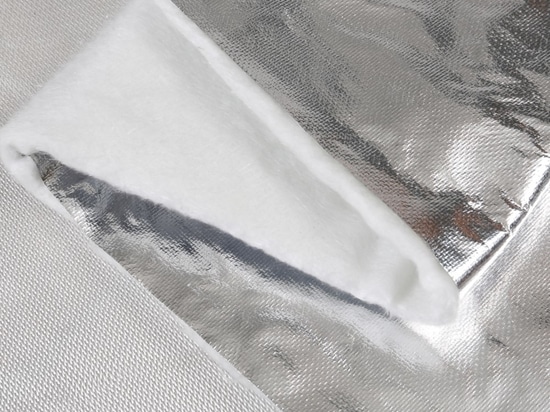
Fiberglass insulation blankets are made from woven fiberglass fibers that are engineered to withstand high temperatures while providing exceptional thermal protection. These blankets consist of a flexible, durable mat that is capable of reducing heat loss or heat gain, improving energy efficiency, and providing a fire-resistant barrier in environments prone to high temperatures.
The fiberglass fibers used in these blankets are known for their excellent heat resistance, strength, and durability. The fibers are often coated with protective materials that enhance their resistance to environmental factors like moisture, UV exposure, and chemicals, ensuring the blankets remain effective over time.
Key Benefits of Fiberglass Insulation Blankets
High-Temperature Resistance
One of the standout advantages of fiberglass insulation blankets is their ability to withstand extreme temperatures. These blankets can resist continuous exposure to temperatures up to 1000°C (1832°F). This makes them ideal for applications such as furnaces, boilers, and engine compartments, where heat levels can fluctuate dramatically.
Fireproof and Fire-Resistant
Safety is a primary concern in high-heat environments, and fiberglass insulation blankets offer fire protection in addition to thermal resistance. Their fire-resistant properties ensure that they can withstand exposure to flames without catching fire, making them an essential safety feature for industries like oil & gas, aerospace, and automotive.
Energy Efficiency
Fiberglass insulation blankets help to reduce heat loss in industrial systems, which in turn improves energy efficiency. For example, in furnaces and heat exchangers, they minimize the need for additional energy input to maintain optimal temperatures. By conserving energy, these blankets help reduce operational costs and enhance the overall sustainability of industrial operations.
Durability and Long-Term Performance
Fiberglass insulation blankets are known for their longevity. Unlike other insulating materials that may degrade over time, fiberglass can maintain its performance under harsh conditions. These blankets are abrasion-resistant, moisture-resistant, and chemical-resistant, ensuring that they continue to function effectively even in challenging environments.
Easy Installation and Customization
Fiberglass insulation blankets are highly flexible, lightweight, and easy to install. They can be easily cut and shaped to fit around various equipment, pipes, and machinery. Their customizable nature allows them to be used in a wide range of applications, making them versatile and adaptable to different industrial needs.
Applications of Fiberglass Insulation Blankets
Fiberglass insulation blankets are essential in industries where temperature control, fire safety, and energy efficiency are critical. Below are some of the most common applications of these blankets:
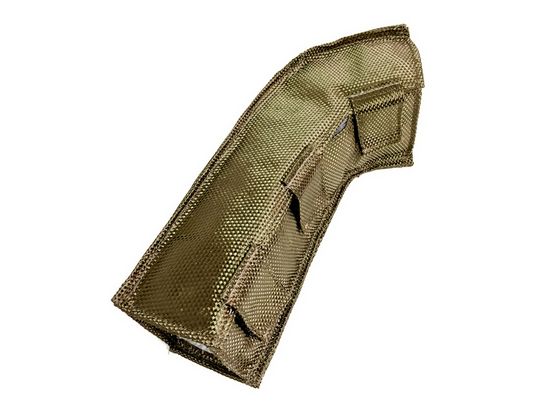
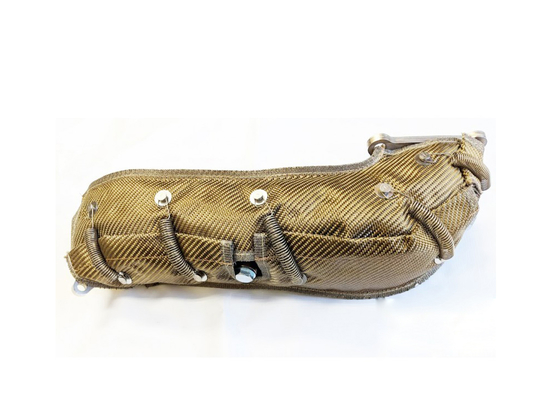
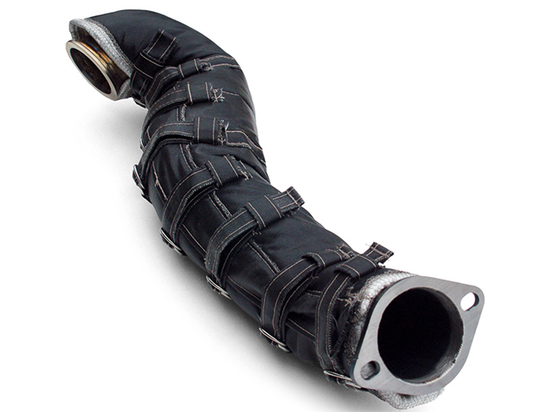
Automotive Industry: Fiberglass insulation blankets are used in engine compartments, exhaust systems, and fuel lines to protect components from heat damage, reduce thermal loss, and improve vehicle safety.
Aerospace: In the aerospace industry, fiberglass insulation blankets are used to insulate aircraft engines, exhaust systems, and electrical wiring. These blankets help maintain optimal temperature conditions and improve aircraft performance under extreme environmental conditions.
Manufacturing: For industries that work with high-temperature machinery, such as metal casting, welding, or chemical processing, fiberglass insulation blankets are used to insulate furnaces, kilns, and boilers, improving efficiency and reducing heat loss.
Oil & Gas: In the oil and gas industry, where equipment is often exposed to high temperatures and hazardous conditions, fiberglass insulation blankets are used for pipe insulation, valve protection, and equipment fireproofing.
Construction: In construction, fiberglass insulation blankets are applied to boilers, welding equipment, and industrial pipes to protect against heat damage and ensure fire safety on the job site.