#Product Trends
Silicone Coated Fiberglass Sleeve: Reliable Thermal and Mechanical Protection for Critical Systems
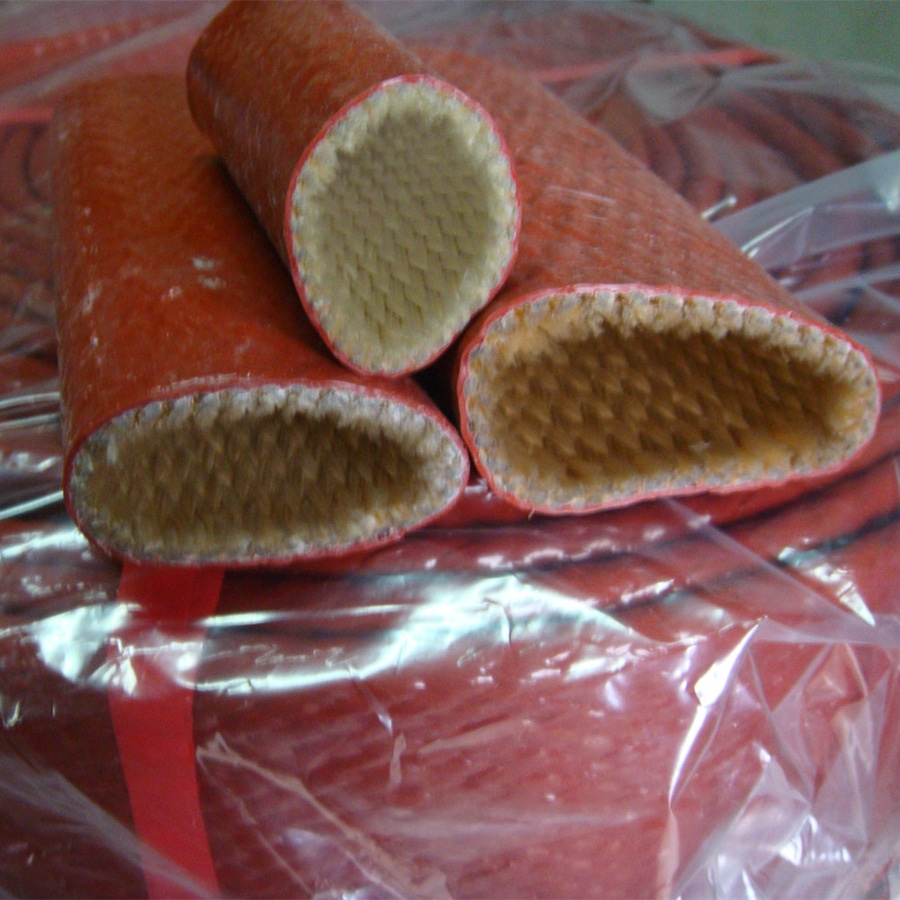
Silicone Coated Fiberglass Sleeve
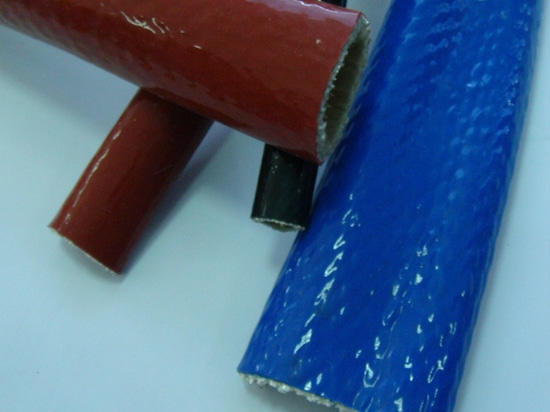
Modern industrial systems operate under increasingly demanding thermal and mechanical conditions. Components such as hoses, cables, and wire bundles are often exposed to intense heat, open flames, abrasion, and chemical splash. A silicone coated fiberglass sleeve is specifically engineered to address these challenges by combining high-temperature fiberglass insulation with a durable silicone rubber coating, creating a protective solution built for long-term performance and safety.
Material Construction and Design Concept
A silicone coated fiberglass sleeve consists of a tightly braided or woven fiberglass core, which is then fully encapsulated with a layer of high-grade silicone rubber. Each material serves a distinct purpose:
Fiberglass layer – Provides excellent thermal insulation and structural stability at elevated temperatures
Silicone coating – Enhances flame resistance, flexibility, abrasion resistance, and environmental durability
This dual-material design allows the sleeve to perform reliably in environments where conventional insulation materials fail.
Functional Performance Advantages
Thermal Insulation Under Continuous Heat
Silicone coated fiberglass sleeves are designed to maintain stability under continuous operating temperatures up to 260°C (500°F), with short-term resistance to even higher thermal exposure. This makes them suitable for routing hoses and cables near engines, exhaust systems, furnaces, or hot process equipment.
By limiting radiant and conductive heat transfer, the sleeve helps protect internal components from thermal degradation and premature failure.
Flame and Fire Resistance
The silicone outer layer forms a self-extinguishing barrier when exposed to flame. In fire-prone environments, the sleeve helps delay heat penetration and reduces the risk of ignition or hose rupture. This feature is especially critical in systems carrying flammable fluids, hydraulic oil, or fuel.
Mechanical and Environmental Protection
Beyond heat resistance, silicone coated fiberglass sleeves offer strong protection against:
Abrasion from vibration or movement
Oil, grease, and common industrial chemicals
Moisture, ozone, and UV exposure
This multi-layer protection ensures consistent performance in both indoor and outdoor installations.
Installation Flexibility and Practical Use
The sleeve’s flexible construction allows it to conform easily to bends, curves, and tight routing paths. It can be installed over hoses or cables during assembly or retrofitted onto existing systems with minimal downtime.
Common installation advantages include:
Easy cutting to custom lengths
Lightweight structure that does not add system stress
Compatibility with clamps, ties, or heat-resistant fasteners
Typical Application Areas
Silicone coated fiberglass sleeves are widely used across industries that demand reliable thermal and fire protection:
Automotive & Transportation
Used to shield fuel lines, brake hoses, sensor wiring, and cable assemblies from engine and exhaust heat.
Industrial Manufacturing
Applied in steel mills, foundries, welding zones, and furnace areas to protect hoses and electrical systems from radiant heat and sparks.
Oil, Gas & Energy
Protects hydraulic lines and control cables in refineries, power plants, and offshore platforms where fire risk and high temperatures are constant concerns.
Aerospace & Defense
Utilized for wire bundles and fluid lines requiring lightweight yet highly fire-resistant insulation.
Marine Equipment
Installed in engine rooms and confined spaces to reduce heat exposure and enhance fire safety.
Operational and Economic Benefits
Using a silicone coated fiberglass sleeve is not just a safety measure—it is a long-term cost control strategy. By reducing heat damage and mechanical wear, the sleeve helps:
Extend service life of hoses and cables
Minimize unplanned downtime
Lower maintenance and replacement costs
Improve overall system reliability
Its durability allows it to outperform many traditional insulation solutions over extended operating cycles.