#Product Trends
How Fire Blankets Help Control Smoke, Sparks and Debris in Battery Incidents
A practical containment approach for lithium battery fires in e-bikes, e-scooters, forklifts, charging areas, and storage spaces
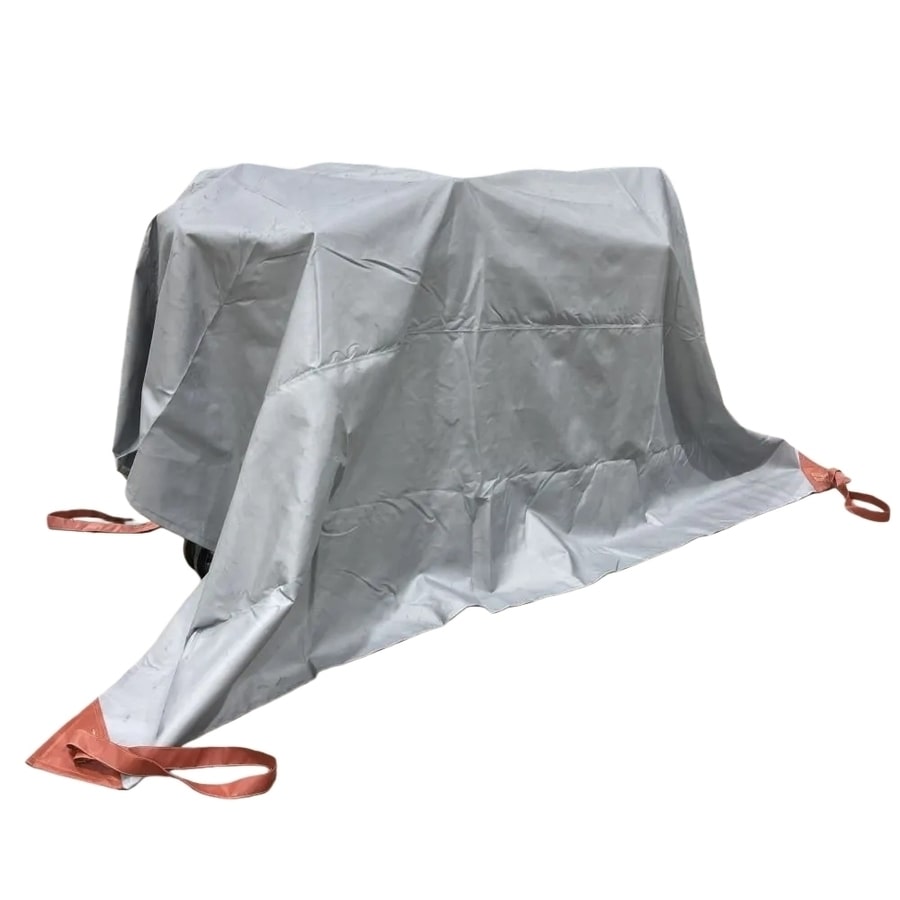
Lithium battery incidents are different from ordinary fire events because they can release intense heat, flames, smoke, sparks, and burning debris in a very short time. In battery-powered equipment such as e-bikes, e-scooters, forklifts, and other electric mobility systems, thermal runaway can quickly create secondary fire hazards for nearby vehicles, walls, charging equipment, stored goods, and enclosed spaces. In these situations, a fire blanket is used as a rapid containment tool to cover and isolate the source, helping reduce flame spread, limit the movement of sparks and hot debris, and support a more controlled emergency response.
Fire blankets used for battery incidents are especially valuable in charging rooms, workshops, warehouses, maintenance areas, parking facilities, fleet environments, and other locations where fast isolation is critical. By covering the affected battery-powered unit or fire source, the blanket can help reduce open flame exposure, slow the spread of burning particles, and create more time for staff or emergency responders to act. While a fire blanket is not a universal substitute for a complete fire suppression strategy, it plays an important role in containment and site protection during the early stage of a battery fire event.
This article explains how fire blankets help control smoke, sparks, and debris in battery incidents, what application scenarios benefit most from containment blankets, and what buyers should consider when selecting a solution for lithium battery storage, charging, industrial handling equipment, and electric mobility safety management.