#Product Trends
Exhaust Blanket vs Exhaust Heat Shield: Which Solution Is Better?
Compare exhaust blankets and exhaust heat shields for controlling radiant heat around pipes, manifolds, mufflers and high-temperature engine components.
Exhaust blankets and exhaust heat shields are both used to control high temperatures around exhaust systems, but they manage heat in different ways. Selecting the correct solution depends on the exhaust component, available installation space, operating temperature, maintenance requirements and the type of heat protection needed.
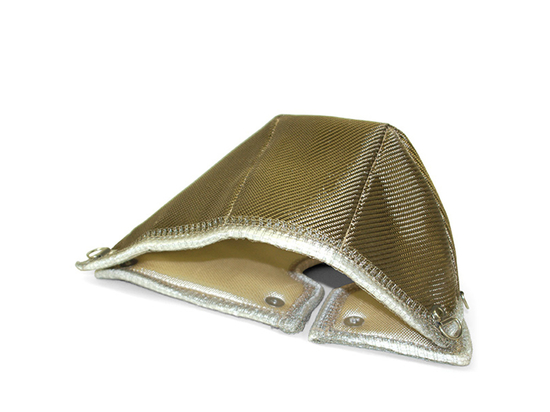
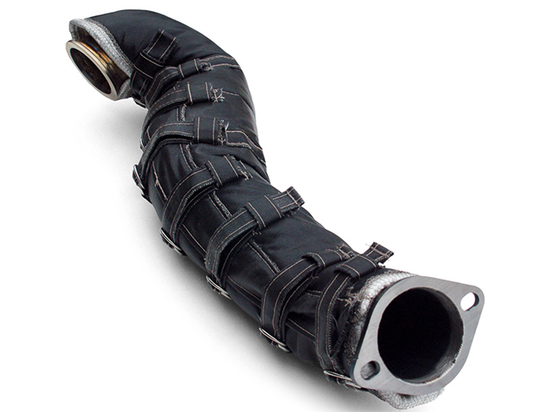
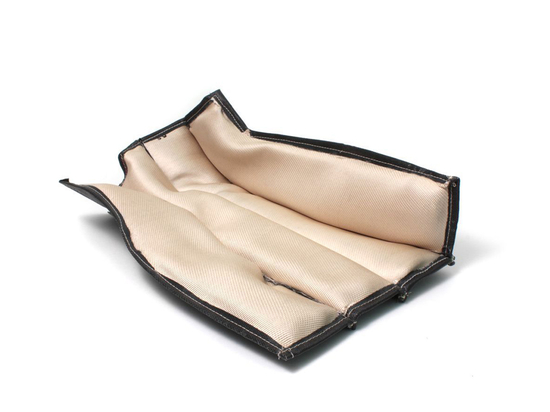
An exhaust blanket is a flexible insulation system installed directly around a hot exhaust component. It normally combines a high-temperature inner fabric, an insulation core and a durable outer layer. The blanket follows the shape of the component and helps limit heat transfer from the exhaust surface to the surrounding area.
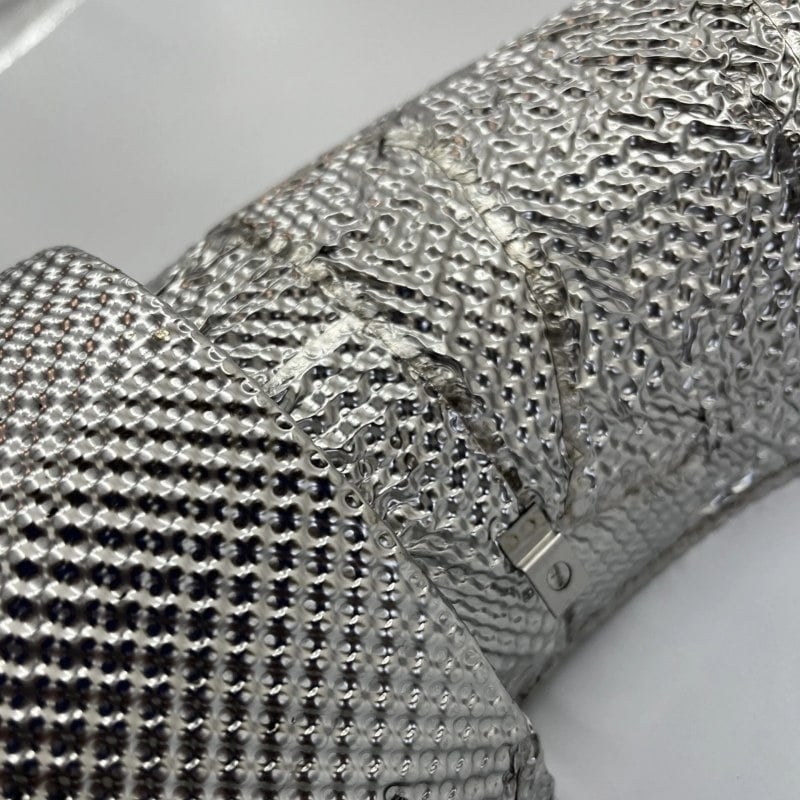
An exhaust heat shield is typically positioned between a hot exhaust component and a heat-sensitive area. Depending on the design, it may use stainless steel, aluminum, embossed metal, reflective materials or insulated composite constructions. Rather than enclosing the exhaust component completely, the shield primarily blocks or redirects radiant heat.
The main difference is therefore the way heat is controlled.
An exhaust insulation blanket provides direct thermal containment around the heat source. It is commonly used where significant surface temperature reduction is required or where radiant heat must be controlled throughout the surrounding engine compartment.
An exhaust heat shield is often selected when the primary objective is to protect a specific nearby component, body panel, cable, fuel line, floor section or other heat-sensitive area from radiant heat.
Exhaust blankets are particularly suitable for:
Diesel engine exhaust pipes
Generator exhaust systems
Marine engine exhaust components
Exhaust manifolds
Turbochargers
Mufflers and silencers
Exhaust elbows
Flexible exhaust connections
Industrial exhaust piping
Heat shields are commonly used around:
Automotive exhaust systems
Exhaust manifolds
Catalytic converters
Mufflers
Underbody exhaust components
Engine compartments
Fuel systems
Electrical wiring
Heat-sensitive body structures
For irregularly shaped exhaust components, a custom exhaust blanket can provide close coverage with fewer exposed hot areas. Removable designs also allow maintenance personnel to remove the insulation during servicing and reinstall it afterward.
A metal or composite exhaust heat shield may be preferable when direct contact with the exhaust component is not practical or when airflow around the component should be maintained. Heat shields can also be designed with an air gap, which helps reduce radiant heat transfer to nearby surfaces.
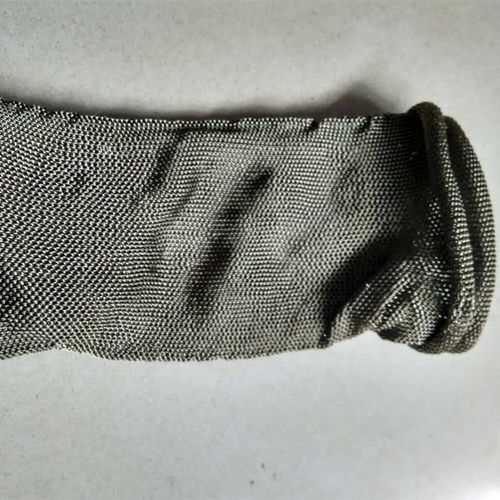
Material selection is another important difference. Exhaust insulation blankets may use silica fabric, fiberglass fabric, ceramic fiber insulation, stainless steel mesh, silicone-coated fiberglass and other high-temperature materials. Exhaust heat shields may use stainless steel, aluminum, embossed metal sheets, reflective foils or multilayer thermal barriers.
In many demanding applications, the best solution is not necessarily one or the other. An exhaust blanket can be used to contain heat at the source, while an additional heat shield protects particularly sensitive components nearby. This combined approach is commonly considered in compact engine compartments, generator enclosures and high-performance exhaust systems.
Engineers comparing an exhaust blanket with an exhaust heat shield should evaluate:
Operating temperature
Required surface temperature reduction
Radiant heat exposure
Distance to nearby components
Available installation space
Component geometry
Vibration
Oil and moisture exposure
Maintenance frequency
Weight limitations
Required service life
If the primary requirement is to insulate an exhaust pipe, manifold, turbocharger or muffler directly, a custom exhaust blanket is generally the more suitable approach. If the objective is to block radiant heat from reaching a specific neighboring component, an exhaust heat shield may provide the more appropriate solution.
BSTFLEX manufactures custom exhaust insulation blankets and high-temperature heat shielding products for automotive, diesel engine, generator, marine and industrial applications. Solutions can be developed according to drawings, component dimensions, samples, operating temperature and installation requirements.
Choosing between an exhaust blanket and an exhaust heat shield should be based on the actual thermal problem rather than product terminology alone. Correctly matching the insulation or shielding method to the application provides more effective heat control, easier maintenance and better protection for surrounding components.