#Product Trends
Fire Sleeve vs Abrasion Sleeve for Hydraulic Hoses
A practical comparison of fire sleeves and abrasion sleeves for hydraulic hoses in high-heat, high-wear, and demanding industrial environments.
Hydraulic hoses are exposed to more than internal pressure. In real operating environments, external threats such as heat, flame, molten splash, rubbing, vibration, hose movement, and mechanical wear can cause hose cover damage, shorten service life, and increase maintenance risk. Two common protection options used in hydraulic systems are fire sleeves and abrasion sleeves. Although both are designed to protect hoses, they are not intended for the same working conditions.
Understanding the difference between these two protection types helps buyers, engineers, and maintenance teams choose the right solution for the actual risk around the hose.
1. What Is a Fire Sleeve?
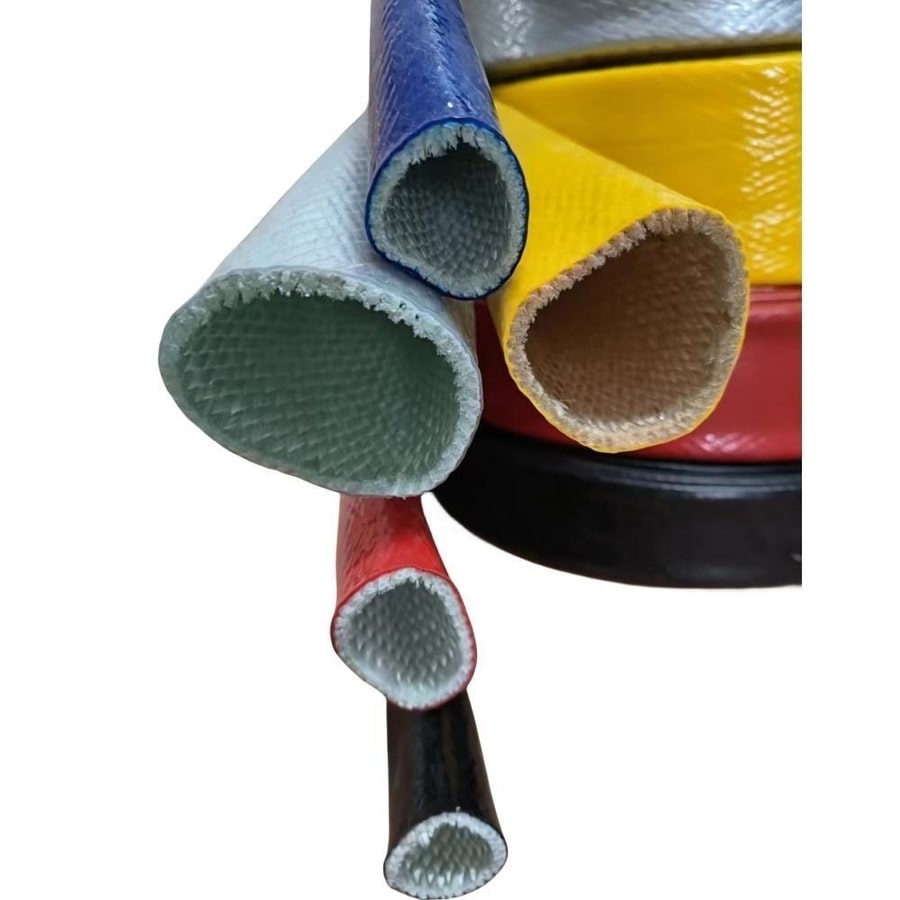
A fire sleeve is a high-temperature protective sleeve designed for hoses, cables, and fluid lines exposed to elevated heat, flame, and molten splash. In hydraulic applications, the most common construction is a silicone-coated fiberglass sleeve, which combines thermal resistance with a protective outer coating.
Fire sleeves are typically used when hydraulic hoses operate:
near engines or exhaust components
around high-temperature industrial equipment
in steel mills, foundries, and glass plants
in areas where sparks, flash heat, or molten splash may occur
The main purpose of a fire sleeve is not just surface wear protection. Its primary role is to shield the hose from thermal hazards.
2. What Is an Abrasion Sleeve?
An abrasion sleeve is a protective sleeve designed mainly to reduce wear caused by rubbing, dragging, vibration, hose movement, and contact with nearby components. It is commonly made from materials such as nylon, polyester, aramid, or other abrasion-resistant textile constructions.
Abrasion sleeves are generally used where the hose is exposed to:
repeated rubbing against metal edges or brackets
contact with adjacent hoses
mechanical wear from vibration and movement
bundling friction in compact routing areas
external scuffing in mobile equipment
The primary purpose of an abrasion sleeve is to protect the hose cover from physical wear, not from direct flame or severe heat.
3. The Main Difference: Heat Protection vs Wear Protection
The most important difference is the type of risk each sleeve is designed to manage.
Fire sleeve
Best for:
high temperature exposure
radiant heat
flame contact
molten splash
severe thermal environments
Abrasion sleeve
Best for:
rubbing and chafing
dragging and scuffing
hose-to-hose contact
vibration-related wear
general mechanical protection
In simple terms:
A fire sleeve is chosen when heat is the main danger.
An abrasion sleeve is chosen when wear is the main danger.
4. When to Use a Fire Sleeve
A fire sleeve should be considered when a hydraulic hose is installed in an environment where heat can degrade the hose cover or where the hose could be exposed to direct thermal hazards.
Typical situations include:
hydraulic hoses routed near turbochargers, engines, or exhaust systems
industrial equipment operating near furnaces or hot process lines
steel and foundry operations with molten splash risk
mobile equipment working in high-heat compartments
systems requiring additional flame protection for safety reasons
In these applications, a standard textile abrasion sleeve is usually not enough. Even if it provides some physical protection, it is not intended to withstand the same thermal load as a fire sleeve.
5. When to Use an Abrasion Sleeve
An abrasion sleeve is more appropriate when the main threat is physical wear rather than temperature. This is common in hydraulic systems where hoses move during operation, rub against surrounding structures, or are bundled tightly together.
Typical situations include:
excavators, loaders, and mobile construction equipment
agricultural machinery with moving hydraulic lines
industrial systems with hose routing through tight frames
applications where the hose repeatedly contacts brackets or guards
equipment requiring general mechanical protection during daily operation
In these cases, using a fire sleeve may not be necessary if there is no significant heat exposure. An abrasion sleeve can be a more practical and economical option.
6. Why a Fire Sleeve Is Not Always the Best Choice
Some buyers assume that a fire sleeve is always the “higher-grade” solution and therefore the better choice for every application. That is not always correct.
A fire sleeve is designed for heat and flame resistance, but if the actual problem is constant dragging, sharp-edge rubbing, or heavy abrasion in low-heat conditions, the better choice may be a sleeve specifically designed for wear resistance.
Choosing a fire sleeve where abrasion is the only concern may lead to:
higher cost than necessary
less targeted protection for the actual failure mode
an over-specified solution that does not improve performance where needed most
The right sleeve should match the real cause of hose damage.
7. Why an Abrasion Sleeve Is Not Enough in High-Heat Areas
The opposite mistake is also common. In some systems, buyers install a standard abrasion sleeve in areas where hoses are routed close to hot surfaces, engine parts, or thermal process equipment. Although the sleeve may reduce rubbing damage, it may not protect the hose from heat aging, flash exposure, or molten splash.
Where heat is significant, an abrasion sleeve alone may be insufficient because it is not designed as a fire barrier. In such conditions, using the wrong sleeve can still result in hose failure even if abrasion is controlled.
8. How to Decide Between Fire Sleeve and Abrasion Sleeve
A practical way to decide is to ask which of these conditions is the greater risk:
Choose a fire sleeve if:
the hose runs near hot surfaces
flame or flash heat is possible
molten splash may occur
thermal protection is a safety requirement
hose degradation is likely to come from heat exposure
Choose an abrasion sleeve if:
the hose rubs against metal or nearby hoses
hose movement causes repeated chafing
vibration creates external wear
the application needs flexible wear protection
temperature is not the primary concern
Consider both protection strategies when:
the hose is exposed to both heat and abrasion
the hydraulic system operates in harsh industrial environments
hose routing combines thermal risk with mechanical movement
In complex conditions, protection selection may require a more application-specific approach.
9. Typical Application Comparison
Construction equipment
Most hydraulic hose damage in construction equipment comes from movement, dirt, impact, and rubbing. Abrasion sleeves are often used unless the hose is routed close to an engine or other hot component.
Mining equipment
Mining systems often create heavy wear, vibration, and severe external contact. Abrasion protection is essential, but fire sleeve may also be needed in specific heat-exposed zones.
Agriculture machinery
Agricultural equipment usually requires flexible protection against rubbing and outdoor service wear. Abrasion sleeves are common, while fire sleeves are used only when hoses are near strong heat sources.
Steel mills and foundries
These are typical fire sleeve environments. Hydraulic hoses here may face molten splash, radiant heat, and very high ambient temperatures, making thermal protection more important than standard abrasion control alone.
Industrial hydraulic systems
Both sleeve types may be used depending on the hose location. Hoses near hot process lines may require fire sleeves, while hoses routed through frames or moving assemblies may benefit more from abrasion sleeves.
10. Material Direction Matters
Although selection should begin with application risk rather than material name, material choice still plays an important role.
Common fire sleeve construction
silicone-coated fiberglass
Common abrasion sleeve constructions
nylon textile sleeve
polyester protective sleeve
aramid sleeve
other high-wear textile solutions
Each material family has its own balance of flexibility, wear resistance, heat resistance, and installation practicality.
11. Installation Is Also a Selection Factor
The sleeve must also suit the installation condition.
Slip-on sleeves are often used for new hose assemblies.
Wrap-around or hook-and-loop sleeves are more practical for retrofit installation.
Localized protection solutions may be used where only certain hose sections require added shielding.
A sleeve that is technically correct but difficult to install may not be the best field solution.