#Product Trends
Ceramic Fiber Cloth for Welding Curtains, Blankets, and Equipment Shields
A high-temperature textile solution for welding protection systems, including curtains, blankets, and flexible equipment shielding in industrial environments.
Ceramic Fiber Cloth for Welding Curtains, Blankets, and Equipment Shields
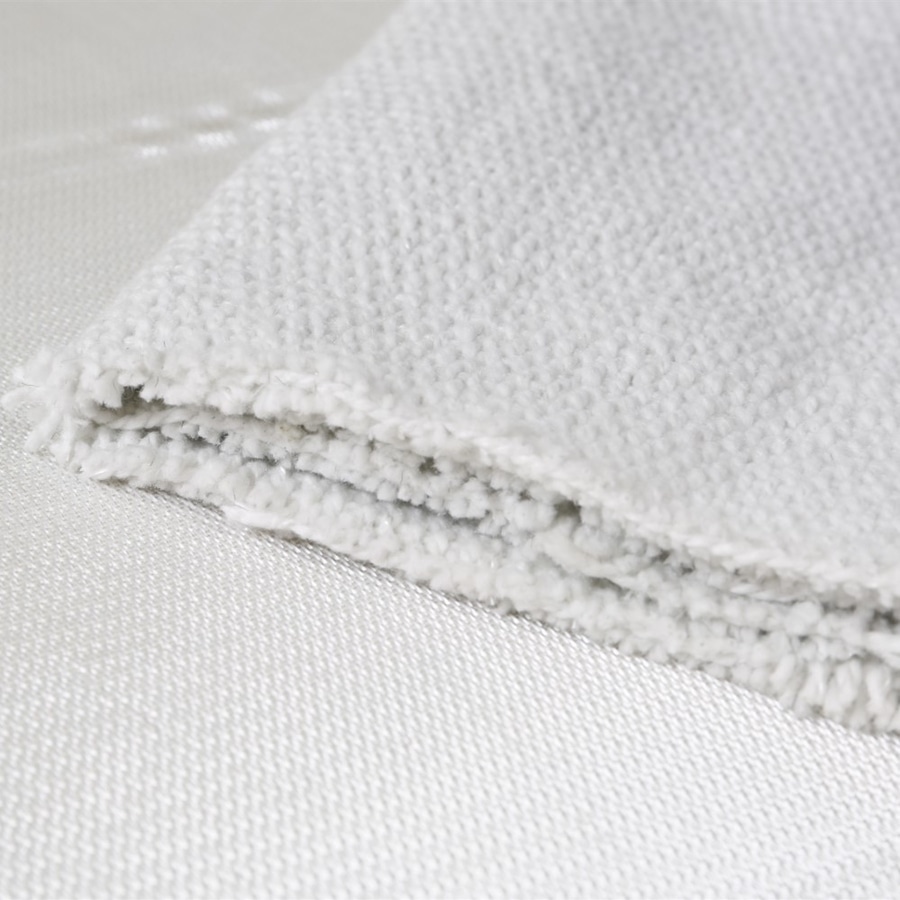
Ceramic fiber cloth is a high-temperature textile widely used in industrial environments where welding operations, thermal processes, and hot work activities generate sparks, radiant heat, and molten metal exposure. Unlike rigid insulation materials, ceramic fiber cloth provides a flexible, fabric-based thermal protection solution that can be fabricated into welding curtains, welding blankets, and equipment shields.
Its combination of high-temperature resistance, flexibility, and mechanical workability makes it a preferred material for temporary and semi-permanent thermal protection systems in fabrication workshops, maintenance zones, and heavy industrial facilities.
1. Ceramic Fiber Cloth in Welding Curtains
Welding operations generate multiple thermal hazards, including sparks, spatter, arc radiation, and intermittent flame exposure. In industrial workshops, these hazards must be controlled to prevent damage to nearby equipment, hoses, cables, and structural components.
Ceramic fiber cloth is commonly used to manufacture welding curtains because it can:
act as a spark and spatter barrier
reduce heat transfer to surrounding areas
provide flexible separation between work zones
be fabricated into large suspended panels or movable barriers
Compared with conventional fabric-based welding curtains, ceramic fiber cloth offers significantly higher temperature resistance, making it suitable for heavy-duty welding environments such as metal fabrication plants, shipyards, and steel workshops.
2. Ceramic Fiber Cloth in Welding Blankets
In welding and cutting operations, hot metal particles can fall directly onto surrounding surfaces or equipment. Welding blankets are used as a protective layer placed over machines, floors, pipes, or sensitive components.
Ceramic fiber cloth is widely used in welding blanket construction because it can:
withstand direct contact with sparks and hot slag
provide insulation against localized high temperatures
be cut and sewn into custom blanket sizes
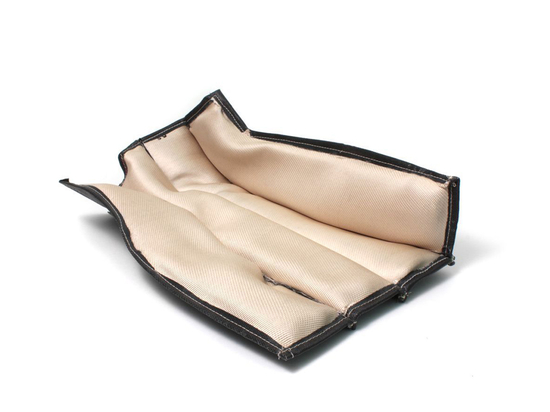
serve as a base material for multi-layer blanket systems
In many industrial applications, ceramic fiber cloth is not used alone but combined with reinforcement layers or coatings to improve durability and handling strength, especially in repetitive welding environments.
3. Equipment Shields for High-Temperature Protection
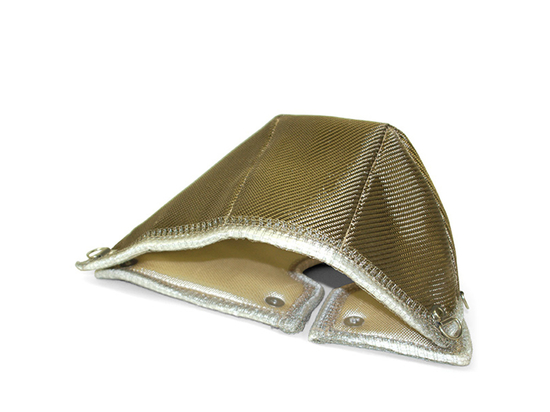
Industrial equipment is often installed in environments where heat exposure cannot be fully eliminated. In such cases, ceramic fiber cloth is used as a flexible equipment shield material to reduce thermal impact on sensitive components.
Typical applications include:
shielding control panels or housings near hot zones
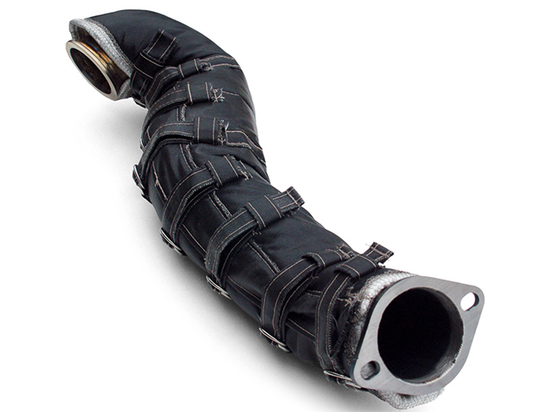
protecting hydraulic lines, hoses, or cable assemblies
covering exposed machine surfaces in thermal areas
creating temporary heat barriers during maintenance work
Because it is textile-based, ceramic fiber cloth can be wrapped, layered, or custom-fabricated into shapes that rigid insulation materials cannot easily achieve.
4. Why Ceramic Fiber Cloth Is Suitable for Fabricated Thermal Protection Products
The use of ceramic fiber cloth in curtains, blankets, and shields is driven by its ability to function as a convertible insulation material. It is not only a raw thermal fabric, but also a base material for engineered protection products.
Key properties include:
high-temperature resistance suitable for welding and hot work
flexibility for cutting, sewing, and fabrication
compatibility with reinforcement (fiberglass or metal wire)
adaptability to coatings (aluminum, vermiculite, PSA layers)
low thermal conductivity for heat reduction performance
These characteristics allow manufacturers to design application-specific products rather than relying on fixed rigid insulation structures.
5. Application Environments
Ceramic fiber cloth-based welding curtains, blankets, and shields are commonly used in:
Metal fabrication workshops
Protection against welding sparks, cutting slag, and grinding debris.
Shipbuilding and repair yards
Large-area welding protection for structural fabrication zones.
Steel and heavy industry plants
High-intensity welding and thermal exposure environments.
Maintenance and repair operations
Temporary shielding during hot work on installed equipment.
Industrial assembly lines
Protection of adjacent equipment during welding or thermal processing steps.
6. Performance Factors That Influence Selection
When selecting ceramic fiber cloth for welding curtains, blankets, or shields, industrial buyers typically evaluate:
maximum continuous temperature rating
thickness and weight per square meter
reinforcement type (fiberglass / stainless steel wire)
coating requirements (aluminum foil / vermiculite / PSA)
abrasion and handling durability
intended fabrication method (curtain, blanket, or wrap structure)
These factors determine whether the material is suitable for light welding protection or heavy-duty industrial thermal shielding systems.
7. Limitations and Engineering Considerations
While ceramic fiber cloth offers excellent thermal resistance, it is not designed as a standalone mechanical impact barrier. In high-wear environments, it is often combined with:
reinforcement layers for tensile strength
outer protective coatings for abrasion resistance
multi-layer blanket structures for durability
This ensures stable performance in repetitive welding or high-contact industrial conditions.