#Product Trends
Fiberglass Reinforced vs Metal Wire Reinforced Ceramic Fiber Cloth
ceramic fiber cloth
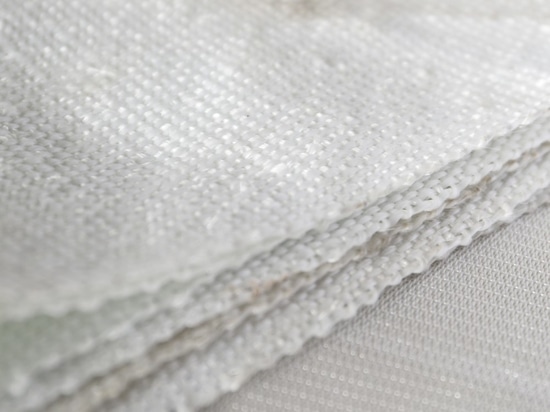
Ceramic fiber cloth is widely used in high-temperature insulation systems, including welding curtains, furnace insulation, equipment thermal shielding, and industrial fire protection. To improve mechanical performance, ceramic fiber cloth is commonly reinforced using either fiberglass filament or metal wire (typically stainless steel alloy wire).
Although both reinforcement types are designed to enhance structural stability, they serve different engineering requirements in terms of temperature resistance, flexibility, mechanical strength, and application environment.
1. What Is Fiberglass Reinforced Ceramic Fiber Cloth?
Fiberglass reinforced ceramic fiber cloth uses continuous fiberglass filaments embedded within or woven together with ceramic fiber yarns. The purpose is to improve tensile strength while maintaining flexibility and thermal insulation performance.
Key characteristics:
Lightweight structure
High flexibility and easy handling
Stable thermal insulation performance
Good electrical insulation properties
Suitable for cutting, sewing, and fabrication
Typical applications:
Welding blankets and welding curtains
Removable insulation covers
Heat shields for equipment and pipelines
Flexible thermal insulation layers
Expansion joint protection in moderate environments
Fiberglass reinforcement is generally selected when flexibility and ease of fabrication are more important than extreme mechanical strength.
2. What Is Metal Wire Reinforced Ceramic Fiber Cloth?
Metal wire reinforced ceramic fiber cloth incorporates stainless steel wire or alloy metal filaments into the ceramic fiber structure. This significantly increases mechanical strength and structural stability at elevated temperatures.
Key characteristics:
High tensile strength and tear resistance
Excellent dimensional stability under heat
Strong resistance to mechanical stress and vibration
Suitable for harsher industrial environments
Better performance in high-load installations
Typical applications:
Furnace doors and high-temperature sealing systems
Heavy-duty welding protection in steel plants and foundries
High-stress insulation blankets
Thermal shielding in extreme industrial environments
Applications requiring long-term structural integrity
Metal wire reinforcement is preferred when the material must withstand mechanical stress, vibration, or high thermal load simultaneously.
3. Key Differences: Fiberglass vs Metal Wire Reinforcement
Performance Factor Fiberglass Reinforced Metal Wire Reinforced
Flexibility High Medium to low
Tensile strength Moderate High
Heat resistance High (up to ceramic fiber limit) Very high, stable under extreme heat
Weight Lightweight Heavier
Handling & installation Easy More rigid
Cut/sew processing Excellent More difficult
Vibration resistance Moderate Strong
Cost level Lower Higher
4. Temperature Performance Consideration
Both reinforcement types rely on ceramic fiber as the primary heat-resistant medium, which can typically withstand temperatures up to approximately 1260°C–1400°C depending on grade.
However, reinforcement affects mechanical behavior at temperature:
Fiberglass reinforcement maintains flexibility but may lose mechanical strength under prolonged high heat exposure.
Metal wire reinforcement retains structural integrity better in high-temperature and high-load conditions.
In practical terms:
Fiberglass reinforcement = thermal insulation priority
Metal wire reinforcement = structural stability + thermal resistance priority
5. Mechanical Stress and Durability
In dynamic or mechanically demanding environments, reinforcement choice becomes critical.
Fiberglass reinforced type:
Suitable for static or low-movement installations
Ideal for removable insulation systems
Best for applications where the cloth is supported structurally
Metal wire reinforced type:
Suitable for high-vibration equipment
Better for long-term fixed installations under stress
Recommended for heavy-duty industrial environments
If the material is exposed to repeated mechanical stress, metal wire reinforcement significantly improves service life.
6. Flexibility and Fabrication
Fabrication requirements are often a deciding factor in real industrial projects.
Fiberglass reinforced cloth:
Easy to cut, stitch, and laminate
Compatible with coatings (aluminum foil, vermiculite, PSA)
Commonly used in custom insulation blankets and flexible barriers
Metal wire reinforced cloth:
Harder to cut and sew
Requires stronger tooling for fabrication
Less suitable for complex shaping or frequent modification
For OEM insulation fabricators, fiberglass reinforcement is generally preferred due to processing convenience.
7. Application-Based Selection Guide
Choose fiberglass reinforced ceramic fiber cloth when:
Flexibility is required
The application involves blankets, curtains, or covers
Electrical insulation is important
Fabrication and customization are frequent
Cost efficiency is a priority
Choose metal wire reinforced ceramic fiber cloth when:
High mechanical strength is required
Equipment operates under vibration or structural load
Long-term fixed insulation is needed
Harsh industrial environments such as steel mills or furnaces are involved
Tear resistance is critical
8. Combined Engineering Approach
In advanced industrial insulation systems, both reinforcement types may be used in different zones:
Fiberglass reinforced sections for flexible coverage
Metal wire reinforced sections for load-bearing or high-stress areas
This hybrid approach is common in furnace insulation systems, industrial thermal barriers, and high-temperature equipment protection.