#Product Trends
What Is Ceramic Fiber Cloth and Where Is It Used?
A technical overview of ceramic fiber cloth, its material structure, performance characteristics, and industrial high-temperature applications.
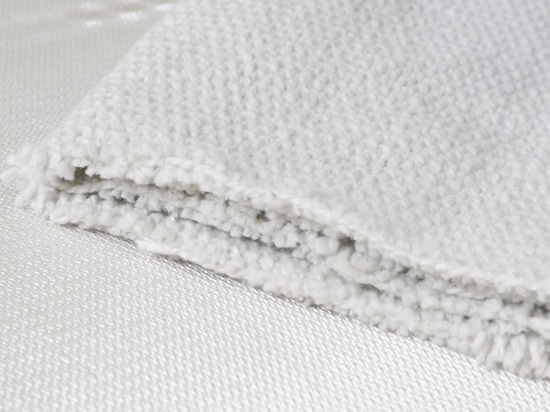
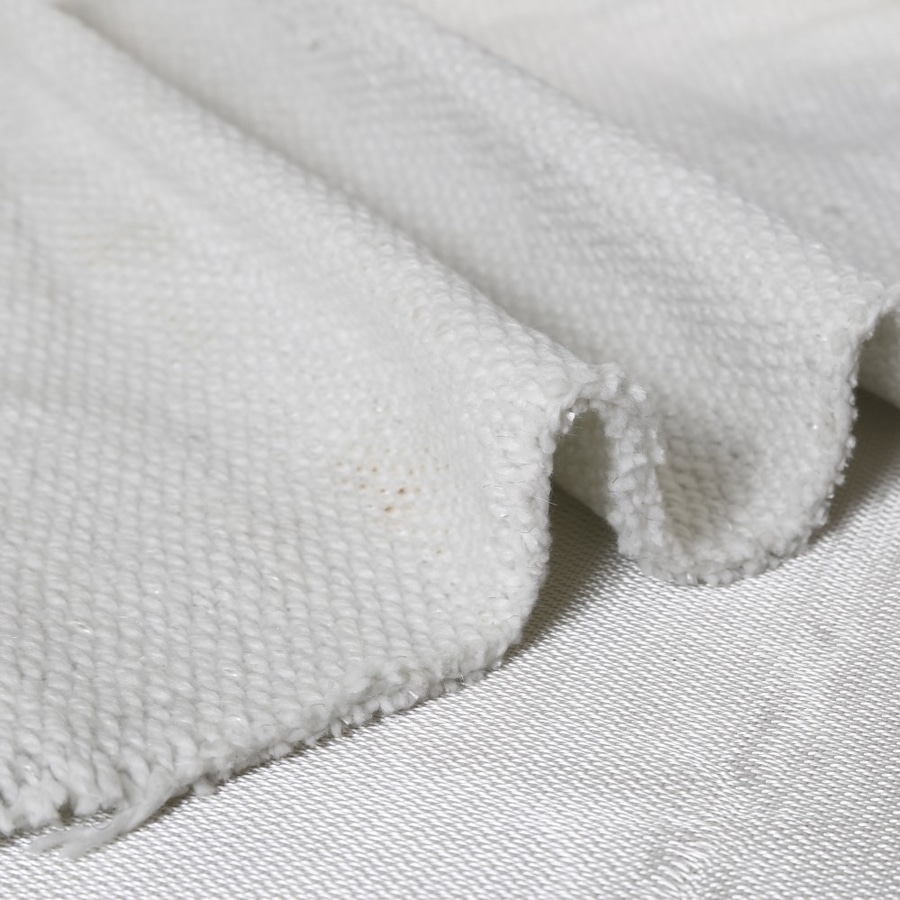
Ceramic fiber cloth is a high-temperature resistant textile engineered from alumino-silicate ceramic fibers. It is designed for continuous operation in extreme heat environments where conventional fiberglass or organic textiles fail due to thermal degradation, shrinkage, or loss of mechanical strength.
Depending on construction, ceramic fiber cloth may be reinforced with fiberglass filaments or stainless steel wire to improve tensile strength and dimensional stability. It is widely used as a flexible insulation material in industrial thermal protection systems.
1. What Ceramic Fiber Cloth Is
Ceramic fiber cloth is a woven high-temperature fabric made from refractory ceramic fibers. These fibers are produced from high-purity alumina and silica materials, forming a lightweight, flexible structure with strong thermal resistance.
Typical technical characteristics include:
Continuous working temperature up to ~1000–1260°C (depending on grade)
Melting point around 1600°C+
Low thermal conductivity
Excellent thermal shock resistance
Lightweight and flexible structure
Reinforcement options are commonly added:
Fiberglass reinforcement for flexibility and general industrial use
Stainless steel wire reinforcement for higher mechanical strength and vibration resistance
Surface treatments may also be applied, such as:
Vermiculite coating (improves abrasion and heat resistance)
Aluminum foil lamination (reflective heat barrier enhancement)
PSA backing (for installation convenience)
2. Key Properties That Define Its Performance
Ceramic fiber cloth is selected in industrial systems primarily because of its combination of thermal and mechanical performance:
High-temperature stability
Maintains structural integrity under continuous exposure to elevated temperatures in furnace and welding environments.
Thermal insulation efficiency
Reduces heat transfer to adjacent equipment, protecting operators and sensitive components.
Mechanical flexibility
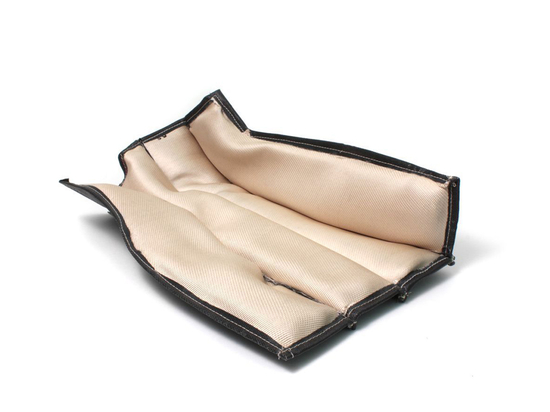
Unlike rigid insulation boards, ceramic fiber cloth can be wrapped, cut, or formed into flexible insulation systems.
Thermal shock resistance
Performs well under rapid temperature changes without cracking or structural failure.
Chemical and oxidation resistance
Suitable for industrial environments where exposure to combustion gases or process emissions occurs.
3. Where Ceramic Fiber Cloth Is Used
Ceramic fiber cloth is widely used across industries where high-temperature protection and flexible insulation are required.
3.1 Welding protection systems
Used in:
welding curtains
welding blankets
spark and molten splash protection barriers
It protects surrounding equipment and personnel from radiant heat and welding spatter.
3.2 Furnace and kiln insulation
Applied in:
furnace door seals
kiln linings
removable insulation covers
It helps maintain internal temperature stability and improves energy efficiency.
3.3 Industrial thermal insulation
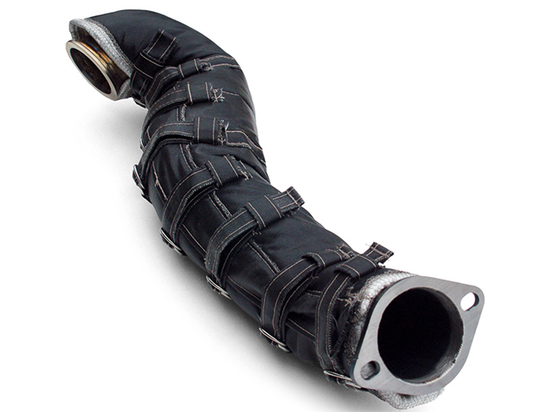
Used as a flexible insulation layer on:
pipelines
ducts
exhaust systems
high-temperature processing equipment
It reduces heat loss and protects nearby structures.
3.4 Equipment protection
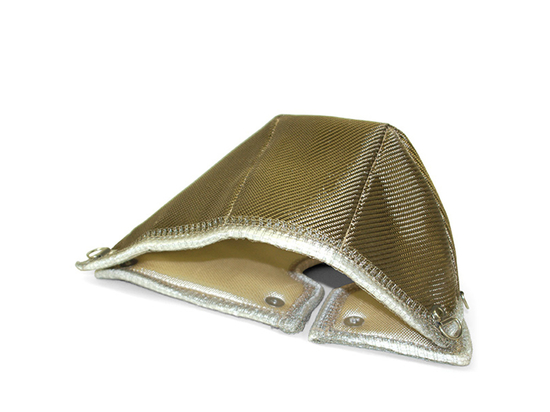
Installed on:
engines and industrial machinery
heat-generating equipment
hot surface shielding systems
It prevents heat damage and improves operational safety.
3.5 Expansion joints and sealing systems
Used as a flexible sealing material in:
high-temperature expansion joints
industrial sealing structures
flexible heat barriers
Its flexibility allows movement while maintaining thermal protection.
4. Ceramic Fiber Cloth vs Other High-Temperature Fabrics
In industrial insulation systems, ceramic fiber cloth is often compared with silica fabric and fiberglass fabric:
Compared with fiberglass fabric: ceramic fiber cloth operates at significantly higher temperatures and offers better thermal stability.
Compared with silica fabric: ceramic fiber cloth is generally used in more extreme heat conditions, especially where furnace-level temperatures are involved.
Each material is selected based on temperature, mechanical stress, and application requirements.
5. Typical Industry Applications
Ceramic fiber cloth is commonly used in:
steel and metallurgy industries
foundries and casting operations
welding and fabrication workshops
petrochemical and refining plants
power generation facilities
heavy industrial equipment manufacturing
Its role is to provide flexible, reliable thermal insulation in environments where rigid materials are not suitable.