#Product Trends
Aramid vs Nylon vs Polyester Sleeves: Which Cable Protection Works Best Under Heat and Abrasion?
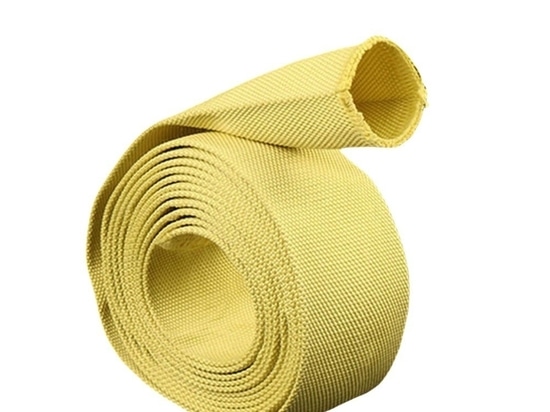
aramid sleeve
When selecting a protective sleeve for cables, wire harnesses, hoses, and industrial lines, engineers usually compare three common textile materials: aramid, nylon, and polyester.
Each material has advantages, but they are designed for different operating environments. Nylon and polyester sleeves are widely used for general cable management and mechanical protection, while aramid sleeves are engineered for high-temperature, high-abrasion, and safety-critical applications.
For applications where cables are exposed to engine heat, friction, vibration, or harsh industrial conditions, material selection directly affects system reliability, maintenance frequency, and equipment lifetime.
What Are Aramid, Nylon, and Polyester Sleeves?
Aramid Sleeve
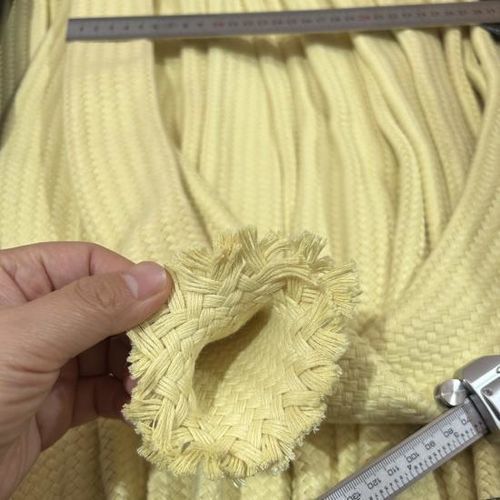
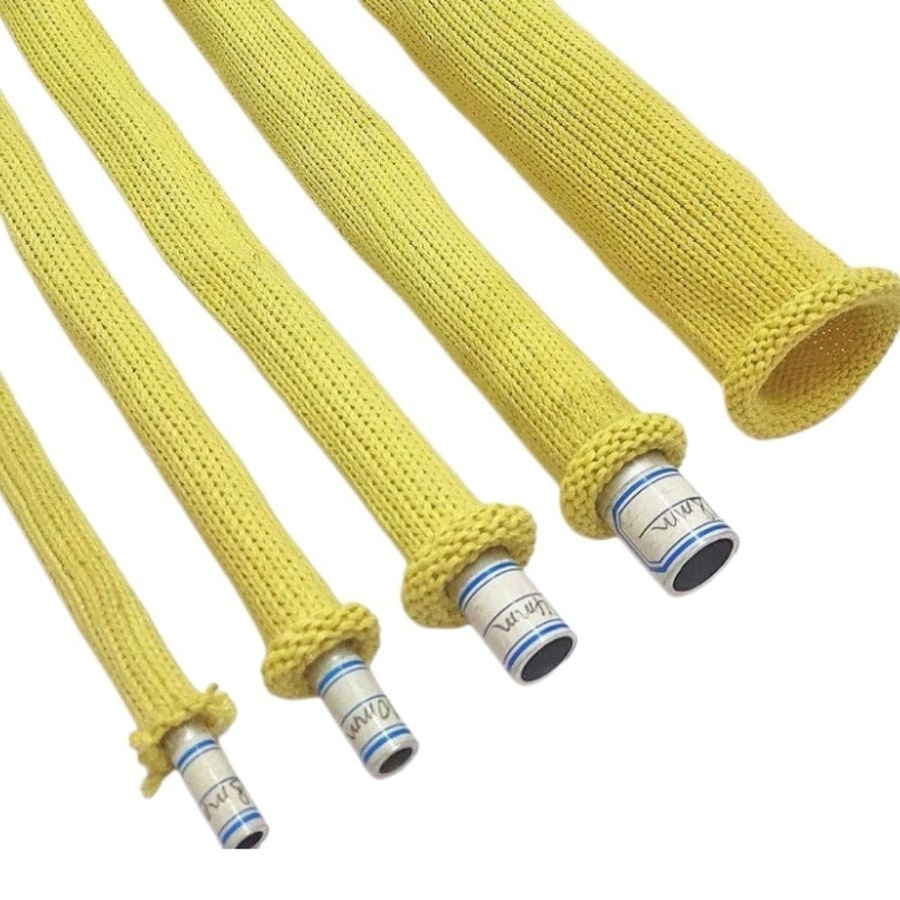
Aramid sleeves are manufactured from high-performance aromatic polyamide fibers. They are known for their exceptional strength-to-weight ratio, thermal stability, and resistance to cutting and abrasion.
Unlike thermoplastic fibers, aramid maintains structural integrity under extreme heat conditions and is commonly selected for demanding applications requiring long-term durability.
Typical applications include:
Automotive engine wiring protection
EV battery cable protection
Aerospace cable systems
Robotics and automation equipment
Industrial machinery
Nylon Sleeve
Nylon sleeves are made from polyamide fibers and are widely used because of their flexibility, wear resistance, and cost efficiency.
They are suitable for applications requiring:
General cable organization
Moderate abrasion protection
Flexible installation
Cost-effective wire management
However, nylon has limitations when exposed to continuous high temperatures.
Polyester Sleeve
Polyester sleeves provide good mechanical protection, chemical resistance, and dimensional stability for general industrial applications.
They are commonly used in:
Electrical cable management
Automotive interior wiring
Industrial equipment protection
Compared with nylon, polyester generally offers better UV resistance and dimensional stability, but it is still limited in high-temperature environments.
Aramid vs Nylon vs Polyester Sleeve Comparison
Performance Factor Aramid Sleeve Nylon Sleeve Polyester Sleeve
Temperature Resistance Excellent high-temperature stability, suitable for harsh heat environments Moderate temperature resistance, may soften under continuous heat exposure Better than nylon in some environments but limited compared with aramid
Abrasion Resistance Excellent resistance against friction, wear, and mechanical damage Good abrasion resistance for general applications Good abrasion resistance for standard industrial use
Cut Resistance Excellent Moderate Moderate
Flexibility Flexible braided structure, suitable for complex routing Very flexible and easy to install Flexible and lightweight
Weight Lightweight with high strength performance Lightweight Lightweight
Chemical Resistance Good resistance to many industrial chemicals Good resistance to oils and common chemicals Good resistance to moisture and many chemicals
Cost Higher initial cost due to premium fiber performance Lowest cost option Medium cost option
Service Life in Harsh Conditions Long service life under heat and abrasion exposure Reduced service life in high-temperature environments Suitable for moderate conditions
Typical Industry Use Automotive, EV, aerospace, robotics, heavy equipment Automotive general wiring, electronics, machinery Industrial wiring, electrical protection, general cable management
Why Aramid Performs Better Under Heat and Abrasion
1. Superior Thermal Stability
Many cable protection materials fail because they cannot withstand continuous heat exposure.
Nylon and polyester are thermoplastic materials that may soften, shrink, or lose mechanical properties when exposed to elevated temperatures.
Aramid fibers maintain their structure much better in high-temperature environments, making them suitable for areas near:
Exhaust systems
Engines
Furnaces
Industrial heating equipment
2. Stronger Abrasion Protection
Cable damage is often caused by repeated movement rather than a single impact.
Common failure causes include:
Continuous vibration
Metal edge contact
Cable movement during operation
Repeated bending cycles
The high tensile strength of aramid fibers provides excellent resistance against wear and mechanical stress.
3. Better Reliability for Critical Systems
For standard applications, nylon or polyester may provide sufficient protection.
However, in systems where cable failure can cause:
Production downtime
Safety risks
Expensive maintenance
Equipment failure
engineers usually select higher-performance materials.
This is why aramid sleeves are increasingly used in automotive OEM, aerospace, industrial automation, and energy applications.
How to Choose the Right Protective Sleeve?
Choose Nylon Sleeve When:
Temperature exposure is moderate
Cost efficiency is important
General abrasion protection is required
Easy installation is the priority
Choose Polyester Sleeve When:
UV resistance is required
General industrial protection is needed
Moderate mechanical protection is sufficient
Choose Aramid Sleeve When:
High temperature protection is required
Severe abrasion conditions exist
Long service life is important
Equipment reliability is critical