#Product Trends
Exhaust Pipe Insulation: How to Reduce Surface Temperature and Heat Loss
How high-temperature exhaust pipe insulation helps control radiant heat, protect nearby equipment and improve thermal management in engine and generator systems.
Exhaust pipe insulation is used to reduce heat transfer from high-temperature exhaust piping to surrounding components, personnel and enclosed equipment spaces. It is widely applied to diesel engines, generator sets, marine engines, industrial exhaust systems and other installations where hot exhaust pipes create excessive radiant heat.
During operation, exhaust pipes can reach very high surface temperatures. Without insulation, much of this heat is released directly into the surrounding environment. In compact engine rooms, generator enclosures and machinery compartments, this can increase ambient temperature, expose cables and hoses to thermal stress and create difficult working conditions for maintenance personnel.
A properly designed exhaust pipe insulation system creates a thermal barrier around the hot pipe. The insulation layer slows conductive and convective heat transfer, while the outer protective layer helps control radiant heat and protects the insulation from abrasion, vibration, oil, moisture and mechanical damage.
Common materials used for high-temperature exhaust pipe insulation include silica fabric, fiberglass fabric, ceramic fiber insulation, stainless steel mesh, silicone-coated fiberglass and other engineered thermal textiles. The material combination depends on operating temperature, pipe diameter, installation environment and required surface temperature reduction.
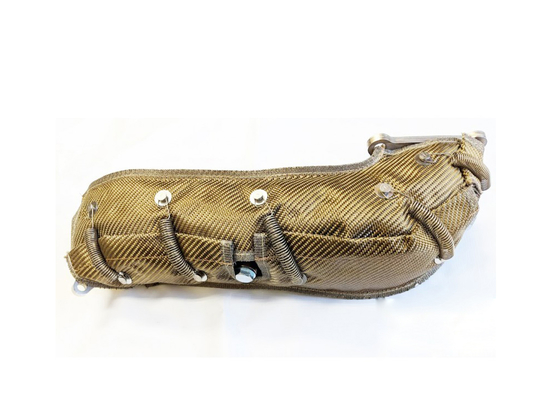
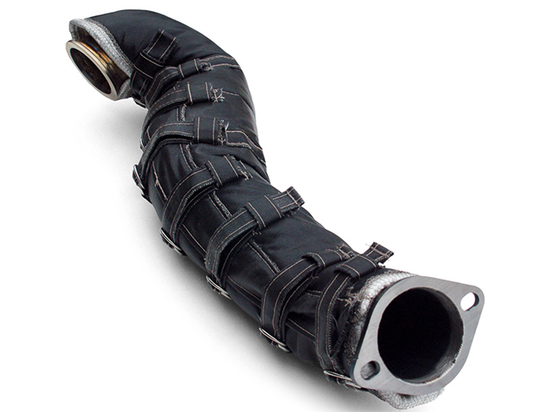
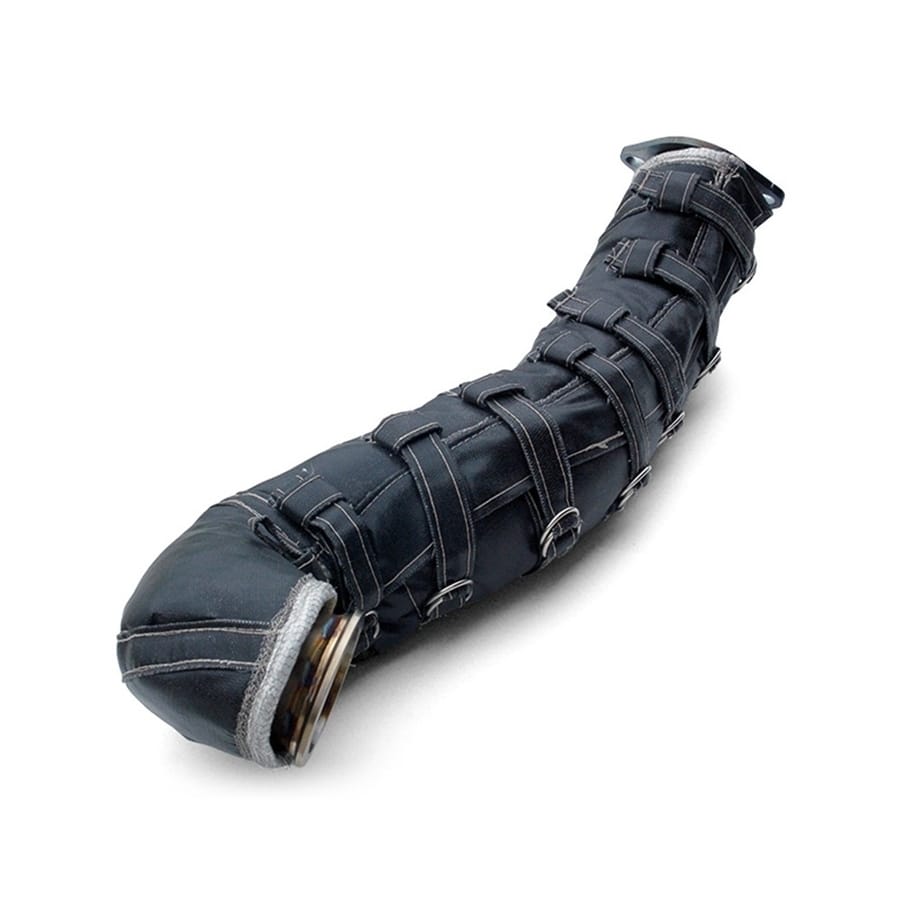
Removable exhaust pipe insulation blankets are particularly useful in systems that require regular inspection or maintenance. Unlike permanent lagging, a removable blanket can be opened, removed and reinstalled without destroying the insulation system. This makes it suitable for exhaust pipes, elbows, flanges, flexible joints, valves, silencers and other components that require periodic access.
Typical applications include:
Diesel engine exhaust pipe insulation
Generator exhaust pipe insulation
Marine exhaust piping
Industrial exhaust ducts
Engine exhaust pipes
Exhaust elbows and flexible sections
Mufflers and silencers
Turbocharger outlet piping
High-temperature process piping
Exhaust pipe insulation can provide several practical benefits. It helps reduce external pipe temperature, limits radiant heat exposure, protects nearby wiring and hoses, improves thermal conditions inside engine compartments and can support safer maintenance around hot exhaust systems.
The correct insulation design depends on more than temperature alone. Engineers should also consider insulation thickness, exhaust pipe diameter, available clearance, vibration level, oil and moisture exposure, fastening method and whether the system must be removable.
For straight exhaust piping, removable insulation blankets can be manufactured in sections to simplify installation. For elbows, flanges and irregular components, custom-shaped insulation jackets can be produced to follow the geometry more closely and minimize exposed hot areas.
Compared with a rigid exhaust heat shield, direct exhaust pipe insulation provides closer thermal containment around the hot surface. Compared with conventional exhaust lagging, a removable insulation blanket offers easier maintenance and replacement, particularly in industrial and engine applications where frequent servicing is required.
BSTFLEX manufactures custom high-temperature exhaust pipe insulation blankets and removable insulation jackets for diesel engines, generator sets, marine systems, automotive exhaust assemblies and industrial equipment. Products can be developed according to drawings, pipe dimensions, component samples, operating temperature and specific installation requirements.
For systems where exhaust pipes create excessive radiant heat or expose nearby components to high temperatures, properly selected exhaust pipe insulation provides an effective and serviceable thermal management solution.