

#Product Trends
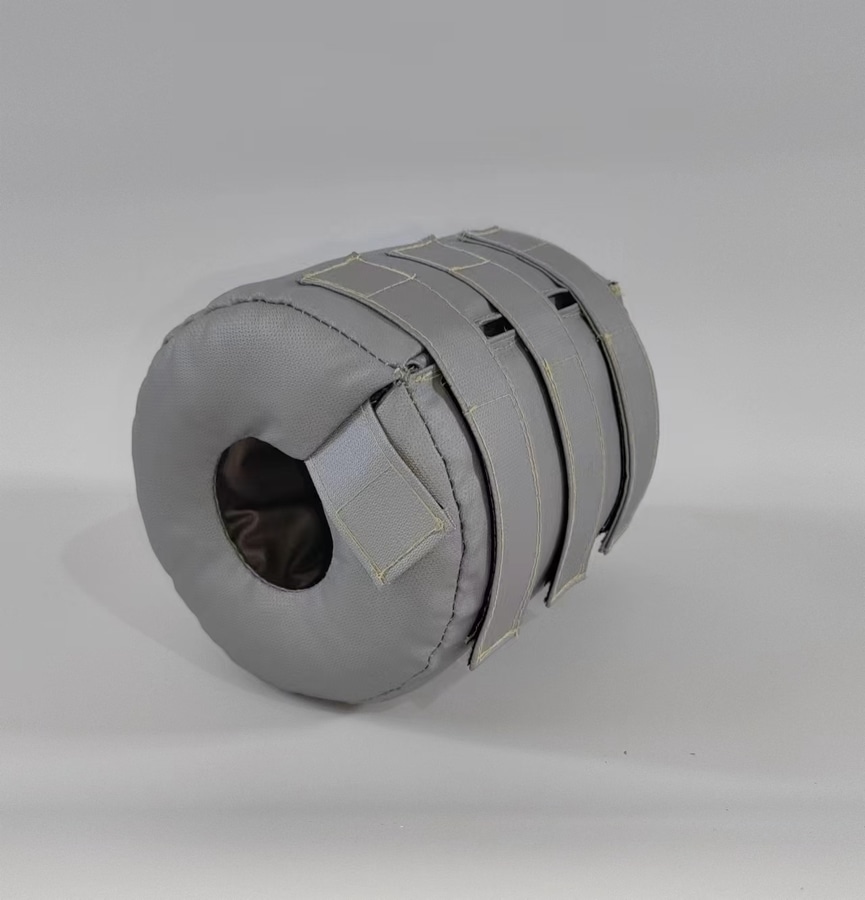
Pressure Reducing Valve Insulation Jackets with Access for Pilots and Sensing Lines
Valve Insulation Jackets
A valve cover can match the main casting and still be awkward to use. The difficulty appears when a technician needs the pilot, a tubing union or the adjustment assembly. Pressure reducing valve insulation jackets should therefore be specified around the installed valve and its service tasks, rather than around pipe size alone.
In this application, PRV means pressure reducing valve. A pressure relief valve has a different function and must not be included in the same cover specification simply because its abbreviation looks similar.
Start with the access required during service
Ask the maintenance team to mark the parts they actually touch, read or remove. A gauge may need permanent visibility, while a bonnet may need access only during an overhaul. Those two requirements lead to different openings. Record the required access before deciding which areas the PRV insulation jacket will enclose.
Make three categories on the drawing: permitted insulated surfaces, components that must remain exposed, and areas requiring a removable section. This gives purchasing and fabrication teams a common boundary. It also prevents a quotation from silently assuming that every external projection will be covered.
Photograph the tubing as it is installed
A standard valve drawing is useful, but field-installed sensing lines may follow another route. Include an overall photograph and close views from both sides. Show where each small tube leaves the body, passes another component and enters its connection. A partly hidden tube is still a design constraint.
For a pilot-operated PRV jacket, check how each proposed panel will come away from the assembly. An opening that fits around a tube while stationary may not let the cover pass it during removal. Split seams and detachable sections deserve review against that movement. The jacket must not rely on control tubing to carry its weight.
Decide what happens at the bonnet and flanges
Consider a hypothetical station where the pilot is checked regularly but the main body is opened only during planned maintenance. One large removable valve insulation blanket may require removing coverage beyond the component being serviced. Independent sections may be more practical, provided their fasteners remain reachable in the installed space.
At the connections, state whether the steam PRV insulation cover stops before the flanges or includes them. Record flange diameter, bolt projection and the finished diameter of adjoining insulation. Specify which panel overlaps which; leaving that detail undecided can produce a gap or an unnecessarily bulky joint.
Define thermal duty and acceptance conditions
A pressure regulator thermal cover needs a construction appropriate to its surroundings. Supply normal and maximum external surface temperatures, indoor or outdoor location, possible oil or chemical exposure, and the space available for insulation. Material choice should follow those conditions.
If the project requires a particular outer-surface temperature, identify the operating and ambient conditions used for acceptance. The name of the outer fabric does not establish that result. Include penetrations and exposed hardware in the review instead of assessing only the broad, uninterrupted panel surfaces.
Make the quotation easy to compare
Send each supplier the same marked drawing, equipment tag, valve model and panel boundary. Request a clear list of included sections and exclusions. Ask how the parts will be identified, which drawing revision controls production and how a replacement panel can be ordered after a piping modification.
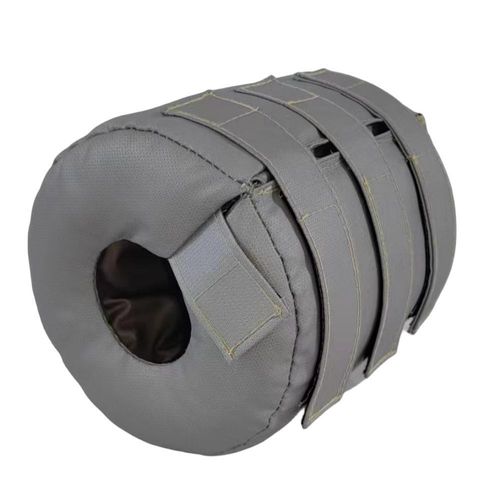
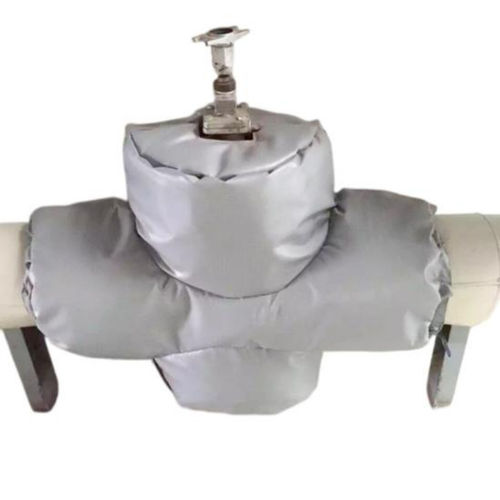
BSTFLEX offers a removable pressure reducing valve insulation jacket patterned around the equipment configuration. Send the valve drawing together with photographs of the pilot and sensing lines, and identify the points that must remain accessible. That information provides a useful starting point for a cover review and quotation.
 鄂公网安备42018502009509号