#Product Trends
Diesel Exhaust Pipe Lagging vs Removable Insulation Blanket
Compare traditional exhaust pipe lagging with removable insulation blankets for diesel engines, generators, marine systems and industrial power equipment.
Diesel exhaust pipe lagging and removable insulation blankets are both used to reduce heat loss and radiant heat from high-temperature exhaust systems, but they differ significantly in installation, maintenance, durability and suitability for complex engine components.
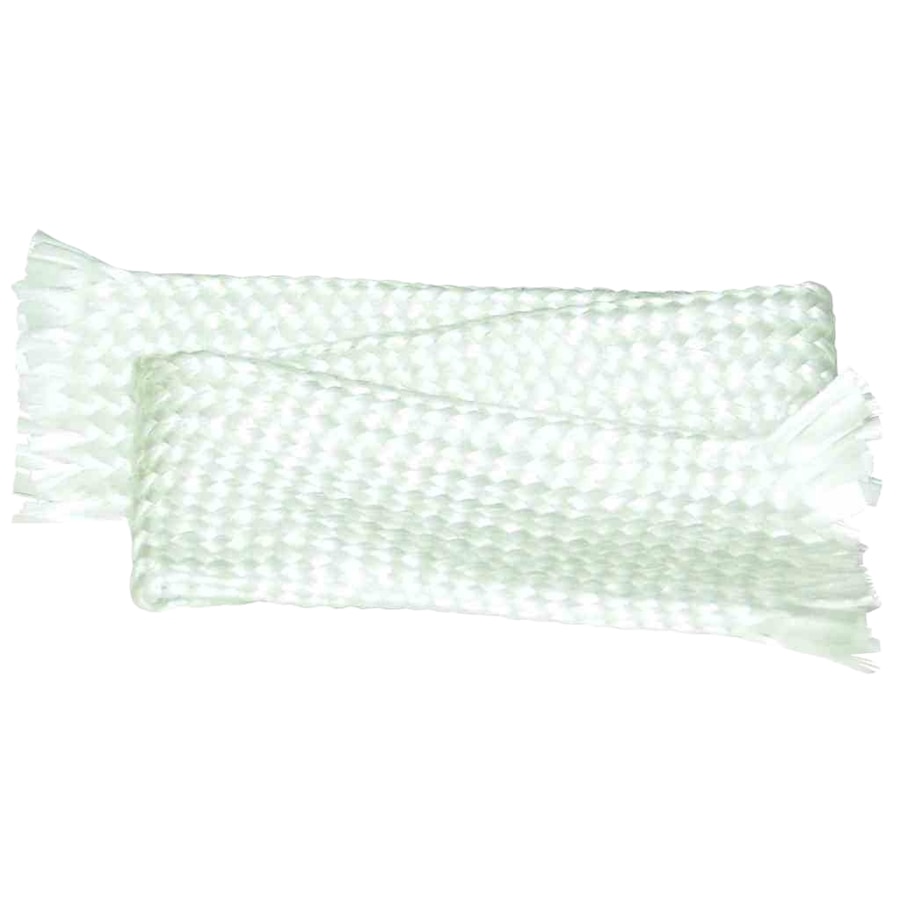
Traditional exhaust pipe lagging is usually applied directly around the pipe in continuous layers. Depending on the system, the insulation may include fiberglass, silica, ceramic fiber or other high-temperature materials covered with protective fabric, foil or metal cladding.
This method can provide effective thermal insulation for long, relatively simple pipe runs.
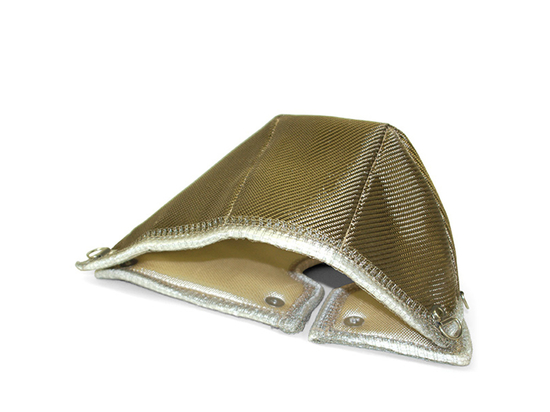
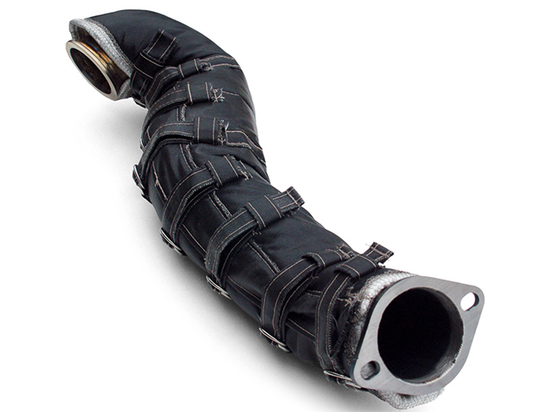
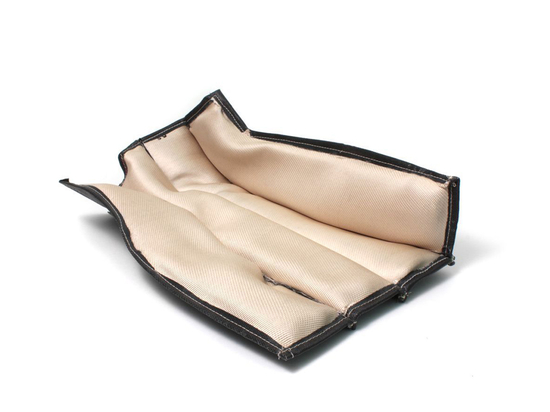
A removable exhaust insulation blanket uses a different construction. It is manufactured as a finished thermal jacket that fits around the exhaust component and is secured with removable fasteners. The blanket can be taken off during maintenance and reinstalled afterward.
For diesel engines, generator sets and marine equipment, this difference can have a major impact on long-term serviceability.
Traditional exhaust lagging is often suitable for straight exhaust piping where maintenance access is limited and the insulation is expected to remain in place for long periods.
Removable exhaust blankets are generally more suitable for components that require regular inspection, repair or replacement.
Typical applications include:
Diesel exhaust manifolds
Turbocharger outlet pipes
Exhaust elbows
Flanges
Flexible exhaust connections
Generator exhaust piping
Marine engine exhaust systems
Mufflers and silencers
Expansion joints
Industrial engine exhaust assemblies
Maintenance is one of the most important differences between the two systems.
Permanent or semi-permanent exhaust lagging may need to be cut, unwrapped or partially destroyed before the pipe or component can be serviced. Reinstallation can require new insulation material, protective covering and additional labor.
A removable insulation blanket is designed specifically for repeated access. Hooks, springs, lacing wire, straps or other fastening systems allow the blanket to be removed without damaging the insulation structure.
This can reduce maintenance time on diesel engines and generator systems where service intervals are frequent.
Component geometry is another important consideration.
Traditional exhaust pipe lagging is generally easiest to install on straight pipes and simple bends.
Complex components such as manifolds, turbochargers, large flanges, silencers and irregular elbows can be difficult to insulate uniformly using conventional wrapping methods.
A custom exhaust insulation blanket can be shaped around the actual component geometry. Cut-outs can be incorporated for sensors, mounting brackets, bolts and service connections, helping reduce exposed hot areas while preserving maintenance access.
The two systems may also use similar insulation materials, but the way those materials are assembled is different.
A removable blanket may include:
A high-temperature hot-face fabric
A fiberglass, silica or ceramic fiber insulation core
A reinforced or coated outer protective layer
Stainless steel hooks, springs or other fastening hardware
High-temperature sewing thread
Custom seams, overlaps and access openings
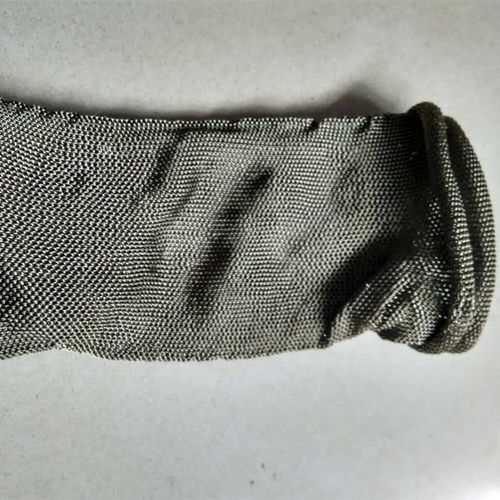
Materials such as fiberglass fabric, high silica fabric, ceramic fiber insulation, stainless steel mesh and silicone-coated fiberglass can be selected according to operating temperature and environmental conditions.
Durability depends heavily on the installation environment.
Diesel engines generate continuous vibration and repeated thermal cycling. If conventional lagging becomes loose or damaged, gaps can form and expose hot pipe surfaces.
A well-designed removable blanket can be engineered with defined fastening points and controlled insulation thickness to maintain coverage during engine operation.
Oil, moisture and contamination should also be considered.
Generator enclosures and engine rooms may expose insulation systems to oil mist, condensation or maintenance fluids. Marine installations can add high humidity and restricted ventilation.
In these environments, the outer cover material becomes particularly important.
Exhaust pipe lagging may be preferred when:
The pipe run is long and relatively straight
Maintenance access is rarely required
Installation space is consistent
A permanent insulation system is acceptable
The pipe geometry is simple
A removable exhaust insulation blanket may be preferred when:
The component requires regular maintenance
The exhaust geometry is complex
Flanges, sensors or connections require access
The equipment operates under significant vibration
Insulation must be repeatedly removed and reinstalled
A custom fit is required
The application involves a manifold, turbocharger, muffler or irregular exhaust component
In many diesel engine systems, the best solution is not necessarily to use only one method.
Straight exhaust runs may use conventional lagging, while manifolds, flanges, turbochargers and maintenance-intensive sections use removable insulation blankets.
This hybrid approach allows engineers to balance cost, thermal performance and serviceability across the complete exhaust system.
For generator sets, removable blankets are especially useful around engine-side exhaust components where routine maintenance is common.
For marine engines, custom removable jackets can simplify service in confined engine rooms.
For industrial diesel systems, they can help reduce radiant heat while maintaining access to critical exhaust components.
BSTFLEX manufactures custom removable exhaust insulation blankets and high-temperature exhaust pipe insulation systems for diesel engines, generator sets, marine equipment and industrial machinery. Materials, insulation thickness, geometry and fastening systems can be developed according to drawings, measurements, samples and actual operating conditions.
When choosing between diesel exhaust pipe lagging and a removable insulation blanket, the key question is not only how much heat must be contained, but also how often the component must be accessed. For maintenance-intensive diesel exhaust systems, removable insulation blankets often provide a more practical long-term thermal management solution.