#Product Trends
Marine Exhaust Insulation Blanket for Engine Exhaust Systems
marine exhaust insulation blanket
A marine exhaust insulation blanket is designed to control heat generated by high-temperature engine exhaust systems on boats, ships, workboats, offshore equipment and marine power units. By enclosing hot exhaust pipes and related components with engineered insulation, the blanket helps reduce external surface temperatures, limit radiant heat transfer and create a safer thermal environment around the engine compartment.
Marine exhaust systems operate under demanding conditions. High exhaust temperatures, continuous engine vibration, limited installation space, moisture, salt exposure and frequent maintenance can make conventional insulation difficult to install and maintain. A properly designed removable exhaust insulation blanket provides thermal protection while allowing engineers and maintenance personnel to access the exhaust system when required.
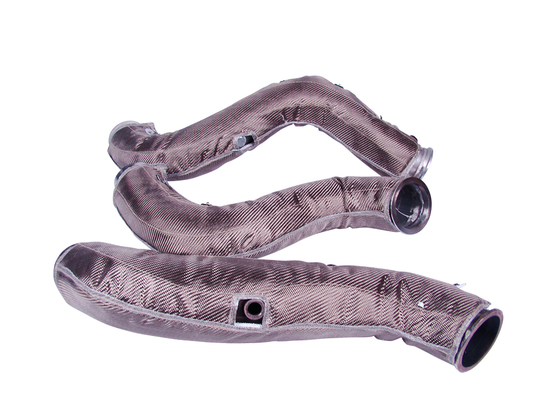
BSTFLEX manufactures custom marine exhaust insulation blankets for different engine configurations and exhaust geometries. The insulation can be fabricated around straight pipes, bends, elbows, flanges, expansion joints, manifolds, turbocharger connections, mufflers and other irregular components.
Why Use an Insulation Blanket on a Marine Exhaust System?
Heat management is particularly important in marine engine compartments because exhaust components can operate at temperatures significantly higher than the surrounding equipment. Radiant and convective heat from an uninsulated exhaust pipe can raise the temperature of nearby hoses, wiring, sensors, fuel-system components and structural parts.
A marine exhaust blanket creates a thermal barrier between the hot exhaust component and its surroundings.
Depending on the system design, insulation can provide several practical benefits:
Lower external surface temperatures
Reduced radiant heat inside the engine compartment
Protection for nearby components
Improved operator and maintenance safety
Better thermal management around marine engines
Reduced heat exposure to electrical and fluid systems
Easier removal and reinstallation compared with permanent insulation
Improved protection of exhaust components in confined spaces
The objective is not simply to cover the exhaust pipe. The insulation system should be engineered according to the component temperature, available clearance, mechanical movement and service requirements.
Marine Exhaust Blanket Construction
A marine exhaust insulation blanket normally consists of several functional layers rather than a single insulation material.
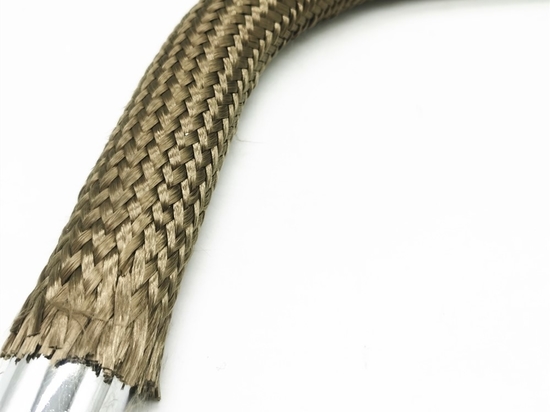
The outer cover provides mechanical and environmental protection. Depending on the application, this layer may use fiberglass fabric, silicone-coated fiberglass, aluminized fabric, silica fabric or another high-temperature textile.
The insulation layer provides the primary thermal resistance. Common options include fiberglass, silica, ceramic fiber and other high-temperature insulation materials.
An inner facing or heat-resistant layer can be selected according to the temperature and component configuration. The inner surface should be compatible with the operating environment and should not interfere with the exhaust component.
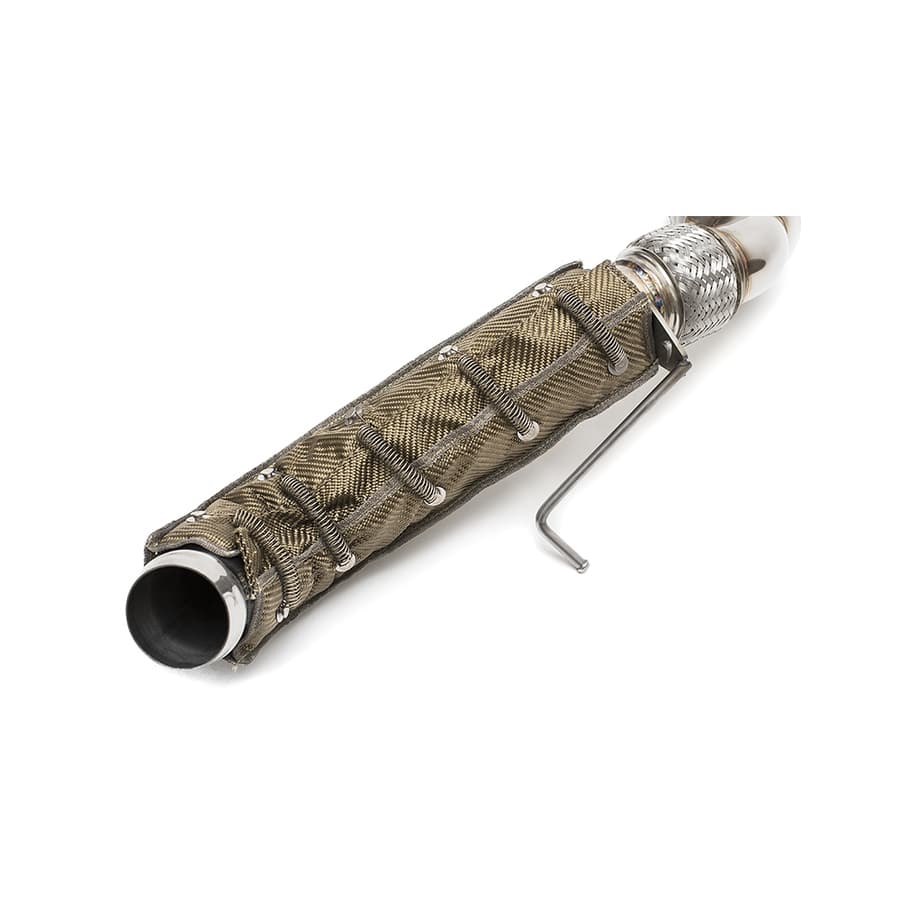
The fastening system is also important. Stainless steel wire, straps, hooks, buckles, lacing systems or other mechanical fastening methods can be incorporated into the blanket so that it remains secure under engine vibration.
For marine equipment, the complete construction should be considered as a system. A high-temperature insulation material alone does not determine whether the finished blanket is suitable for a marine application.
Marine Engine Exhaust Components That Can Be Insulated
A custom marine exhaust blanket can be produced for many different sections of an exhaust system.
Typical applications include:
Marine Exhaust Pipes
Long exhaust pipes can produce substantial radiant heat inside an engine room. A removable insulation blanket can cover the pipe while maintaining access for inspection and service.
Exhaust Elbows and Bends
Elbows often have complex geometries and are difficult to insulate with standard sleeves. Custom-fabricated blankets can follow the actual shape of the component.
Exhaust Manifolds
Manifolds can combine multiple exhaust passages within a compact area. Insulation helps control heat around the manifold and adjacent engine components.
Turbocharger Connections
Turbocharger exhaust areas can operate at high temperatures and frequently require thermal protection for surrounding components. Custom insulation can be designed around the available clearances.
Mufflers and Silencers
Marine exhaust mufflers can have large diameters and irregular fittings. A sectional insulation blanket can provide thermal coverage while remaining removable for maintenance.
Flanges and Service Connections
Special sections can be incorporated around flanges, inspection points and connection areas so that critical service locations remain accessible.
Designing a Marine Exhaust Insulation Blanket
Marine applications require more than selecting an insulation thickness. The blanket should be designed around the physical and operating conditions of the exhaust system.
Temperature
The continuous operating temperature and potential peak temperature should be established before selecting the insulation construction. Higher-temperature systems may require silica or ceramic-based insulation rather than standard fiberglass materials.
Component Geometry
Marine exhaust systems frequently contain bends, reducers, flanges and welded connections. A custom blanket can be produced from measurements, drawings, templates or three-dimensional component data.
Clearance
The available space between the exhaust component and surrounding equipment is an important design parameter. Insulation thickness should be selected to provide the required thermal performance without interfering with adjacent components.
Vibration and Movement
Marine engines generate continuous vibration. Exhaust components may also move relative to surrounding structures as the engine operates. The blanket fastening system should accommodate this movement without becoming loose or damaged.
Maintenance Access
A permanently installed insulation system can make inspection difficult. Removable blankets can be divided into multiple sections, allowing technicians to remove only the required portion of the insulation.
Moisture and Marine Environment
Marine equipment may be exposed to humidity, condensation and salt-containing environments. The outer fabric, stitching, fastening components and overall construction should therefore be selected with the installation environment in mind.
Common Materials for Marine Exhaust Blankets
Different marine exhaust applications require different material combinations.
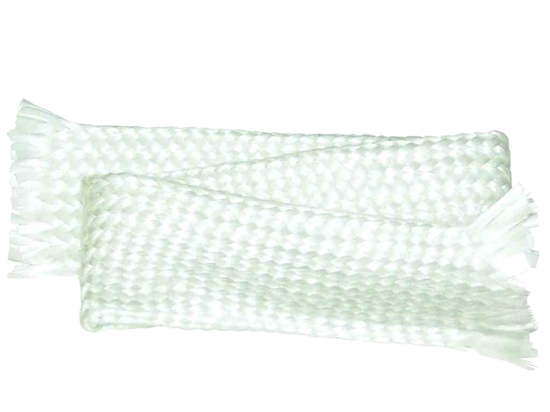
Fiberglass-based insulation is commonly selected for applications where high-temperature resistance, flexibility and cost efficiency are important.
Silica fabric and silica insulation can be considered for applications requiring higher temperature capability and excellent resistance to thermal exposure.
Ceramic fiber insulation is suitable for high-temperature exhaust components where a high level of thermal resistance is required.
Aluminized outer fabrics can provide reflective thermal protection and are useful where radiant heat control is an important design objective.
Silicone-coated fiberglass fabrics can be selected when flexibility, abrasion resistance and protection of the outer textile are required.
The correct combination depends on the exhaust temperature, installation location, required insulation thickness and environmental conditions.
Removable Design for Marine Engine Maintenance
One of the major advantages of a marine exhaust insulation blanket is its removable construction.
Marine engines require periodic inspection and maintenance. Exhaust connections, turbochargers, manifolds, flanges and other components may need to be inspected or replaced during the service life of the equipment.
A removable blanket can be opened and reinstalled without destroying the insulation system.
This approach can reduce maintenance disruption and make thermal insulation more practical for marine engine rooms.
Multiple blanket sections can also be used on complex exhaust assemblies. Instead of manufacturing one large cover, the system can be divided into individual sections around elbows, straight pipes, flanges and other components.
Custom Marine Exhaust Blankets
Marine exhaust systems rarely have identical geometries across different engines and vessels. For this reason, custom fabrication is often more practical than using a universal exhaust insulation product.
BSTFLEX can manufacture marine exhaust insulation blankets according to component dimensions, drawings, photographs, templates or customer specifications.
Customization can include:
Custom length and diameter
Multi-section construction
Cutouts for fittings and sensors
Flange openings
Elbow and bend coverage
Different insulation thicknesses
High-temperature outer fabrics
Reflective outer surfaces
Stainless steel fastening systems
Removable fastening arrangements
Customized labels and identification
This allows the insulation system to match the actual exhaust configuration rather than forcing a standard product onto a complex marine component.
Applications
Marine exhaust insulation blankets can be used on:
Marine diesel engines
Ship engines
Boat engines
Workboats
Tugboats
Fishing vessels
Offshore equipment
Marine generators
Auxiliary engines
Commercial marine power systems
Engine-room exhaust systems
Marine Exhaust Blanket vs Exhaust Wrap
Traditional exhaust wrap is normally installed by winding a flexible material around the pipe. This approach can be effective for relatively simple exhaust geometries but may be less convenient when frequent removal or maintenance is required.
A removable marine exhaust blanket is fabricated as a fitted cover. It can incorporate insulation layers, an outer protective fabric and mechanical fastening hardware.
For marine engine rooms where service access, complex component geometry and long-term maintainability are important, a custom removable blanket can provide a more practical thermal-management solution.
Selecting the Right Marine Exhaust Insulation
The correct marine exhaust blanket should be selected based on the complete operating environment rather than temperature alone.
Key parameters include:
Exhaust operating temperature
Peak temperature
Component dimensions
Available installation clearance
Required surface-temperature reduction
Required insulation thickness
Engine vibration
Moisture exposure
Maintenance frequency
Required fastening method
Marine environmental conditions
Required service life
Providing accurate component dimensions and operating conditions allows the insulation construction to be optimized for the application.
Marine Exhaust Insulation Blanket Manufacturer
BSTFLEX supplies custom high-temperature insulation blankets for marine exhaust systems and other industrial thermal-management applications. Each blanket can be designed according to the component geometry, temperature requirements and installation environment.
For a marine engine exhaust pipe, manifold, elbow, muffler, turbocharger or complete exhaust assembly, custom insulation can be developed to provide thermal protection while maintaining access for inspection and maintenance.
If you are sourcing marine exhaust blankets for a new vessel, replacement engine, marine generator or existing exhaust system, provide the component dimensions, operating temperature and installation requirements. A custom insulation solution can then be developed for the specific exhaust configuration.