#Industry News
Standards, requirements & logistics solutions for frozen-goods transport
When a temperature deviation occurs, it not only affects product quality, but can trigger regulatory consequences and damage brand trust. This guide explores the key requirements and practical logistics solutions to help you transport frozen goods.
1. Technical Requirements for Frozen Goods Logistics
When handling frozen-goods transport, strict measures are required to preserve microbiological safety, nutritional value and sensory quality. The aim is a continuous and stable ultra-low temperature track.
Important technical steps include:
- Pre-chilling vehicles or containers before loading begins.
- Minimising dwell time during loading/unloading so warm air infiltration is reduced.
- Using temperature monitoring tools (sensors, data-loggers, IoT) to trace and alert deviations in real time.
- Ensuring staff are trained in cold-chain handling and best practices.
Two primary cooling technologies are in use: mechanical refrigeration (e.g., refrigerated trucks) and passive solutions (high-performance insulated containers with cold accumulators). The choice depends on: goods type, journey duration, site access, frequency of delivery and regulatory demands.
Regulatory benchmark for frozen products: The standard transport temperature is −18 °C or colder. A short operational tolerance up to −15 °C may be acceptable during loading/unloading, assuming the average temperature remains compliant throughout. Breaching these limits can result in non-compliance, export batch rejection, financial losses and reputational damage.
2. Key Standards and Regulatory Frameworks
Adhering to international and national standards demonstrates reliability and ensures legal compliance in frozen-logistics operations.
- Agreement on the International Carriage of Perishable Foodstuffs (ATP): This treaty covers international road transport of perishable goods among signatory countries. It demands certified insulated equipment, periodic inspections (for insulated units, every six years) and clearly marked insulation/refrigeration categories on the body of the container or vehicle.
- National frameworks (e.g., in France): Additional laws complement ATP standards. For example, French legislation includes Article R231-59 of the Rural Code (mandating cold chain for perishable goods) and the Decree of 21 December 2009 specifying products subject to ATP regulations. HACCP-based traceability and self-inspection obligations also apply.
Complying with these regimes is more than a legal hurdle—it becomes a competitive edge in the food and pharma industries.
3. Selecting the Right Logistics Solution for Frozen Goods
Choosing the appropriate logistics system is vital to maintain the cold chain and adapt to different distribution scenarios. Here are two common options:
a) Refrigerated vehicles (mechanical cooling)
These are widely used for large-scale, long-haul shipments:
- Ideal for regular routing between hubs and cross-regional flows.
- Limitations: high energy consumption, reduced flexibility in urban centres or restricted traffic zones, and limited multi-temperature capability within the same vehicle.
b) Insulated containers with passive cooling (cold-accumulators)
These are especially useful for flexible, low-power, multi-temperature or urban distribution:
- They maintain target temperatures even without an external power supply.
- Enable multiple temperature zones inside a single vehicle (e.g., different compartments at −21 °C, −18 °C, +4 °C).
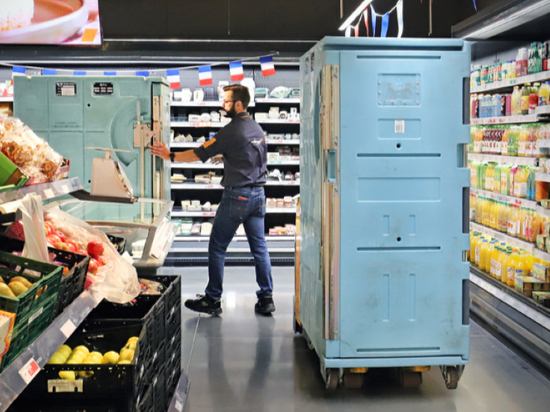
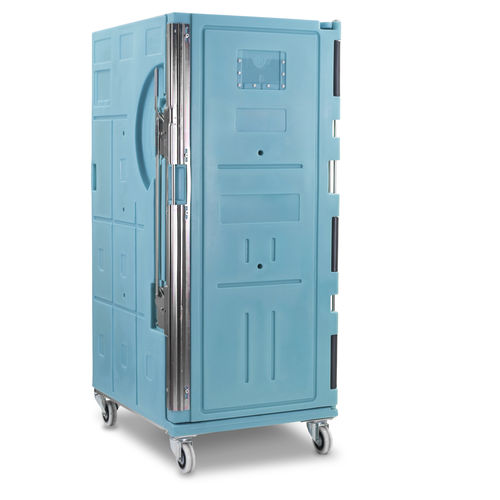
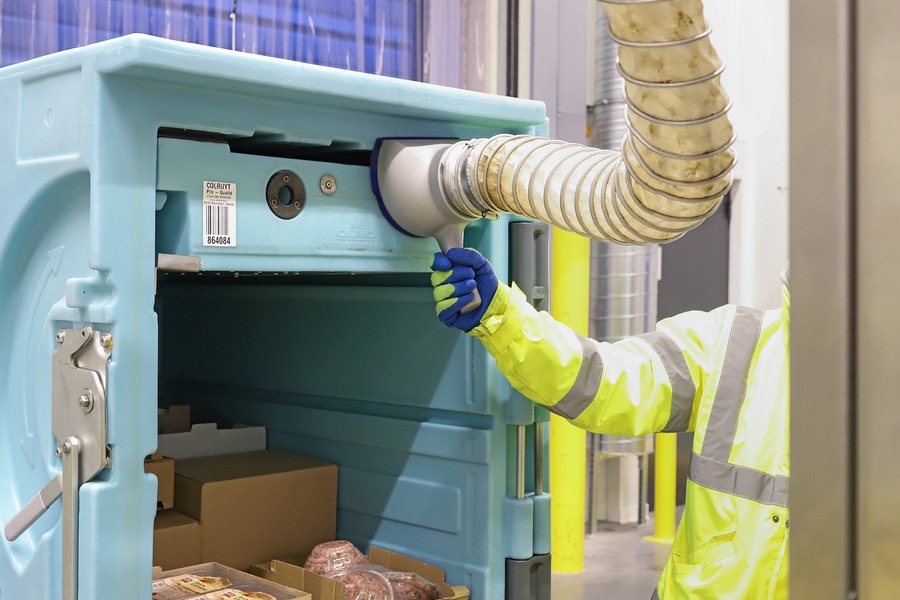
- Available in varied formats: roll-containers, bins, boxes, pallet-mounted, ergonomically designed—tailored to specific business needs.
Selection between methods depends on your product type, route length, accessibility, delivery frequency and temperature range required.
4. Major Challenges in Frozen Transport & How to Overcome Them
Frozen-goods logistics is strategic across sectors such as food-retail, catering, pharmaceuticals and healthcare. Effective management of the cold chain enables:
- Lower health risks due to compromised products.
- Reduced waste and fewer product losses.
- Stronger trust with customers thanks to transparent, traceable operations.
- Better environmental performance through fewer returns and less product destruction.
The keys to success:
- Formal compliance with standards (ATP, HACCP, national laws)
- High performance of insulation, cooling technology and traceability systems
- Operational agility to adapt to logistics constraints (urban access, multi-temp loads, temperature zones)
Whether using refrigerated trucks or insulated passive containers, every link in the transport chain must be fully optimised and monitored.