#Industry News
How to reduce cold chain logistics costs without compromising compliance : 6 actionable levers
Cost pressure in food distribution is relentless. Energy prices, staffing challenges, and tightening margins force transport managers and procurement teams to cut costs while maintaining regulatory compliance. Here are six concrete levers to achieve
1. Think Total Cost of Ownership, Not Purchase Price
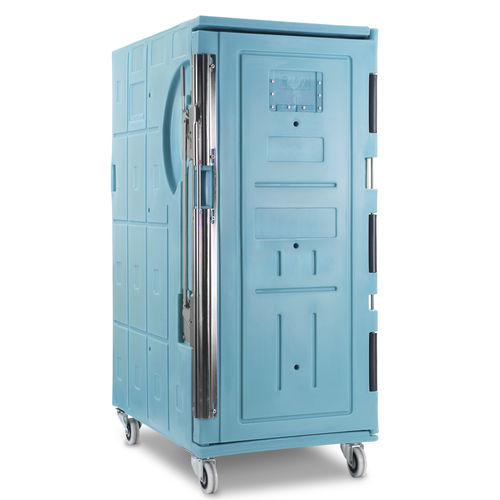
A low-cost insulated container may be 30% cheaper upfront — but if its lifespan is half that of a quality unit, its 10-year TCO will likely be higher. Factor in acquisition, energy, maintenance, ATP certification renewals, and end-of-life costs before comparing solutions.
2. Audit and Right-Size Your Equipment Fleet
Many operators run fleets built up incrementally, with no global view of utilization rates or compliance status. A structured fleet audit typically reveals both over- and under-equipment by temperature range — enabling fleet reduction while improving service levels. Equipment pooling across circuits is an underused lever that can generate significant savings.
3. Prioritize Passive Isothermal Solutions for Short and Medium Routes
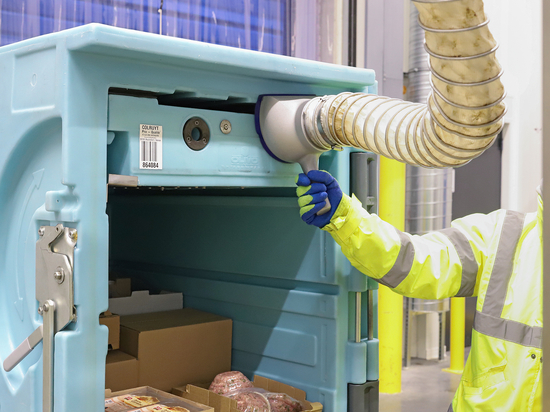
For delivery rounds under 8–10 hours, passive insulated containers charged with eutectic plates and loaded onto standard (non-refrigerated) vehicles can replace refrigerated trucks. The savings are substantial: lower vehicle purchase cost, no refrigeration unit maintenance, and 10–20% fuel reduction.
4. Optimize Eutectic Plate Management
Recharging costs can be reduced by scheduling off-peak electricity hours, optimizing cold room loading density, and calibrating the exact number of plates per container and route. Selecting the right plate specification for each circuit — neither oversized nor undersized — is an engineering decision that directly impacts both cost and performance.
5. Invest in Prevention to Avoid Non-Compliance Costs
A single documented temperature excursion on a fresh food delivery can trigger refused delivery, contractual penalties, and formal warnings — with repeated incidents leading to delisting. Continuous temperature monitoring systems reduce product losses, automate HACCP reporting, and identify underperforming equipment before incidents occur. The ROI is measurable.
6. Build a Partnership, Not Just a Supplier Relationship
The best-performing operators work with equipment suppliers as long-term partners: planned preventive maintenance contracts, certification renewal support, regulatory monitoring, and flexible rental options for seasonal peaks. Hybrid models, owning a base fleet and renting for peak demand — offer the best of both approaches.
Reducing cold chain logistics costs and strengthening compliance are not contradictory goals, they are complementary when approached systematically.