#Industry News
Innovative technologies in the production of recyclable textiles
Innovative technologies in the production of recyclable textiles
Textile recycling
Innovative technologies in the production of recyclable textiles
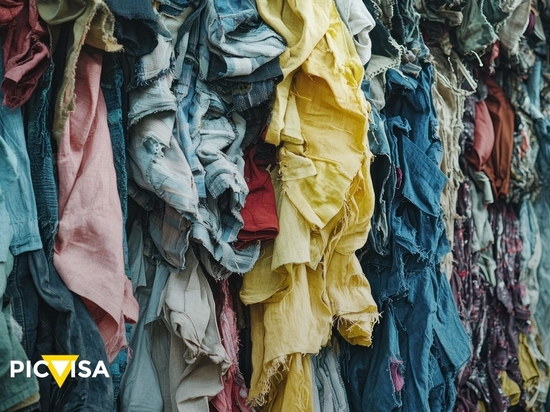
Every day, large amounts of damaged recyclable textiles and other materials are discarded worldwide, contributing to pollution either because of their long decomposition time or because they release harmful chemicals. This waste stream includes pre-consumer textile waste —factory offcuts and defective products— and post-consumer waste: clothing, home textiles, footwear, bags, fabric toys, upholstery fabrics, advertising materials and industrial technical textiles. It is a growing flow of waste that requires new clothing recycling strategies, responsible clothes disposal practices and better management in every textile recycling facility.
Textile fibre production has nearly doubled globally. According to the European Environment Agency, it will reach 145 million tonnes by 2030. The problem is that when clothes are damaged, outdated or no longer fit, they end up discarded. There is an urgent need to boost the production of recyclable textiles and reduce their environmental impact. Creating high-quality textile products would help, although the challenge of reducing their recycling needs remains.
As we move forward, we should prioritise reusing textiles —giving them a second life— and recycle old clothes through appropriate systems. Both strategies support the transition to a circular economy and rely on technologies designed to promote a zero-waste future.
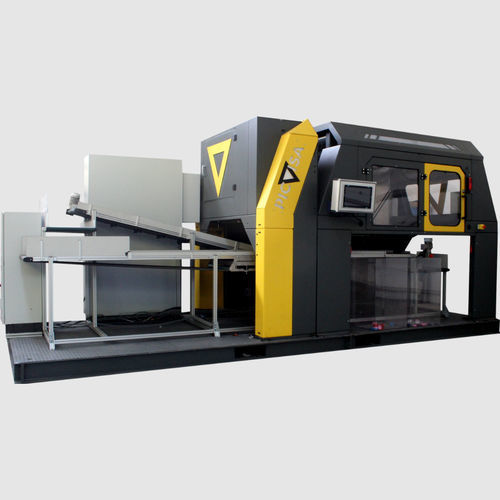
For textile reuse, platforms like Wallapop and Vinted are useful. For recycling, manufacturers and both private and public organisations —which often provide textile recycling bins and clothes recycling bins— rely on PICVISA’s innovative solutions. After integrating them into their textile recycling facility, they ensure higher process efficiency.
What are recyclable textiles?
Natural fibres such as cotton, linen and wool are recyclable textiles, and recycling polyester textile materials is also possible. Examples include recycled polyester (rPET) —obtained from plastic bottles or old polyester garments— nylon and acrylic.
Textiles made from blends of natural and synthetic fibres are more difficult to recycle. Two processes support the transformation of recyclable textiles:
Mechanical recycling, which shreds fabrics into fibres used to produce new yarns.
Chemical recycling, which breaks fibres down into their basic components (such as polymers in synthetics) so they can be used to create new materials.
The importance of textile recycling
The expansion of the textile and garment industry and fast fashion have led to a rapid global increase of textile waste in the municipal solid waste (MSW) stream, according to a study published in MDPI. Its authors point out that 75% of textile waste is landfilled, while 25% is recycled or reused. And they add: “the textile industry is responsible for approximately 10% of all global carbon emissions each year, making it the fifth largest emitter of greenhouse gases”.
Producing clothing using recyclable textiles, investing in clothing recycling, and ensuring garments have a second life instead of ending up in clothes disposal streams is crucial —especially considering the growing presence of textile waste in landfills in Africa and Latin America.
Our wardrobes can be recycled, but how to recycle clothing effectively? Taking garments to textile recycling centers, a clothing recycling drop-off, or a clothing recycling company donation bin helps conserve natural resources such as water and energy. Producing a single cotton T-shirt can require up to 2,700 litres of water. When fewer new fibres are produced, soil, water and air pollution decreases. Producing fabrics from recycled fibres also requires fewer chemicals compared with manufacturing new ones.
Depositing old garments in clothes recycling bins not only reduces pressure on landfills —it also creates employment and supports sustainability in the fashion sector. Turning waste into raw materials helps shift from a linear to a circular economy —a more sustainable economic model.
Not all fashion companies offer a genuine textile recycling program. Some dedicate more resources to appearing environmentally friendly than to implementing meaningful change. This practice is known as greenwashing.
Innovative technologies transforming textile recycling
Textile and clothing recycling processes are increasingly incorporating cutting-edge technologies to turn old garments into high-quality materials. Many companies that recycle clothes operate their own textile recycling program or offer a clothing recycling drop-off point. But how do you recycle clothes effectively? And even further: how to recycle textiles of different compositions?
Beyond mechanical and chemical recycling —which break fibres down at the molecular level— several disruptive technologies are reshaping the sector:
Machine vision
It uses cameras and algorithms to identify and classify textiles by type, color and pattern, automatically and efficiently.
Near infrared spectroscopy (NIRS)
Identifies the chemical composition of the fibers, allowing more accurate sorting for recycling.
Automated systems
Machines are available to separate components, such as shoe soles, and to remove hard elements from clothing.
Hydrothermal processes
Japan already uses water and heat to separate blends of fibers such as cotton and polyester, obtaining high quality recycled fibers without secondary contamination.
Blockchain
It ensures traceability and transparency in the recycling chain, ensuring compliance with sustainability criteria.
How Consumers Can Support the Circular Textile Economy
Building an efficient system for clothing recycling requires collaboration between textile companies, governments, researchers, collectors and textile recycling centers. Citizens are increasingly aware of the issue and willing to contribute.
Besides bringing old garments to textile recycling bins or clothing recycling drop-off points, many people engage in upcycling: creatively transforming old garments into new, higher-value products —a business model adopted by many companies.
The future of recyclable textiles
It is essential to establish clear logistics standards for textile collection and sorting, along with regional storage centres. These structures are needed to improve efficiency across all processes related to recyclable textiles.
Researchers continue to work on advancing chemical recycling by exploring the use of specific enzymes to depolymerise polyester and the development of green solvents. As processes evolve, at PICVISA we maintain a clear vision: every textile item we recycle becomes a thread woven toward a cleaner, more conscious future.