#Industry News
What Are the Applications of Infrared Thermal Imagers in Civilian Fields?
Solving Real-World Challenges: The Expanding Civilian Applications of Thermal Imaging Technology
In the past, infrared thermal imaging equipment was primarily used in advanced fields such as aerospace remote sensing, scientific research, and long-distance target tracking. However, with continuous technological advancements and decreasing costs, infrared thermal imagers have gradually entered frontline industrial applications, security monitoring, health screening, and other civilian markets.
1.Building Energy Efficiency and Hidden Hazard Detection
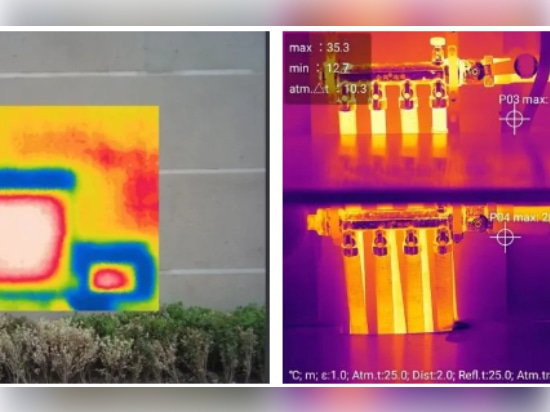
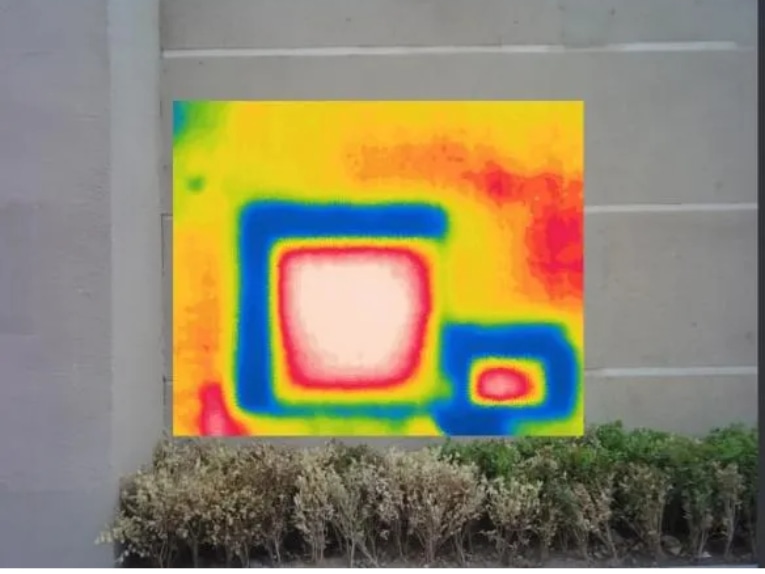
Issues such as damaged insulation layers, HVAC malfunctions, and poorly sealed doors and windows in building structures often cause significant indoor heat loss that is difficult to detect with the naked eye. Infrared thermal imaging technology can accurately identify thermal bridges, air leaks, and other weak points in energy efficiency.
By visually displaying the temperature distribution on building surfaces in a non-contact manner, thermal imaging not only improves the efficiency of energy-saving renovations but also effectively detects structural hazards such as water leakage, pipe blockages, and wall delamination. This technology is widely used in real estate inspections, home renovations, and green building assessments.
2.Electrical Equipment Safety Inspection
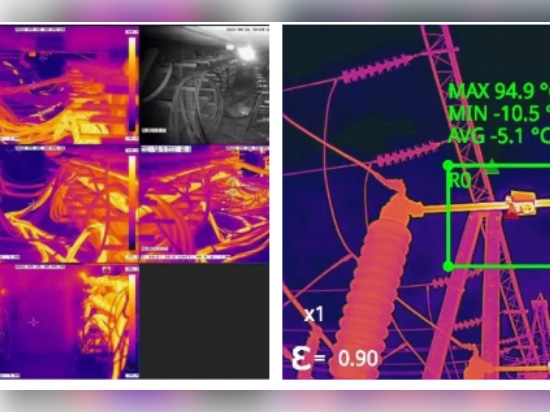
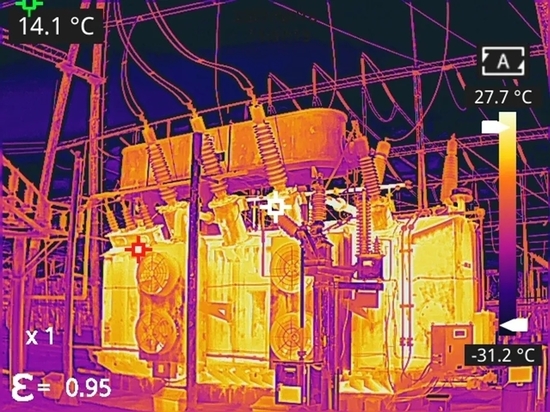
Poor cable connections and abnormal electrical loads often cause abnormal temperature changes. Infrared thermal imaging can quickly identify hotspots at connections, overloaded wires, and aging switchgear without physical contact or power shutdown. Compared to traditional point inspections, infrared detection offers significant advantages such as long-distance, non-contact, and real-time visual monitoring. This improves inspection efficiency and safety while helping to prevent fire hazards and power outages caused by electrical faults.
3.Firefighting and Emergency Rescue
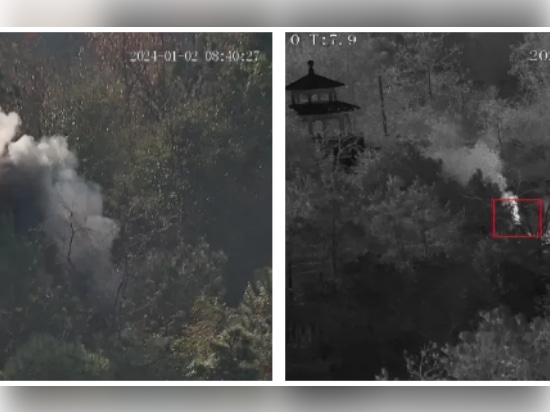
Fire scenes are often accompanied by high temperatures and dense smoke, which severely hinder personnel search and fire source localization. Infrared thermal imagers can penetrate thick smoke and darkness to accurately identify high-temperature zones and locate trapped individuals. This technology is widely used in urban firefighting, forest fire prevention, and emergency response by rescue teams.
Infrared images provide real-time feedback on heat distribution at the scene, helping firefighters make informed decisions and respond quickly. This significantly improves rescue efficiency and operational safety.
4.Perimeter Security Protection
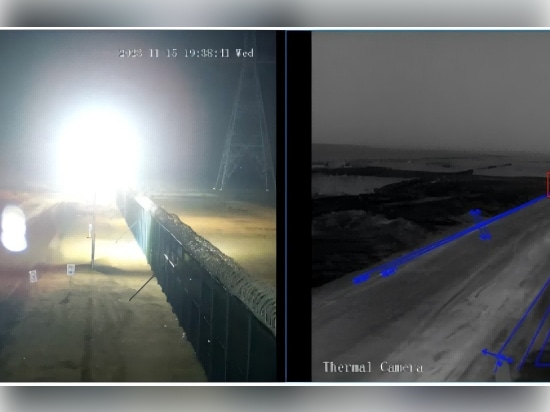
In critical areas such as factory premises, airports, railway lines, and border zones, traditional video surveillance often faces challenges like no light at night, fog, rain, and vegetation obstruction. These factors can make target identification difficult and delay alarms.
Infrared thermal imaging technology captures the heat radiation emitted by intruders—whether humans or vehicles—enabling continuous, long-distance, non-contact monitoring day and night. Even in darkness or complex terrain, thermal imaging provides clear visuals and accurately identifies abnormal heat sources.
When combined with intelligent analysis systems, infrared perimeter monitoring can automatically detect intrusion behaviors and trigger linked alarms. This significantly reduces false alarms and enhances overall security efficiency, making it a crucial technology for building smart, proactive perimeter defense systems.
5.Medical and Health Monitoring
In the medical and health monitoring field, many diseases in their early stages are accompanied by abnormal surface temperature changes, such as inflammation, blood circulation disorders, and localized tissue damage. Traditional thermometers or visual inspection methods often fail to provide a comprehensive view of the body’s condition.
Infrared thermal imaging technology enables non-contact, real-time acquisition of the human body’s surface temperature distribution, allowing intuitive detection of abnormal temperature zones. This effectively assists doctors in preliminary screening and clinical diagnosis.
Especially in large-scale temperature screenings, chronic disease rehabilitation, and sports injury assessment, infrared thermal imagers offer advantages such as radiation-free operation, rapid response, and no physical contact. These benefits not only improve detection efficiency but also reduce the risk of cross-infection.