#Product Trends
What Is the Service Life of an Intelligent Screwdriver?
intelligent screwdriver, smart screwdriver, electric screwdriver with torque control
In precision industries such as automotive assembly and new-energy component manufacturing, the service life of an intelligent screwdriver is a key purchasing criterion—it directly affects capital expenditure and production-line stability.
Many users ask, “How many years can an intelligent screwdriver last?”
There is no single answer; lifetime is governed by two core metrics, and the gap between products can be huge.
1. Mean Cycles Between Failure (MCBF) – determined by wear parts
Wear parts: bit, transmission bearings, etc.
Ordinary drivers: MCBF ≈ 300k–500k cycles.
At 10k cycles/day, failures start after 3–5 months, forcing downtime for part replacement.
Danikor drivers: upgraded materials & design lift MCBF to 1 million cycles.
Under the same daily load, maintenance-free operation stretches to 8–10 months, cutting scheduled downtime.
2. Lifetime of core components – motor, gearbox, controller
These three decide how many years the tool can stay in service.
Ordinary drivers: typically use brushed motors.
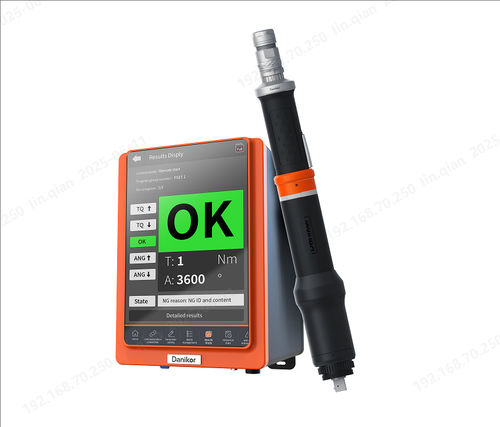
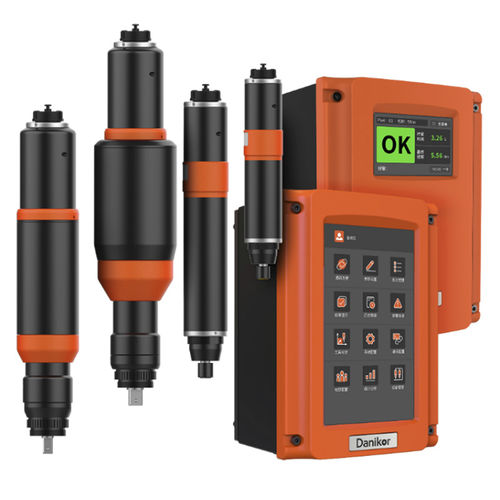
Danikor drivers: use high-performance brushless motors and hardened gear-trains.
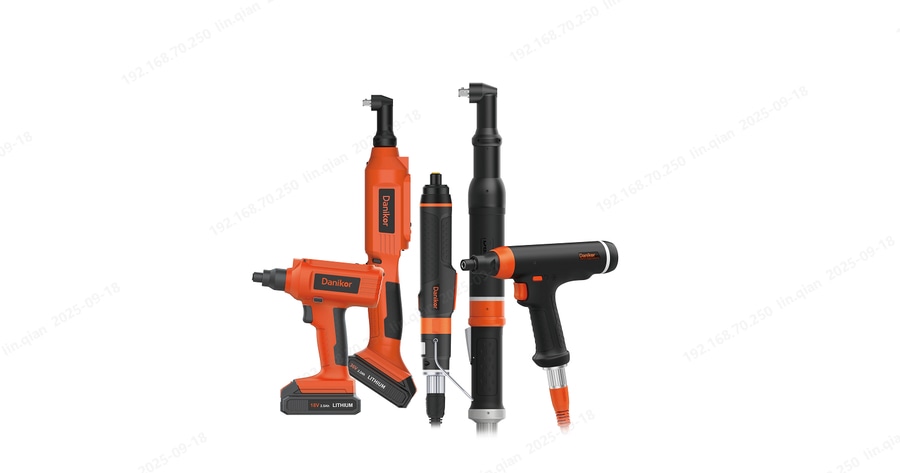
Machine-mounted models: designed for ≥ 20 million cycles → ≈ 5.5 years at 10k cycles/day.
Hand-held & transducer models: ≥ 10 million cycles → ≈ 3 years under the same load, far exceeding conventional electric screwdrivers.
3. Maintenance & operating conditions matter
Regular cleaning of core modules, timely replacement of worn bits/bearings, and correct operating procedures can extend life even further.
In high-duty applications (e.g., NEV gearbox lines), choosing a high-durability driver like Danikor not only lowers replacement cost but also prevents age-related quality issues, giving the plant long-term, stable production.