#Product Trends
Automatic Screw Fastening Equipment: Solving Assembly Pain Points and Achieving Efficient Tightening
automatic screwdriving system, electric torque screwdriver, robotic screwdriving systems
In the fields of new energy vehicles, 3C electronics, smart home appliances, and more, screw fastening is a core assembly process. Traditional manual screw driving suffers from low efficiency and unstable quality, while ordinary automation equipment often encounters problems such as screw jamming, false seating (floating screws), and positioning deviation. Danikor's automatic screw fastening equipment, leveraging mature technological approaches, solves these industry pain points, achieves fast and accurate screw tightening, and becomes the preferred choice for assembly upgrades in the manufacturing industry.
I. Core Industry Pain Points: Restricting Assembly Efficiency and Quality
Currently, in the screw assembly process, enterprises commonly face multiple challenges:
Unstable feeding and frequent screw jamming: Disordered screw feeding easily leads to stacking and incorrect orientation. Especially for screws with rubber washers or micro screws, jamming often occurs during the splitting/distribution process, causing frequent production line stoppages and impacting cycle times.
Poor fastening accuracy and high defect rate: Manual tightening has uneven force, easily leading to over-tightening/thread stripping or under-tightening/false seating. Ordinary equipment has inaccurate positioning and large torque deviation, making it difficult to meet the requirements of high-end products.
Imbalance between efficiency and cost: The daily output capacity per manual worker is limited, and they are prone to fatigue and errors. Low-end automation equipment lacks stability, has high maintenance costs, and slow after-sales response, affecting production schedules.
Difficult data traceability: Traditional methods cannot record tightening data. When quality problems occur, it is difficult to trace the root cause, failing to meet the quality management needs of modern manufacturing.
II. Working Principle of Automatic Screw Fastening Equipment: The Entire Process of Efficient Tightening
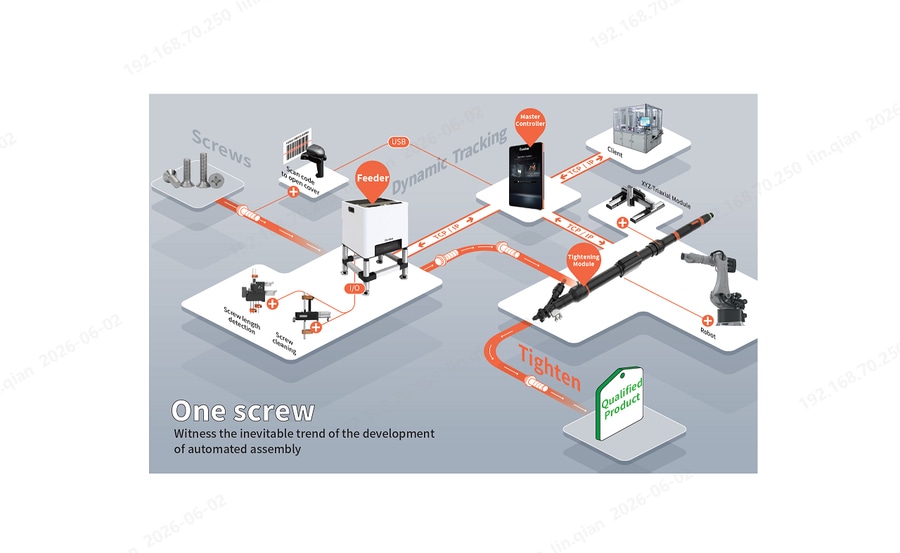
The reason automatic screw fastening equipment can tighten screws quickly and accurately lies in the coordinated operation of three core links: feeding, positioning, and tightening.
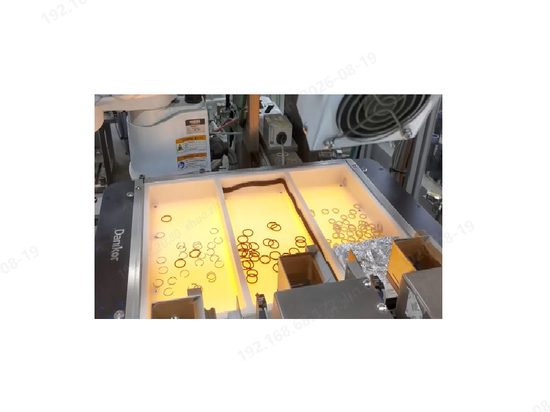
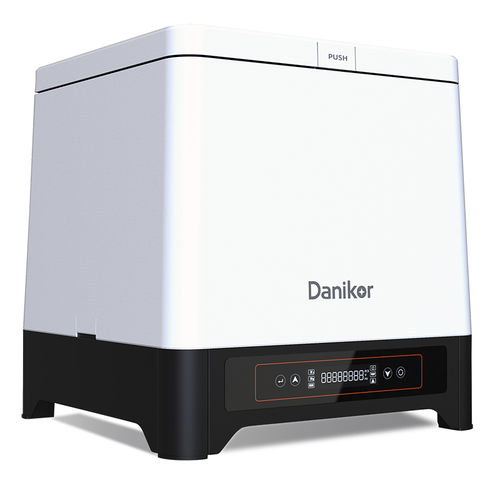
Orderly Feeding, Stable Screw Delivery: The feeder arranges disordered screws in an orderly manner (e.g., via vibration or a turntable) and transports them to the straight vibration rail. Danikor's automatic screw feeders achieve clean screw feeding and long/short screw detection, significantly reducing the jamming rate.
The Step Feeder features a structural design that reduces the risk of jamming, achieving a jamming rate as low as 50 PPM, ensuring smooth screw delivery and greatly improving production efficiency.
For the Vibratory Bowl Feeder, the jamming rate for standard screws is less than 0.02% (2/10,000), and for screws with spring and flat washers, it is less than 0.05% (5/10,000).
The Disc Feeder, with its patented design, achieves a 0% jamming rate.
Precise Screw Distribution, Fast Conveyance: The screw is accurately conveyed to the modular screwdriver bit, often using air blowing, avoiding collision damage and ensuring continuous and stable screw delivery.
Intelligent Positioning, Accurate Alignment: The equipment accurately locates the screw hole. It features high repeat positioning accuracy, adapts to products of various specifications, and requires no frequent debugging.
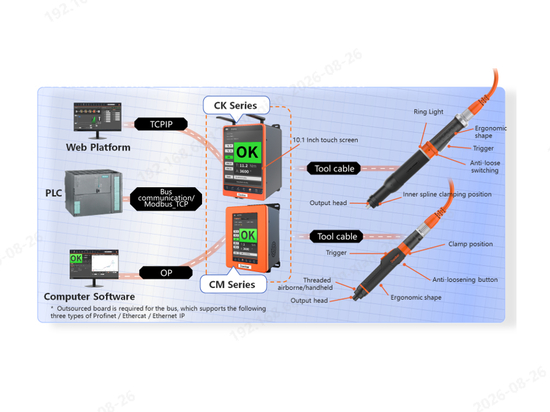
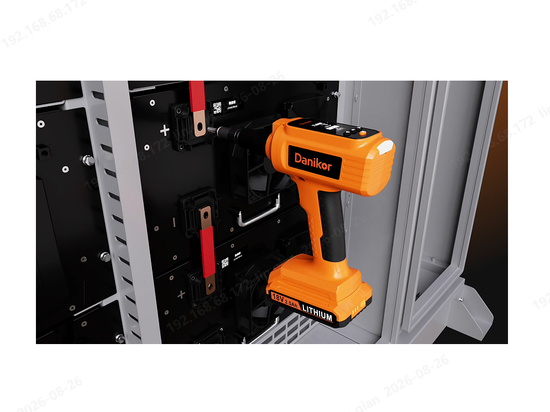
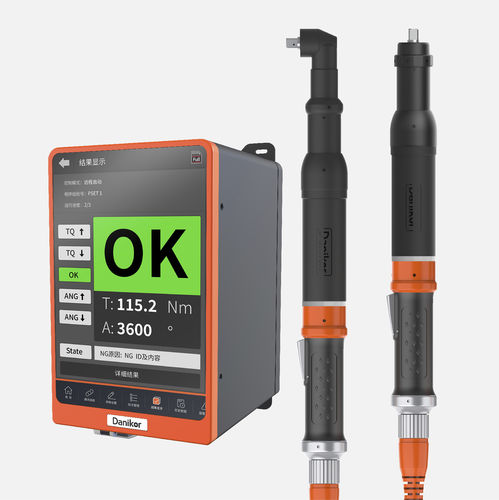
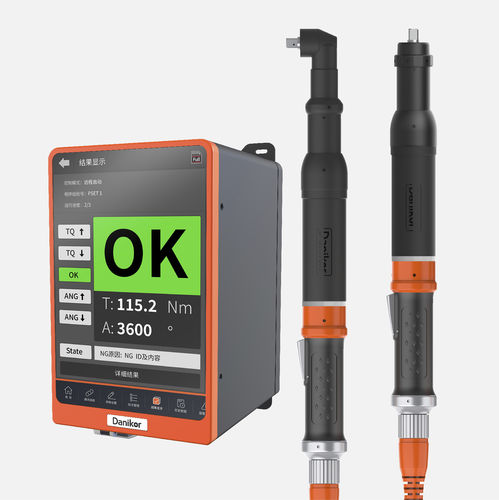
Controlled Tightening, Precise Stopping: The module drives the tightening tool to perform the fastening. Built-in sensors monitor torque in real-time, automatically stopping the tool once the target torque is reached, thereby avoiding thread stripping and false seating. Danikor's sensor-based tightening tools achieve a torque accuracy of 6σ ±5% and are suitable for special applications such as self-tapping screws in plastic parts or screws with rubber washers.
Cyclic Operation, Data Traceability: The entire set of actions repeats in a cycle. Tightening data is recorded in real-time and synchronized to the MES system, supporting data traceability and analysis, thereby aiding quality control.
III. Danikor: Targeted Solutions to Pain Points, Enhancing Assembly Value
Facing industry pain points, Danikor's automatic screw fastening equipment offers comprehensive solutions.
On the feeding side: Patented structural designs adapt to many screw types. Clean feeding and long/short screw detection ensure feed stability.
On the positioning and tightening side: High repeat positioning accuracy combined with stable torque control lowers the defect rate significantly, solving the problems of false seating and thread stripping.
On the maintenance and after-sales side: The equipment features a modular design, accurate fault diagnosis, convenient maintenance, and efficient after-sales response, reducing losses from downtime.
Furthermore, the equipment supports the combination of multiple machine models, adapting to different production capacity requirements, balancing efficiency and cost, and helping enterprises achieve assembly automation upgrades.
In the wave of intelligent transformation in the manufacturing industry, the automatic screw fastening machine is key to improving assembly efficiency and quality. Danikor focuses closely on industry pain points, leveraging its core advantages of stable feeding, precise positioning, controlled tightening, and data traceability to make screw tightening both fast and accurate. It provides reliable assembly solutions for industries such as 3C electronics, new energy vehicles, and home appliances, driving high-quality industrial development.