#Industry News
Various schemes and effect analysis of nanomaterial dispersion in liquids
Different methods of emulsifying nanomaterials
There are several methods to achieve dispersion of nanomaterials in liquid systems:
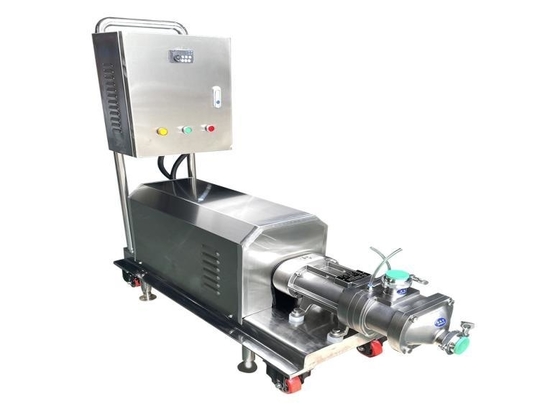
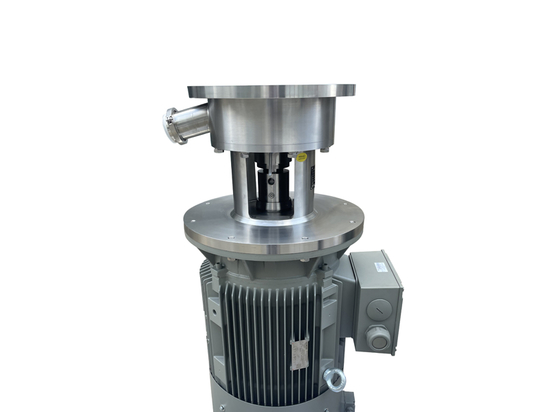
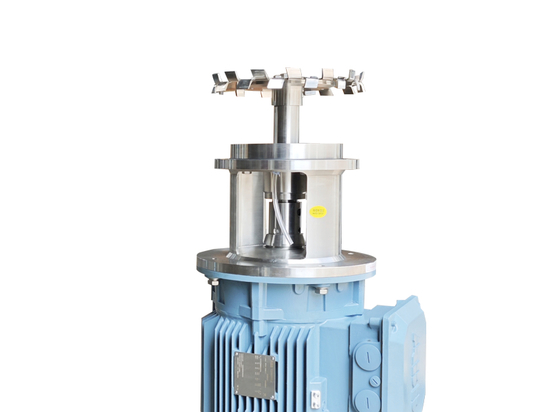
High shear disperser dispersion method
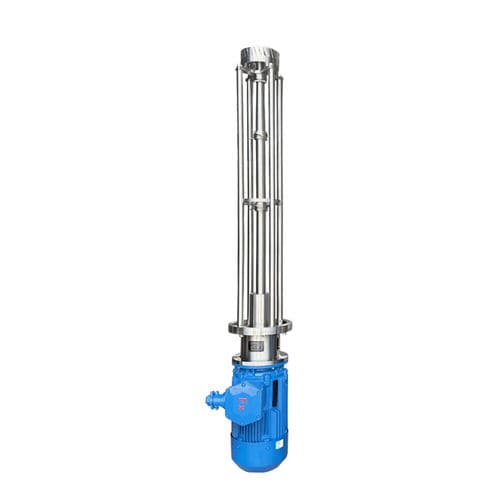
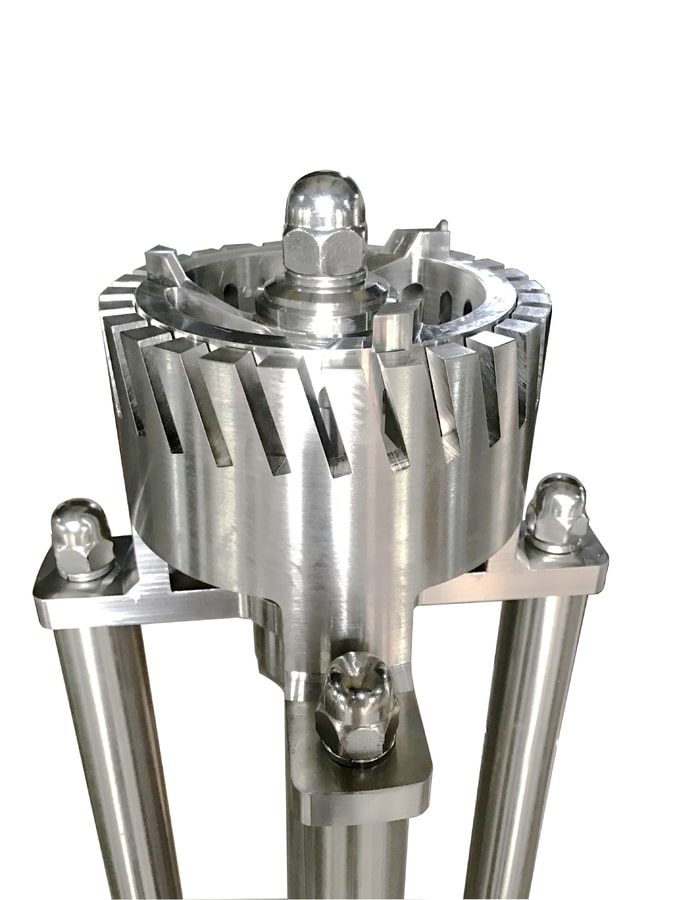
The core component of this equipment is the stator/rotor structure. The high-speed rotation of the rotor produces high tangential speed and high-frequency mechanical effect, bringing strong kinetic energy. In the narrow gap between the stator and the rotor, the material is subjected to the combined effects of strong mechanical shear, hydraulic shear, centrifugal extrusion, liquid layer friction, impact tearing and turbulence. Under the corresponding mature process conditions, the immiscible solid phase, liquid phase and gas phase are instantly dispersed evenly and finely. After high-frequency reciprocating cycles, a stable high-quality product is finally obtained. Compared with three-roll mills, ball mills and sand mills, high-shear dispersers have significant advantages such as high efficiency and low energy consumption, and are the first choice for dispersion processes.
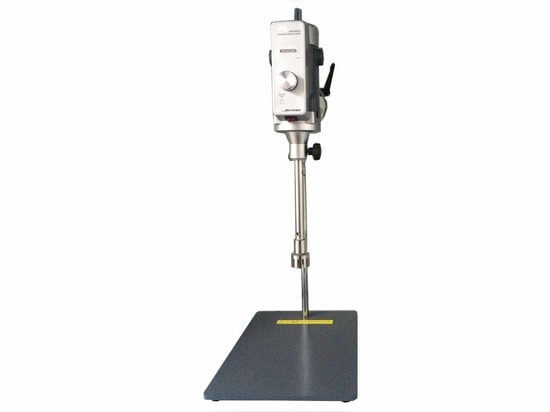
Laboratory batch dispersing emulsifier dispersion method
It is suitable for dispersing and emulsifying materials with small output. It has a high speed of about 10,000-30,000 rpm, and the rotor-stator dispersing head is relatively precise, which makes it easy to form a stable uniform phase. However, when the laboratory batch emulsifier is scaled up to industrial production, the effect is not good, and the process explored in the laboratory cannot be directly applied to industrial production.