#Product Trends
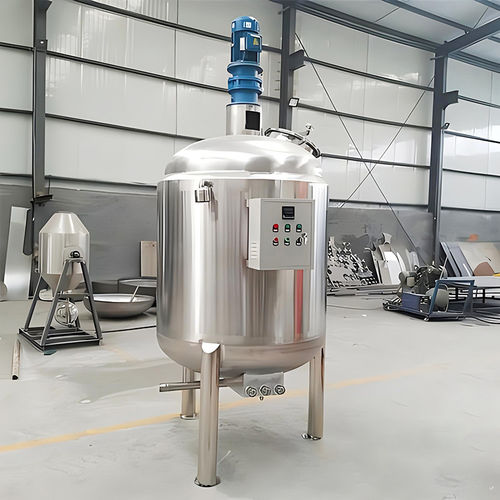
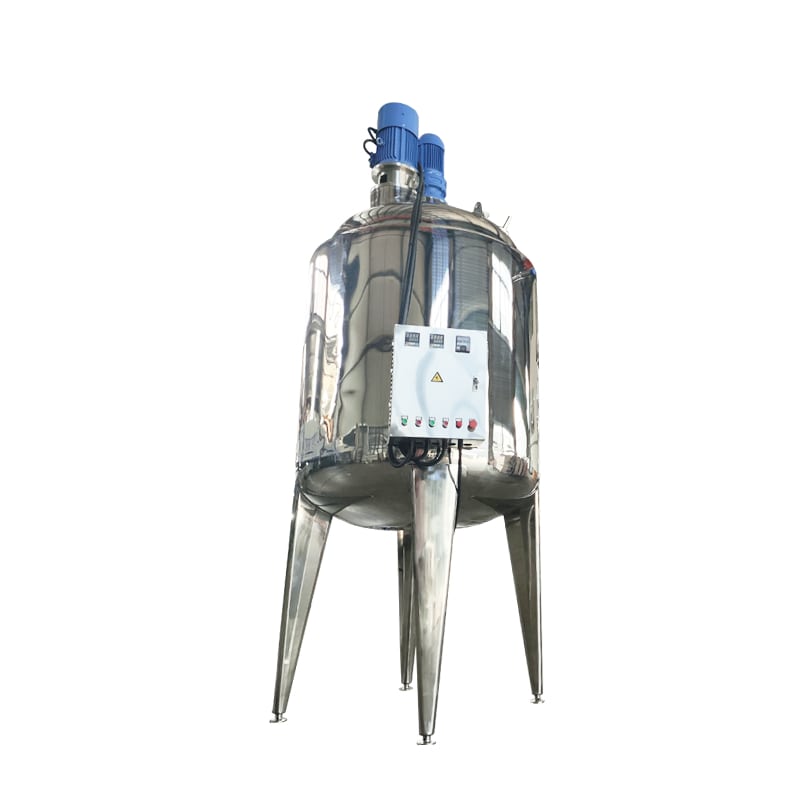
how to use mixing tank
Do you know the usage and types of mixing tanks? Now let's discuss it
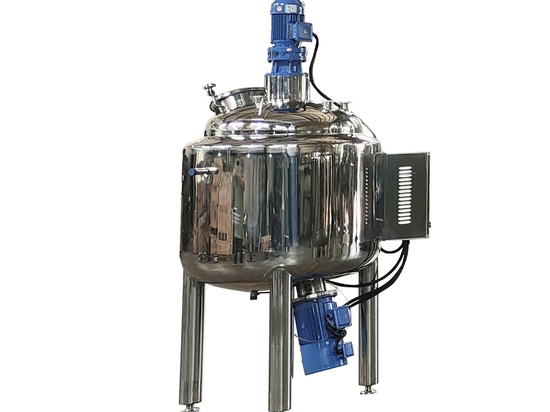
The configuration of emulsifying tanks can vary greatly depending on the production process, the characteristics of the product and the level of automation required.
So, selecting the correct configuration is essential for ensuring product quality, maximising production efficiency and controlling costs.
I. Core Emulsification System (Power Section)
This is the "heart" of the emulsifying tank, determining the efficiency and effect of emulsification.
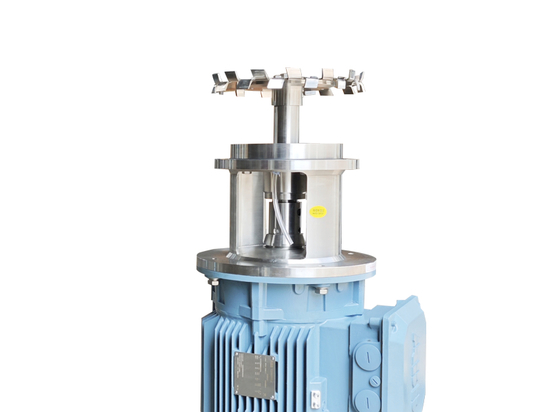
2. Main stirrer (slow stirring
Forms: anchor type, frame type, paddle type, etc.
Function: To generate macroscopic flow of materials inside the tank, achieve initial mixing, and transport the materials to the vicinity of the high-speed emulsifying head to prevent powder from settling at the bottom.
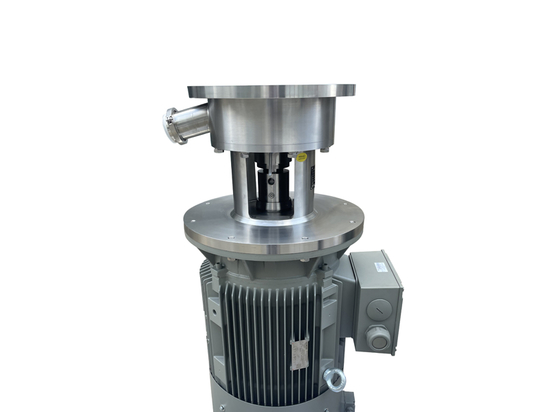
3. High-speed homogenizer (emulsifying head
Core configuration is selected based on the viscosity of the material and the processing capacity.
Form
Homogenizing head inside the reactor: The most common type, it is directly installed at the bottom or side of the tank.
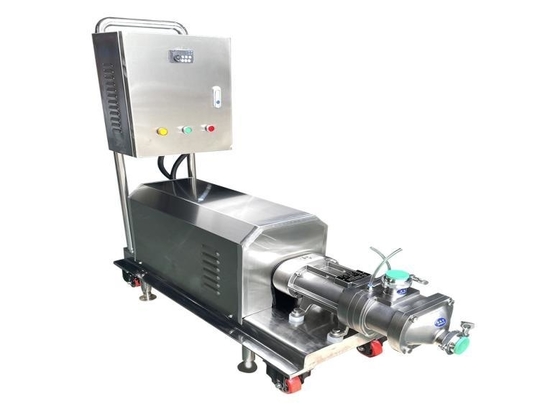
External homogenizing pump: Connected through pipelines, the material is extracted, sheared at high speed inside the pump and then pumped back into the tank. The advantages are circulating emulsification, no dead corners, good heat dissipation, and online cleaning ability, making it suitable for high-viscosity or large-scale production.
Rotational speed and power: Select based on the particle size requirements (fineness) and viscosity of the material.
4. Vacuum degassing system
Function: During the emulsification process, it evacuates air to remove air bubbles from the material, preventing oxidation and deterioration of the product, and enhancing the density and gloss of the product.
Configuration: Vacuum pump, vacuum gauge, sealing device.
5.Wall scraping system
Function: For high-viscosity materials (such as creams and sauces), the wall-scraping blades can rotate closely against the tank wall, constantly scraping off the adhered materials to ensure uniform heat transfer (preventing local overheating or coking) and even mixing.
Commonly seen in the production of cosmetics, toothpaste and food sauces